Mezuzot, serpientes de cobre y otros ídolos

¿Besar un objeto puede ser un acto de idolatría?

En 2006 abrí una tienda de masajes en el centro de California donde brindaba terapia de masajes y vendía hierbas para personas con problemas de salud. En ese momento asistía a una sinagoga judía conservadora dirigida por la comunidad. La mujer cuyo esposo había comprado la sinagoga era psicóloga matrimonial y familiar, líder en la sinagoga y vendía artículos judíos en el vestíbulo de su clínica. Ella me animó a comprar una mezuzá para la puerta principal de mi nueva oficina para que mi negocio prosperara. En ese momento solo pensé en el mandamiento de escribir la Torá en los marcos de nuestras puertas y pensé que era una buena idea. Compré el estuche pequeño y el rollo kosher que iba dentro, gasté alrededor de $100 en el juego y seguí su consejo de invitar a la comunidad judía a venir e instalar la mezuzá una noche. Ofrecí vino kosher y galletas y felizmente entretuve a 9 o 10 invitados judíos que hicieron los honores de decir las bendiciones apropiadas y clavar la mezuzá en el poste de la puerta de la manera correcta. Mientras todos salían de la oficina, todos se detuvieron para besar la nueva mezuzá y desearme Mazal Tov. Este artículo ahora se había convertido en parte de mi experiencia en la oficina y servía como testimonio para el vecindario de que había judíos en las inmediaciones.

Entonces, después de esto, cada vez que veía una mezuzá en el marco de una puerta, me detenía, la tocaba, me besaba la mano y sentía que había cumplido con mi deber. Pero, ¿realmente estaba cumpliendo con mi deber en honor a la mezuzá en lugar de hacer lo que exige la Torá? ¿Y la Torá dice algo acerca de dar reverencia a un objeto? ¿Cuál es el propósito de la mezuzá de todos modos? Obviamente ni siquiera es necesario tener una caja física con las palabras del Shemá escritas dentro si reconoces lo que dice la Torá. (¡Y curiosamente, las palabras están ocultas a la vista en la mayoría de las mezuzot!) Las palabras de la Torá son lo que se debe obedecer y escribirlas en el marco de la puerta como un recordatorio es lo que se ordena, no comprar una mezuzá y besarla cada vez que pasa una persona. ¡a través de la puerta! ¡No se trata de una caja y su contenido es lo que se ordena!

Recientemente me caí y me rompí la pierna al pisar una tapa de alcantarilla suelta en el estacionamiento debajo del apartamento en Bat Yam. Cuando regresé del hospital, un par de amigos me preguntaron si había revisado la mezuzá en mi apartamento. Me habría sorprendido si no me hubiera topado con esta sugerencia antes. ¡Por supuesto que me molestó que una letra descolorida o una rasgadura en el pergamino dentro de la cajita pudiera causar que una persona sufriera un accidente grave! ¡Me parece brujería!

Mi vecina, a quien quiero mucho, se había caído y se torció el brazo esa misma semana, por lo que no pudo trabajar y culpó a su mezuzá del accidente. Desde su punto de vista, definitivamente había verdad en la creencia de que la mezuzá tiene poder y que la de ella era defectuosa o no se habría caído. Ella me dijo lo mismo. Compró uno nuevo, muy bonito y muy caro y reemplazó el viejo. ¿Por qué le damos poder a un objeto para que nos bendiga o nos maldiga? ¿Hay realmente algún objeto “sagrado” en nuestro mundo que tenga poder para hacer esto? ¡La Torá advierte sobre dar poder a los objetos, y besar un objeto es una forma de adoración!

¿Hay algo en una mezuzá que brinde éxito o protección? Mira lo que dice la Torá:

Deut. 11:18-23: “Fijen estas palabras mías en sus corazones y mentes; átenlos como símbolos en sus manos y átenlos en sus frentes. Enséñalas a tus hijos, hablando de ellas cuando te sientes en casa y cuando camines por el camino, cuando te acuestes y cuando te levantes. Escríbelas en los marcos de tus casas y en tus puertas, para que sean muchos tus días y los días de tus hijos en la tierra que YHVH juró dar a tus antepasados, tantos como los días que hay los cielos sobre la tierra. Si observas cuidadosamente todos estos mandamientos que te doy para que los cumplas, que ames a YHVH tu Dios, que andes en obediencia a él y que te aferres a él, entonces YHVH echará de delante de ti a todas estas naciones, y tú desposeerás a naciones más grandes. y más fuerte que tú.

Deut. 6:1-9: “Estos son los mandamientos, decretos y leyes que YHVH tu Dios me ha mandado que te enseñe a observar en la tierra por la cual pasas el Jordán para poseerla, para que tú, tus hijos y los hijos de ellos después de ellos, teman YHVH tu Dios mientras vivas guardando todos sus decretos y mandamientos que yo te doy, y para que disfrutes de larga vida. Escucha, Israel, y ten cuidado de obedecer para que te vaya bien y crezcas mucho en una tierra que mana leche y miel, tal como YHVH, el Dios de tus padres, te lo prometió. Oye, Israel: YHVH nuestro Dios, YHVH uno es. Ama a YHVH tu Dios con todo tu corazón y con toda tu alma y con todas tus fuerzas. Estos mandamientos que os doy hoy deben estar sobre vuestros corazones. Impresiónalos en tus hijos. Habla de ellos cuando te sientes en casa y cuando camines por el camino, cuando te acuestes y cuando te levantes. Átelos como símbolos en sus manos y átelos en sus frentes. Escríbelas en los marcos de las puertas de tus casas y en tus puertas.
¡Las promesas de protección y provisión de HaShem se cumplen por medio de la obediencia y no por la compra de una Mezuzah o Hamsa o Amuleto de cualquier tipo!
No estoy seguro de cómo abordar a mi amiga de al lado sobre la idolatría involucrada y supongo que está más allá de mi alcance enseñarle algo o incluso hacer que piense al respecto, sin embargo, para aquellos que no han sido adoctrinados de esta manera, yo Creo que debemos reexaminar qué es la idolatría y cómo se ha infiltrado en el judaísmo y otras religiones.
Cuando los cristianos peregrinan al Vaticano o Jerusalén, se inclinan y besan sus objetos sagrados, ya sea la cruz, el rosario, el dedo del pie de San Pedro o cualquier cosa relacionada con las tumbas de los santos. Como judíos, ¿por qué haríamos lo mismo? (Y sí, los judíos besan las tumbas de sus sabios, ¡lo cual también es un no, no!)
¿Y por qué estamos besando el rollo de la Torá? Si bien es cierto que contiene la voluntad escrita del Dios Altísimo y Todopoderoso, el objeto en sí no debe ser adorado. ¡La Torá debe ser obedecida, no presentada como una manifestación física de YHVH!
La Torá habla de la idolatría de una manera muy sencilla:
Éxodo 20: 4-6: “No te harás imagen de nada que esté arriba en el cielo, ni abajo en la tierra, ni abajo en las aguas. No te inclinarás ante ellas ni las adorarás; porque yo, YHVH tu Dios, soy un Dios celoso, que castigo los hijos por el pecado de los padres hasta la tercera y cuarta generación de los que me aborrecen, pero que muestro amor a mil generaciones de los que me aman y guardan mis mandamientos. ”
Aquí hay un ejemplo en el Tanakh donde Israel convirtió algo bueno en un ídolo y luego fue destruido por el justo rey Ezequías:
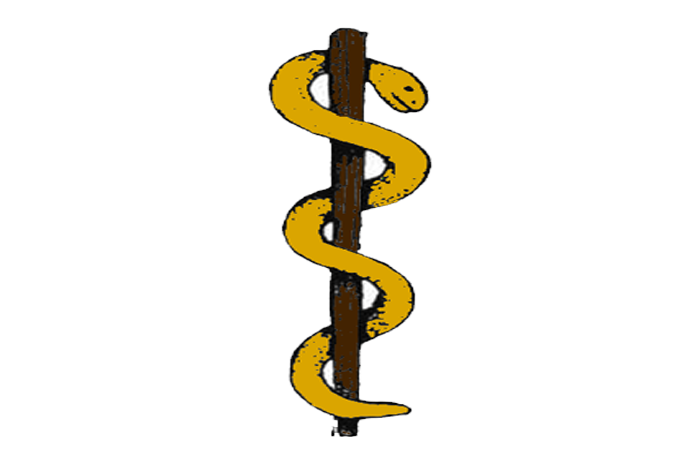
2 Reyes 18:-34: “Él hizo lo recto ante los ojos de YHVH, tal como lo había hecho su padre David. Quitó los lugares altos, destrozó las piedras sagradas y cortó los postes de Asera. Rompió en pedazos la serpiente de bronce que Moisés había hecho, porque hasta ese momento los israelitas le habían quemado incienso”.
¡Así que hablar de boquilla, inclinarse y besar objetos que fueron dados como recordatorios de los mandamientos destruye el propósito de ese objeto y crea un ídolo!

¡Suyo en la búsqueda de la Verdad en la Torá!
Ariella Tiqvah

Mezuzot, Bronze Serpents and other Idols

Can kissing an object be an act of idolatry?

In 2006 I opened a massage shop in Central California where I gave massage therapy and sold herbs for people with health problems. At the time I attended a Conservative Jewish Synagogue that was community led. The woman whose husband had purchased the synagogue was a marriage and family psychologist, leader in the synagogue and sold Jewish items in the lobby of her clinic. She encouraged me to purchase a mezuzah for the front door of my new office so that my business would prosper. At the time I thought only of the commandment to write the Torah on our doorposts and thought it was a good idea. I bought the little case and the kosher scroll that went inside it, spent around $100 for the set and followed her advice to invite the Jewish community to come and install the mezuzah one evening. I provided Kosher wine and cookies and happily entertained 9 or 10 Jewish guests who did the honors of saying the appropriate blessings and nailing the mezuzah to the door post in the correct manner. As everyone made there way out of the office all stopped to kiss the new mezuzah and wish me Mazal Tov. This item had now become part of my office experience and served as a testimony to the neighborhood that there were Jews in the vicinity.

So after this, whenever I noticed a mezuzah on a doorpost, I would stop, touch it and kiss my hand and feel I had done my duty. But was I really doing my duty in honor of the mezuzah rather than doing what the Torah requires? And does the Torah say anything about giving reverence to an object? What is the purpose of the mezuzah anyway? Obviously it is not even necessary to have a physical box with the words of the Shema written inside it if you recognize what the Torah says. (And interestingly, the words are hidden from view in most mezuzot!) The words of the Torah are what must be obeyed and writing them on the doorpost as a reminder is what is commanded, not buying a mezuzah and kissing it everytime a person passes through the door! It is not about a box and it’s contents that is commanded!

Recently I fell and broke my leg by stepping on a loose manhole cover in the parking garage under the apartment in Bat Yam. When I returned from the hospital, a couple of my friends asked me if I had checked the mezuzah in my apartment. I would have been shocked, if I had not run into this suggestion before. Of course it bothered me that one faded letter or tear in the parchment inside the little box could cause a person to have a serious accident! Seems like witchcraft to me!

My neighbor, whom I love dearly, had fallen and twisted her arm that same week, so that she could not work and blamed her mezuzah for the accident. From her viewpoint there was definitely truth to the belief that the mezuzah holds power and that her’s was defective or she would not have fallen. She said the same to me. She bought a new one, very pretty and very expensive and replaced the old one. Why do we give power to an object allowing it to bless or curse us? Are there indeed any “holy” objects in our world that hold power to do this? The Torah warns of giving power to objects, and kissing an object is a form of worship!

Is there anything about a mezuzah that gives success or protection? Look at what the Torah says:

Deut. 11:18-23: “Fix these words of mine in your hearts and minds; tie them as symbols on your hands and bind them on your foreheads. Teach them to your children, talking about them when you sit at home and when you walk along the road, when you lie down and when you get up. Write them on the doorframes of your houses and on your gates, so that your days and the days of your children may be many in the land YHVH swore to give your ancestors, as many as the days that the heavens are above the earth. If you carefully observe all these commands I am giving you to follow—to love YHVH your God, to walk in obedience to him and to hold fast to him—then YHVH will drive out all these nations before you, and you will dispossess nations larger and stronger than you.

Deut. 6:1-9: “These are the commands, decrees and laws YHVH your God directed me to teach you to observe in the land that you are crossing the Jordan to possess, so that you, your children and their children after them may fear YHVH your God as long as you live by keeping all his decrees and commands that I give you, and so that you may enjoy long life. Hear, Israel, and be careful to obey so that it may go well with you and that you may increase greatly in a land flowing with milk and honey, just as YHVH, the God of your ancestors, promised you. Hear, O Israel: YHVH our God, YHVH is one. Love YHVH your God with all your heart and with all your soul and with all your strength. These commandments that I give you today are to be on your hearts. Impress them on your children. Talk about them when you sit at home and when you walk along the road, when you lie down and when you get up. Tie them as symbols on your hands and bind them on your foreheads. Write them on the doorframes of your houses and on your gates.

The promises of HaShem’s protection and provision are fulfilled by obedience and not by the purchase of a Mezuzah or Hamsa or Amulet of any kind!

I am not sure how to approach my friend next door about the idolatry involved and I suppose it is far beyond my scope to teach her anything or even get her to think about it, yet for those who have not been indoctrinated in this way, I believe we must re-examine what is idolatry and how it has crept into Judaism and other religions.

When Christians go on pilgrimage to the Vatican or Jerusalem, they bow down and kiss their sacred objects, be it the cross, rosary beads, Saint Peter’s toe or anything related to the graves of the Saints. As Jews, why would we do the same thing? (And yes, Jews do kiss the graves of their sages, which is also a no, no!)

And why are we kissing the Torah scroll? While it is true that it contains the written will of the Most High, Almighty God, the object itself is not to be worshipped. The Torah is to be obeyed, not held up as a physical manifestation of YHVH!

The Torah speaks of idolatry in a very simple manner:

Exodus 20: 4-6: “You shall not make for yourself an image in the form of anything in heaven above or on the earth beneath or in the waters below. You shall not bow down to them or worship them; for I, YHVH your God, am a jealous God, punishing the children for the sin of the parents to the third and fourth generation of those who hate me, but showing love to a thousand generations of those who love me and keep my commandments.”

Here is one example in the Tanakh where a good thing was later made into an idol by Israel and later destroyed by righteous King Hezekiah:

2 Kings 18:-34: He did what was right in the eyes of YHVH, just as his father David had done. He removed the high places, smashed the sacred stones and cut down the Asherah poles. He broke into pieces the bronze snake Moses had made, for up to that time the Israelites had been burning incense to it.”

So rendering lip service, bowing to and kissing objects that were given as reminders of the commandments destroys the purpose of that object and creates an idol!

Yours in the quest for Truth in Torah!

Ariella Tiqvah

If you enjoyed this article please like, share and comment, and follow if you want to see more like this!

Pascua y el paganismo: ¿sangre de cordero y matzá?

Pesaj desafía el paganismo, ¡nada más!

En el momento del Éxodo, a los hijos de Israel se les dijo que trajeran una oveja o una cabra macho de un año a sus hogares a partir del día 10 del primer mes y luego el día 14 debía ser sacrificado en la noche. (Éxodo 12). De la sangre de este animal pintarían los postes y los dinteles de sus casas.

Uno de los dioses egipcios era un carnero.

“El Carnero representa al poderoso dios del sol y el aire Amun-Re, con Taharqa de pie debajo. El rey Taharqa fue el tercero en la línea de gobernantes kushitas cuyo poder se extendía desde su Nubia natal (norte de Sudán) a todo Egipto, que gobernaron como faraones de la Dinastía XXV. A lo largo de su reinado en Egipto, Taharqa usó las imágenes simbólicas de Amón-Re para evocar poder y fuerza. Muchas representaciones del rey Taharqa lo muestran con la cabeza de carnero y el disco solar, símbolo de Amón-Re, usado como aretes o amuleto alrededor de su cuello”. Carnero ceniciento

Israel debía abominar a los dioses de Egipto y, como demostración de esto, tomaron el cordero justo en el momento de la novena plaga y lo amarraron en exhibición para mostrar su coraje al desafiar a ese dios egipcio. Sí, Israel después de tantos años, oprimido por la esclavitud en Egipto, finalmente mostró su descaro al obedecer este mandato.

Entonces, aquí hay una pregunta intrigante:

Si de hecho el propósito de traer la cabra o el cordero de la Pascua era desafiar a un dios egipcio, entonces, ¿cómo restablece el cristianismo a ese dios llamando a Jesús “cordero de Dios” en su bautismo y luego sacrificándolo y resucitándolo como su dios? Si el propósito del sacrificio del cordero pascual en Egipto era abominar a los dioses de Egipto, convirtiéndose así en un símbolo del desafío de Israel al paganismo, entonces, ¿por qué los cristianos que creen en la Biblia afirman que la crucifixión del “cordero” era la ofrenda por el pecado de todos? tiempo, por su dios que está simbolizado por este cordero (oveja macho) y no por el desafío del paganismo del que se estaba liberando a Israel? Alguien lo tiene todo jodido, ¿no crees? ¿Cómo este símbolo muy claro del paganismo del cual Israel claramente estaba siendo liberado, se convirtió en el mismo dios que adoran los cristianos? La Pascua no se trataba de una ofrenda por el pecado, eso vino después, y las instrucciones se dieron para eso en el Sinaí (Levítico 4, Éxodo 29). En algunos casos la ofrenda por el pecado no era un cordero, sino un toro.

Así que la razón original por la que Israel iba a sacrificar el cordero o el chivo de la Pascua era con el propósito de desafiar el paganismo de Egipto. ¡No tenía nada que ver con una ofrenda por el pecado, no tenía nada que ver con un símbolo de un futuro cordero de Dios que sería dado como ofrenda por el pecado para salvar al mundo! La Pascua se trata de salir de las costumbres del paganismo, de ser un pueblo puro, santo y separado. También incluye un recordatorio cada año cuando tiramos el Jametz o los agentes de levadura en nuestro pan.

Matzá

“Se cree que el uso de masa madre en la producción de levadura de pan se desarrolló en el antiguo Egipto aproximadamente en el año 3000 a. C. y desde allí se extendió gradualmente a Europa, a lo largo de la antigua Grecia y el Imperio Romano hasta el presente.

“Los antiguos egipcios desarrollaron el arte de cocinar masas con levadura en moldes los primeros moldes para pan. Los moldes se calentaron y luego se llenaron con masa, se cubrieron y se apilaron en una cámara calentada. Estos fueron quizás los primeros panes producidos en masa”. Historia del procesamiento de alimentos

El pan es un símbolo a lo largo de las edades del sustento. Se llama “el báculo de la vida”. Las diferentes culturas extraen su pan de diferentes granos, pero la parte de los granos de la dieta se llama “pan” e incluso en la Biblia el pan figura en la forma del sustento de la humanidad. Recordamos que el maná se llamaba “pan del cielo” y

Deuteronomio 8:9-10:

“…una tierra (Israel) donde el pan no escaseará y nada os faltará; una tierra donde las rocas son de hierro y se puede sacar cobre de las colinas. Cuando hayas comido y te hayas saciado, alaba al SEÑOR tu Dios por la buena tierra que te ha dado”.

Génesis 3:19: “Con el sudor de tu rostro comerás el pan, hasta que vuelvas a la tierra, porque de ella fuiste tomado; porque polvo eres, y al polvo volverás.”

Entonces, si el pan se usa como símbolo de sustento para la humanidad, y el arte de hacer pan leudado fue introducido por primera vez por Egipto, cuyas costumbres religiosas incluían ofrecerlo a sus dioses… (ver la siguiente oración)

“Una ofrenda dada por el rey (a) Osiris, el señor de Busiris, el gran dios, el señor de Abydos… ‘Para que pueda dar una ofrenda de invocación de pan, cerveza, bueyes, pájaros, alabastro, ropa y todo bien y cosa pura de la que vive un dios’”. Wikipedia

…entonces, ¿no tenemos otra razón detrás de la Matzá –pan sin levadura– que se comía junto con el cordero, de prisa con los lomos ceñidos y sandalias en los pies, listos para huir de Egipto con todas sus costumbres? Fue en este momento que el pueblo de Israel desafió las costumbres de Egipto y se preparó para regresar a las costumbres puras y sin adulterar (sin levadura, por así decirlo) de sus padres, Abraham, Isaac y Jacob y regresar a la TIERRA que les había sido prometida. a ellos.

¡Tuyo por un Pesaj sin levadura!

Ariella Tiqvah

Si te ha gustado este artículo, ¡dale me gusta, comparte y comenta! ¡Gracias!

Passover and Paganism—Lamb’s Blood and Matzah?

Passover Defies Paganism, nothing more!

At the time of the Exodus, the children of Israel were told to bring a one year old male sheep or goat into their homes from the 10th day of the first month and then on the 14th day it was to be sacrificed in the evening. (Exodus 12). From the blood of this animal they were to paint the doorposts and the lintels of their houses.

One of the Egyptian gods was a Ram.

“The Ram represents the powerful god of sun and air Amun-Re, with Taharqa standing below. King Taharqa was the third in the line of Kushite rulers whose power extended from their native Nubia (northern Sudan) to the whole of Egypt, which they ruled as the pharaohs of the 25th Dynasty. Throughout his reign of Egypt Taharqa used the symbolic imagery of Amun-Re to evoke power and strength. Many depictions of King Taharqa show him with the ram’s head and sun disc, symbolic of Amun-Re, worn as earrings or an amulet around his neck.” Ashmolean Ram

Israel was to abominate the gods of Egypt and as a demonstration of this, they took the lamb right about the time of the 9th plague and tied it up on display to show their courage in defying that Egyptian god. Yes, Israel after so many years, oppressed by slavery in Egypt, finally showed their chutzpa in obeying this command.

So, here is an intriguing question:

If indeed the purpose of bringing the Passover goat or lamb was to defy an Egyptian god, then how does Christianity reestablish that god–by calling Jesus “lamb of God” at his baptism and later sacrifice him and resurrect him as their god? If the purpose of the Passover lamb sacrifice in Egypt was to abominate the gods of Egypt—thus becoming a symbol of Israel’s defiance of paganism, then why do Bible believing Christians purport that the crucifixion of the “lamb” was the sin offering for all-time, by their god who is symbolized by this lamb (male sheep) and not the defiance of the paganism from which Israel was being delivered? Somebody has it all messed up, don’t you think? How did this very clear symbol of paganism from which Israel was clearly being delivered, become the very god that Christians worship? Passover was not about a sin offering, that came later, and the instructions were given for that at Sinai (Leviticus 4, Exodus 29). In some cases the sin offering was not a lamb, but a bull.

So the original reason Israel was to sacrifice the Passover lamb or goat was for the purpose of defying the paganism of Egypt. It had nothing to do with a sin offering, it had nothing to do with a symbol of a future lamb of God that would be given as a sin offering to save the world! Passover is about coming out from the customs of paganism, about being a pure and holy, separated people. It also includes a reminder every year when we threw out the Hametz or leavening agents in our bread.

Matzah

“It is believed that the use of sourdough in bread leavening production developed in ancient Egypt in approximately 3000 BC and from there spread gradually to Europe, throughout ancient Greece and the Roman Empire until the present.

“The ancient Egyptians developed the art of cooking leavened doughs in molds the first loaf pans. The molds were heated and then filled with dough, covered and stacked in a heated chamber. These were perhaps the first mass-produced breads.” History of Food Processing

Bread is a symbol throughout the ages of sustenance. It is called “the staff of life.” Different cultures draw their bread from different grains, but the grain part of the diet is called “bread” and even in the Bible bread figures in the form of the sustanance of humanity. We remember the manna was called “bread from heaven” and

Deut 8:9-10:

“…a land (Israel) where bread will not be scarce and you will lack nothing; a land where the rocks are iron and you can dig copper out of the hills.

10. When you have eaten and are satisfied, praise the LORD your God for the good land he has given you.”

Genesis 3:19: “By the sweat of your face you shall eat bread, till you return to the ground, for out of it you were taken; for you are dust, and to dust you shall return.”

So if bread is used as a symbol of sustenance for humanity, and the art of making raised bread was first introduced by Egypt whose religious customs included offering it to their gods… (see the following prayer)

“An offering given by the king (to) Osiris, the lord of Busiris, the great god, the lord of Abydos…’That he may give an invocation offering of bread, beer, oxen, birds, alabaster, clothing, and every good and pure thing upon which a god lives.'” Wikipedia

…then, do we not have another reason behind the Matzah—unleavened bread–which was eaten along with the lamb, in haste with the loins girded and sandals on their feet, ready to flee Egypt with all of it’s customs? It was in this moment that the people of Israel defied the customs of Egypt and readied themselves to return to the pure unadulterated customs (unleavened if you will) of their fathers, Abraham, Isaac and Jacob and go back to the LAND which had been promised them.

Your’s for a leaven free Pesach!

Ariella Tiqvah Casey

If you enjoy this article, please like, share and comment! Thank you!