Translated from Spanish the Facebook article by Ronie Paternina.
For Catholics, Christians, and Messianics who are searching for truth and wanting to get out of idolatry.
Did Jesus bring peace to the world? No! There is still war Matthew 10:34 Nullified death? No! Lots of people dying everywhere. Luke 19:27
Eradicated The diseases? No! (Many in hospitals and clinics)
Has evil been annulled? No! (Not at all…it is on the increase.)
Nullified sin? No!
Nullified misery and pain? No! (Many people suffering and even more from poverty)
Did he bring paradise? No!
second coming since he does not exist)
Provided us with salvation? No!
Did he bring freedom to the world? No!
Has our economic condition changed? No!
Did he achieve unity and brotherhood among the nations? No!
Did he really make God known to the world? No!
Where then is the kindness and virtue of his sacrifice?
Where is the great power of his blood, and his death?
Deuteronomy 24:16 (NO ONE CAN DIE FOR THE SINS OF OTHERS).
Note: It should be noted that it is written in the Torah that YHVH does NOT accept human sacrifices. It says so in Deuteronomy 18:10 – Jeremiah 7:31 – Leviticus 18:21 – Leviticus 20:2. Jesus, Yeshu, Yashuah or whatever you want to call him, he died in vain for humanity. WHAT DID JESUS CHRIST ACHIEVE WITH HIS SUPPOSED SACRIFICE of himself? Nothing!
Author: Ariella Golani גולני
A Lunar Sabbath? Confusion at it’s Best
Lunar Shabbats—Confusing the Holy Times
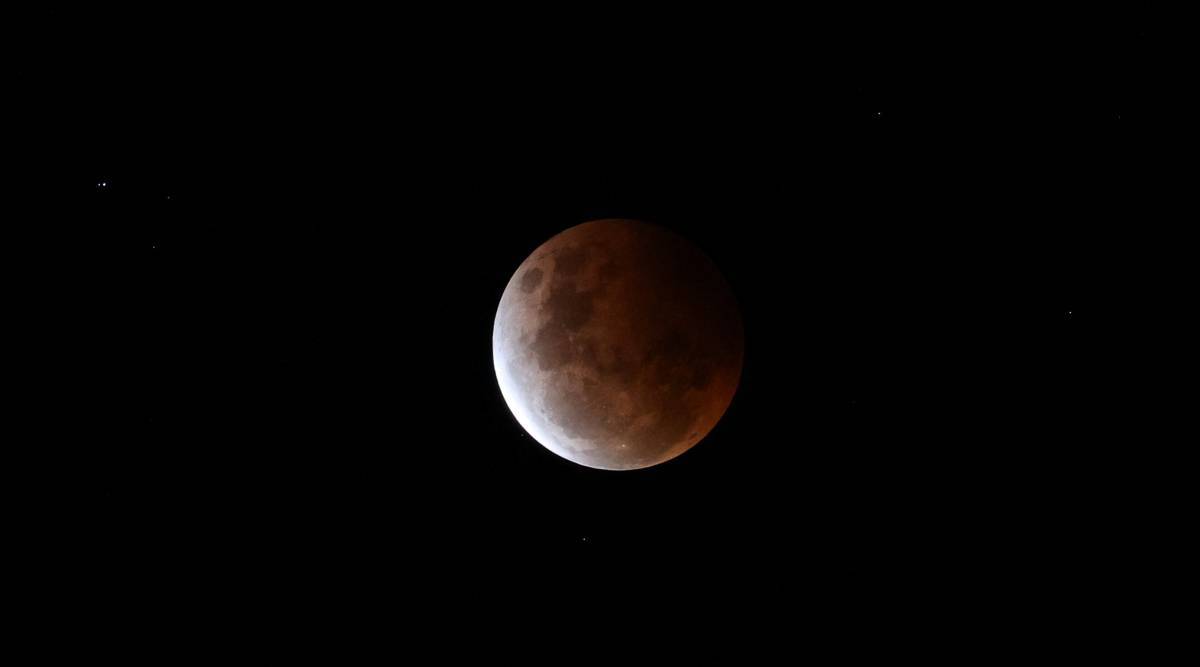
I was recently challenged to look into the subject of the Lunar Sabbaths. As I see the amount of material on these things, I see that calendar controversies rage as acclaimed scholars promote theories on different sides. The theory of a lunar-based calendar that not only sets the months, but the weeks of the month allows for non days when the moon is not visible. Each month the calendar is reset and the weekly cycle starts over. The Sabbaths are scheduled on the 7th, 14th, 21st, and 28th of the lunar month. One argument is put forth that the current Gregorian calendar has hidden the true weekly Sabbaths for many centuries and that those who keep these Sabbaths are keeping the wrong day.
So, have these Sabbaths that were kept through the ages been thrown off kilter, lost track of, or forgotten? What about the accuracy of the Bible? What about the erudite Jewish Sages and their tracking of the weekly calendar for thousands of years? Can we still trust the Bible or must we cast it aside as well? As valuable as the Dead Sea Scrolls are in tracking history, are they the be all and end all to teach us what the Bible is talking about?
I personally embrace the Bible as a solid foundation, especially when using the Hebrew in which the Tanakh was mostly written. Anything that lessens the validity of these scriptures or shakes our faith in them as the standard for all time must be observed as a device to lead away from the truth.
Now I realize that those promoting the Lunar Sabbaths and other extra-biblical systems of ordering the week claim to believe the Bible, but they assert that that the Bible does not prove anything in regard to these days. I don’t accept that reasoning because, in fact the Bible says a lot about it, if we just follow it through.
1. The Weekly Cycle started with the Creation Week:
The first point in favor of the Biblical Sabbath, and for me, one of the most conclusive is that the creation week sprang out of nothingness. There was no moon existent on the first day of creation to base the numbering of the days of the week. All that existed at the time of the creation according to Genesis 1:2 was תּהוּ בּה וּ tohu v vohoo (without form and void) which means nothing existed except the Creator himself. We might say that Creation was based solely upon the Creator making something from formless space and or formless matter…the Creator himself being all that marked the beginning of time as we know it. It was not until the 4th day of that first week that the sun, moon and stars appeared.
And G_d said, Let there be lights in the firmament of the heaven to divide the day from the night; and let them be for signs, and for seasons, and for days, and years: And let them be for lights in the firmament of the heaven to give light upon the earth: and it was so. And G_d made two great lights; the greater light to rule the day, and the lesser light to rule the night: he made the stars also. And G_d set them in the firmament of the heaven to give light upon the earth, And to rule over the day and over the night, and to divide the light from the darkness: and G_d saw that it was good.
(Gen 1:14-18)
A closer look at this passage shows the purpose of these lights which appeared on the fourth day. They were to be for signs, and for seasons, for days, and years and to be lights in the firmament of the heaven to give light upon the earth, and to rule over the day and over the night, and to divide the light from the darkness. Nothing is said about establishing the weekly cycle.
Their stated purpose was to be:
For signs: אות “oth” in Hebrew which signifies: “a signal (literally or figuratively), as a flag, beacon, monument, omen, prodigy, evidence, etc.: – mark, miracle, (en-) sign, token.” (Strong’s Concordance).
For Seasons:
מועד “
mo-ed” “properly an appointment, that is, a fixed time or season; specifically a festival; conventionally a year; by implication, an assembly (as convened for a definite purpose); technically the congregation; by extension, the place of meeting; also a signal (as appointed beforehand): – appointed (sign, time), (place of, solemn) assembly, congregation, (set, solemn) feast, (appointed, due) season, solemn (-ity), synagogue, (set) time (appointed).” (Strong’s Concordance).
These lights designated special appointments of YHVH’s feasts and holy convocations. It is noteworthy that these mo-edim or (appointed times) were set up from the very dawn of creation.
For days: The day, though beginning at the going down of the sun, is revealed by the latter half of the next rising of the sun. This includes usually the appearance of the moon, the lesser light.
For years: The definition of the year is also marked off by the lights of the heavens. The new moon marks the beginning of each month, a special set apart “mo-ed” holiday mentioned throughout the Scriptures. The first month of the year is specified in Exodus as beginning with the new moon of Aviv—or green ears (when the barley forms green ears). This ripening of the barley signals that the next new moon is the beginning of the new year.
“To give light upon the earth, To rule over the day and over the night, and to divide the light from the darkness.”
This is all it says.. There is no mention of the defining of weeks here. We must be careful not to suggest what we want the Bible to say.
2. The fourth day:
It is clear, then–is it not, that the purposes of the lights that appeared on the 4th day did not define the weekly cycle? Actually if we take this farther, we can see that to base the beginning of the week on the 4th day, or the creation of the sun, or moon or stars, would mean that those entities were the basis for the celebration of the Sabbath which would be to do obeisance to these signs in the heavens rather than the Creator of the world whose invested His light on the first day of the creation week.
Shall we then not observe the week as celebrating the One who created the world, from whom the creation was taken from nothingness? The entire system of weeks is based theologically upon the idea that before the Creator did his work, there was only emptiness. Just so in our lives of tohu v’bohoo, (without form and void). Without the work of the sanctifying work of obedience to the Torah and the Prophets, our lives amount to nothingness and a mere shadow that fades as the grass of the field.
“The Sabbath appears in Creation week on the seventh day. The Moon was created on the fourth day. There’s only three days from the creation of the moon till the creation of the Sabbath, not seven as the lunar concept calls for. Perhaps the Sabbath should have come on the 11th day? Someone might say, ‘Well, this is Creation, just the beginning but after that the Sabbath will always be seven days after the new moon.’ But without any clear, written indication in Scripture, they’re arguing from silence and against Scripture which states it’s every seventh day irrespective of the moon (Gen. 2:3; Ex. 20:8-11).” https://seedofabraham.net/SabbathLunar.html
Moon Cult?
The idea that the week is controlled by the sighting of the moon, if the above thought is fully understood, is simply moon worship—Allowing a created thing to be the basis for setting the cycle of worship. The Sabbath was to be a memorial of Creation, not a memorial of the moon. The Bible forbids that we go up to the housetops to worship the host of the heavens. In fact it says in Zeph 1:5 that those who go up to the housetops to worship the host of the heavens will be cut off in the great final consumption. Deut. 4:19 commands that we not worship the sun, moon or the stars.
Instability of the lunar cycle:
The moon is not a stable enough instrument in which to base a weekly cycle. Sky and Telescope Magazine showed a lunar calendar for March to June of 2007. The difference between the phases of the moon vary between 6 and 8 days. See the following graph:
EST
Mar. 07 03 06:17pm Full
11 11:54pm 1/4 8 days & 05:33 hrs
18 10:43pm NM 6 days & 22:49 hrs
25 02:16pm 1/4 6 days & 15:33 hrs
Apr. 02 01:15pm Full 7 days & 22:59 hrs
10 02:04pm 1/4 8 days & 00:49 hrs
17 07:36am NM 6 days & 14:20 hrs
24 02:36am 1/4 6 days & 19:00 hrs
May 02 06:06am Full 8 days & 03:33 hrs
10 12:27pm 1/4 7 days & 17:42 hrs
16 03:27pm NM 6 days & 15:54 hrs
23 05:03pm 1/4 7 days & 01:36 hrs
31 09:04pm Full 8 days & 04:01 hrs
June 08 04:43am 1/4 7 days & 07:39 hrs
14 08:13pm NM 6 days & 15:30 hrs
22 06:15am 1/4 7 days & 10:02 hrs
30 06:49am Full 8 days & 00:34 hrs
Full = Full Moon
¼ = Last Quarter Moon
NM = New Moon
¼ = First Quarter Moon, Taken from Sky & Telescope
How could an unstable calendar based on the variable moon be able to rule our weeks? How would weekly business appointments function? Yehova has set the moon to determine the months. This works well with the division of the months of the year, but it does not work with the organization of the weekly cycle. Especially since the Bible indicated that six days were for the business week. Ex 20:8-11. To see how difficult that would be, imagine what it would be like to hold a job in this world always asking for different days of worship; this month maybe Tuesday, next month perhaps Friday. The life would be utter chaos. And then what is done with the days where the moon is unstable?
New moons and Sabbaths are separate Holidays
Where ever both the new moon and the Sabbath are mentioned in the Bible, they are clearly separate entities. For example:
“And to offer all burnt sacrifices unto YHVH in the Sabbaths, in the new moons, and on the set feasts, by number, according to the order commanded unto them, continually before YHVH:” 1Ch 23:31
“Behold, I build a house to the name of YHVH my G_d, to dedicate it to him, and to burn before him sweet incense, and for the continual shewbread, and for the burnt offerings morning and evening, on the Sabbaths, and on the new moons, and on the solemn feasts of YHVH our G_d. This is an ordinance forever to Israel.” 2Ch 2:4
“Then Solomon offered burnt offerings unto YHVH on the altar of YHVH, which he had built before the porch, Even after a certain rate every day, offering according to the commandment of Moses, on the Sabbaths, and on the new moons, and on the solemn feasts, three times in the year, even in the feast of unleavened bread, and in the feast of weeks, and in the feast of tabernacles. 2 Ch 8:13
“And it shall be the prince’s part to give burnt offerings, and meat offerings, and drink offerings, in the feasts, and in the new moons, and in the Sabbaths, in all solemnities of the house of Israel: he shall prepare the sin offering, and the meat offering, and the burnt offering, and the peace offerings, to make reconciliation for the house of Israel.” Eze 45:17
“Likewise the people of the land shall worship at the door of this gate before YHVH in the Sabbaths and in the new moons.” Eze 46:3
“And it shall come to pass, that from one new moon to another, and from one Sabbath to another, shall all flesh come to worship before me, saith YHVH.” Isa 66:23
The Sabbath and the Passover:
According to the Bible the Passover was observed on the 14th day of the first month, but this day is NOT observed as a Sabbath. The Sabbath or Feast Day “Unleavened Bread” began on the 14th at even, the beginning the 15th day of the month. However, according to lunar reckoning, the 7th, 14th, 21st and 28th days of the month are Sabbaths and yet the 14th day in the Bible description is clearly NOT a Sabbath.
The Counting of the Omer
Possibly the biggest Biblical proof against the Lunar Sabbath reckoning is the counting of the Omer. The following paragraphs are taken from Avram Yehoshua (https://seedofabraham.net/SabbathLunar.html) The Sabbath and First Sheaf, ibid:
“Another major problem arises with First Sheaf for those who espouse a lunar Sabbath. There are two interpretations of Lev. 23:11, 15 for the time when the first sheaf of barley grain would be offered on the Altar by the High Priest. After that would be the subsequent counting of 50 days to Shavuot. The interpretations center around, ‘the day after the Shabbat’:”
Lev. 23:11: ‘And he shall wave the sheaf before YHVH for you to be accepted. On the day after the Shabbat the (High) Priest shall wave it.’
Lev. 23:15: ‘And from the day after the Shabbat, from the day on which you bring the sheaf of the elevation offering (the ‘first sheaf’ or ‘omer’ [the amount of barley grain to be sacrificed]), you shall count off seven weeks; they shall be seven complete Sabbaths (or weeks).’
“The reason why it’s not as simple as it seems is because v. 15 (and v. 16, also ‘seven complete Sabbaths’), can be interpreted as being seven complete weeks, with no mention of a literal seventh day Sabbath. The Hebrew word for Sabbath can also denote a full week, hence the two interpretations.”
“The ancient Pharisees believed ‘the day after the Sabbath’ meant the day after the Sabbath of the first day of Unleavened Bread. The first day of the Feast of Unleavened Bread comes on the 15th and is an annual Sabbath day. This meant that the counting would always begin on the next day, on the 16th of Aviv (or Nisan today among traditional Jews). The modern Orthodox Jew follows this rule of interpretation and so for them, Shavuot (Pentecost) is always on the 6th day of Sivan, the third Hebrew month.”
“The Sadducees interpreted ‘the day after the Sabbath’ to be the day after the weekly seventh day Sabbath that fell during the seven days of Unleavened Bread. In this understanding, one cannot know the date of either First Sheaf (and consequently Shavuot), until the new moon for the first month of that year is established. Fourteen days later, in ancient times, it’d be the day for the sacrifice of the Passover lamb with the eating of it in the evening of the 15th, which comes at the close or end of the 14th day. The 15th is the annual, first day Sabbath of Unleavened Bread. This day could fall on Monday, Tuesday, etc. and when Sunday would come around, that Sunday, the day after the weekly Sabbath, would be the day for offering up the barley, and the day that the counting would begin for Shavuot.”
“That Sunday could range in dates anywhere from the 16th to the 22nd of the month of Aviv. This is why one had to wait every year to find out when the new moon sighting for the first month was, in order to determine when the Feast of Unleavened Bread and First Sheaf would be. In the days of Yeshua (Jesus), this priestly or Sadducean interpretation was followed (according to New Testament records).”
“The Sadducean interpretation is biblically correct…. First Sheaf and Shavuot are the only two annual times when G_d doesn’t give any dates for it (unlike Passover which is the 14th of Aviv, or the first day of Unleavened Bread which is the 15th, or the Feast of Trumpets which is the first day of the seventh biblical month, etc.). If the Pharisees were correct, G_d would have given the date for the beginning of the counting of the omer (First Sheaf), and also Shavuot fifty days later. But G_d couldn’t give the date because it changes every year as the first day of Unleavened Bread (the 15th of Aviv), can come on any day of the week and so the Sunday date for the Feast of Unleavened Bread week changes every year. It’s not possible to give a date for First Sheaf and that’s how we know the Sadducees were right, and also how we know that a lunar Sabbath is wrong.”
“The same problem arises for a lunar sabbaterian who would try and interpret the ‘day after’ as the Sadducees did too. The ‘weekly’ Sabbath for them would be the 14th day of Aviv with ‘the day after’ being the 15th. This would not only be their First Sheaf, and subsequent day of beginning the 50 day count for Shavuot, but also the annual Sabbath for the first day of Unleavened Bread. As such, it would always give them the same dates for both First Sheaf and Shavuot. (And of course, if they chose to use the annual Sabbath for the seventh day of Unleavened Bread, or their lunar Sabbath of the 21st of Aviv, they’d have the same problem with those two times always coming on the same dates.)”
“It’s here that the lunar concept completely breaks down because it always predicts the date for both First Sheaf and Shavuot with its fixed Sabbaths of 7-14-21-28. In other words, whether they interpreted ‘the day after’ to mean the day after the Sabbath of the 14th, or the annual Sabbath of Unleavened Bread on the 15th or even the second annual Sabbath of the 21st, etc., they would always have the same date for it and for Shavuot. But G_d didn’t give any of those dates and so it’s certain that there’s no such thing as a biblical lunar Shabbat for the weekly Sabbaths.”
The Fourth Commandment
Remember the Sabbath day, to keep it holy. Six days shalt thou labour, and do all thy work: But the seventh day is the Sabbath of YHVH thy G_d: in it thou shalt not do any work, thou, nor thy son, nor thy daughter, thy manservant, nor thy maidservant, nor thy cattle, nor thy stranger that is within thy gates: For in six days YHVH made heaven and earth, the sea, and all that in them is, and rested the seventh day: wherefore YHVH blessed the Sabbath day, and hallowed it. Exo 20:8-11
It says “six days shalt thou labor…but the seventh day is the Sabbath.” It doesn’t say that the Sabbath is sometimes the 8th day or the 6th day, or that there is a non-day at the end of every month that must be reckoned. Where the Bible is silent, we must not add detail.
A Biblical warning:
“Add thou not unto his words, lest he reprove thee, and thou be found a liar.” Pro 30:6
Elements of Confusion:
If in the Messianic Age the nations will go up to Jerusalem to keep the Shabbat (Isa 66:22-23) and the new moon and the Torah shall go forth to educate the world from Jerusalem (Micah 4, Isa 2), then it would be almost impossible to teach anything about Shabbat or the New Moon if they were one and the same and if there was always a movable Sabbath and hidden days that do not count!
Transfer of Holiness?
Transfer of Holiness, Do common or unconsecrated things ever become holy?
Haggai 2:12 NIV: “If someone carries consecrated meat in the fold of their garment, and that fold touches some bread or stew, some wine, olive oil or other food, does it become consecrated? The priests answered, No.”
Parsha Tzav, Leviticus 6-8, is about the way the sacrifices were prepared, who should partake and who should not partake, which part was for YHVH alone, the proper separation of the fat of the sacrifice, the purging of blood, washing, etc.
Does a sanctified flesh or grain offering cause holiness to pass to anything that touches it?
What I have noticed that seems to be a misunderstanding in translation is that in chapter 6 under the
The Law of the Grain Offering:
Lev. 6:14-18 “These are the regulations for the grain offering: Aaron’s sons are to bring it before YHVH, in front of the altar. The priest is to take a handful of the finest flour and some olive oil, together with all the incense on the grain offering, and burn the memorial a portion on the altar as an aroma pleasing to YHVH. Aaron and his sons shall eat the rest of it, but it is to be eaten without yeast in the sanctuary area; they are to eat it in the courtyard of the tent of meeting. It must not be baked with yeast; I have given it as their share of the food offerings presented to me. Like the sin offering and the guilt offering, it is most holy. Any male descendant of Aaron may eat it. For all generations to come it is his perpetual share of the food offerings presented to the YHVH. Whatever touches them will become holy.” (Notice the words “will become holy”).
The Law of the Sin Offering:
Lev. 6:24-27: “YHVH said to Moses, Say to Aaron and his sons: These are the regulations for the sin offering: The sin offering is to be slaughtered before the YHVH in the place the burnt offering is slaughtered; it is most holy. The priest who offers it shall eat it; it is to be eaten in the sanctuary area, in the courtyard of the tent of meeting. Whatever touches any of the flesh will become holy.”
What happens to Holy flesh that touches something Unclean?
Lev. 7:19-20: “And the flesh that touches any unclean thing shall not be eaten; it shall be burnt with fire. And as for the flesh, every one that is clean shall eat thereof: but the soul that eats of the flesh of the sacrifice of peace-offerings, that pertain unto YHVH, having his uncleanness upon him, that soul shall be cut off from his people.”
Separation of the Common and the Holy:
Eze: 44:23: (Speaking of the work of the Cohanim) “They are to teach my people the difference between the holy and the common and show them how to distinguish between the unclean and the clean.”
Lev. 10:8-10: “Then YHVH said to Aaron, You and your sons are not to drink wine or other fermented drink whenever you go into the tent of meeting, or you will die. This is a lasting ordinance for the generations to come, so that you can distinguish between the holy and the common, between the unclean and the clean”
It seems there is an apparent discrepancy in the verses about the Grain offering and the Sin Offering showing that items that touch this sanctified flesh or grain “become” holy. My question is this… Would it be more consistent with the message of the entire Torah about separation between the holy and the common, to say that the word “become” should be translated as “be”. For example it could say: Whatever touches any of the flesh should be holy” (a consecrated person or vessel, etc.)?
Making the Unclean Clean?
What do we make of fetal tissue used in drugs, facial products and vaccines? There is a consensus among rabbinic circles that fetal tissue is not exempt from use in science and that Torah (as they have interpreted it) does not condemn it. What about the unclean and clean concepts expressed in the Torah?
See the next two statements of rabbinic conclusion on the topic. The first is extracted from an article on Sefaria, part of a long article on ethical procedures and Halakhah:
“Nevertheless, regardless of the unethical nature of the abortion itself, once it has been performed there need be no compunction with regard to utilization of the abortus in a manner otherwise consistent with applicable provisions of Jewish law. It is readily conceded by all that organs derived from a homicide may be used for any purpose for which organs obtained from the corpse of a person who has died of natural causes may be used and that such use in no way entails complicity in the act of homicide.” 1
Quoted on the issue of vaccines at Chabad’s website. Rabbi Dr. J. D Bleich in Contemporary Halachic Issues, vol. 4: “Although performance of an abortion is a grievous offense, Jewish law does not posit a “Miranda principle” or an exclusionary rule that would, post factum, preclude use of illicitly procured tissue for an otherwise sanctioned purpose… By the same token, the absence of an exclusionary principle means that there is no moral barrier preventing the research scientist or the manufacturer of pharmaceutical products from utilizing fetal tissue procured by means of induced abortion for purposes that are otherwise moral, provided that such utilization of fetal tissue does not involve collusion in, or encouragement of, the abortion itself.”2
A woman who gives birth is considered in a state of defilement for a period of time after giving birth, 41 days (8+33) for a boy and 66 days for a girl.3 Does this not seem to say that what is produced by a miscarriage or abortion would also be considered defilement? Is the substance of a once living entity which has died not qualify as part of a carcass?
We know that whoever touches a carcass is considered unclean until evening and after washing, whether the carcass is an animal that is considered clean or unclean.4 So then, how is a fetus considered? It is not an animal, but where do we have instruction to use or avoid use of any part of a human? Is there not a problem even with the harvesting of organs? What about DNA?
What effect did touching an unclean thing have on holy things? The prophet Haggai spoke of this in a parable to the leaders of his day:
Hag 2:12-13 “If one bear holy flesh in the skirt of his garment, and with his skirt do touch bread, or pottage, or wine, or oil, or any meat, shall it be holy? And the priests answered and said, No.
Then said Haggai, If one that is unclean by a dead body touch any of these, shall it be unclean? And the priests answered and said, It shall be unclean.”
This is perhaps a very delicate area, but if we take the principles of Torah as they are written rather than accepting teachings that have come from their embellishment and manipulation, which actually abolish the true teachings of Torah, then we qualify things that were originally never meant to be done. Thus we make the Torah into something we can never be sure about without a rabbinic viewpoint. Thus we cannot feel confident in the study of the simple truth of Torah for ourselves.
Besides the issue of using something once living and now dead for scientific research, we have the issue of participating in the death of potential human beings. The question is often asked: But when does a fetus become viable? Still if the potential is there, any interruption in the life of a soul should be considered illicit in most cases. And even if the abortion was done for a legitimate cause, how can one determine which of all the billions of fetuses available for scientific use, was harvested from a legitimate cause? And this does not even begin to touch the clean and unclean aspects of Torah.
In the case of a natural miscarriage, it must be assumed that the dead fetus is in an unclean state. How then can it be considered acceptable for any use? Can defilement from death ever be cleansed? Apparently only by burying it and then washing one’s body and clothing and waiting until the day is over. There is nothing about cleansing the item that caused defilement.
There is another aspect involved and that is about using something that is a result of evil for a good cause. Is abortion murder in most cases? And if so, is it legitimate to use the proceeds of murder or robbery for a good purpose? Can we justify a death because something good can come from it? Can we even “make the best” of something like this by repurposing it?
Think a moment of the death of Achan who stole goods from Jericho against the order of Joshua. When he was found out, not only all of his immediate family was destroyed, but all of his goods. Nothing was allowed to be used. Were any of the material goods usable for a good cause? Of course! But everything was gathered together, a heap of stones piled over it all and it was then burned.5
Also the goods of Korach, Dathan and Abiram were destroyed.6 To the people Moses commanded “do not touch anything that belongs to them, or you will be swept away in all their sin!” vs. 26.
So the participation in sin sweeps away everyone who is involved, now that is according to Moses!
All I ask is that we all take a hard look at the literal Torah before we make concessions. That we accept the Torah as simple and easy to understand for the layman. After all…
“Now what I am commanding you today is not too difficult for you or beyond your reach. It is not up in heaven, so that you have to ask, “Who will ascend into heaven to get it and proclaim it to us so we may obey it? Nor is it beyond the sea, so that you have to ask, “Who will cross the sea to get it and proclaim it to us so we may obey it?
No, the word is very near you; it is in your mouth and in your heart so you may obey it. See, I set before you today life and prosperity, death and destruction.
For I command you today to love the LORD your God, to walk in obedience to him, and to keep his commands, decrees and laws; then you will live and increase, and the LORD your God will bless you in the land you are entering to possess.” Deu 30:11-16
1https://www.sefaria.org/Contemporary_Halakhic_Problems%2C_Vol_IV%2C_Chapter_VIII_Fetal_Tissue_Research%2C_Jewish_Tradition_and_Public_Policy.54?ven=Contemporary_halakhic_problems%3B_by_J._David_Bleich,_1977-2005&lang=bi&with=all&lang2=en
2https://www.chabad.org/library/article_cdo/aid/4980531/jewish/Can-I-Use-Vaccines-Made-From-Fetal-Tissue-or-Non-Kosher-Animals.htm
3Lev. 12: 1-5
4Lev. 11:24, 39-40
5Josh. 7:24-26
6Num. 16:25-32
El Perdón y Los Sacrificios
El Perdón y Los Sacrificios
¿Qué se requiere para que Dios perdone los pecados? ¿Fue Jesús quien resolvió el problema?
Si queremos entender la mente de Dios y cómo se relaciona con los pecadores y el problema del pecado, debemos mirar lo que dice la Biblia.
Una de las creencias cardinales del cristianismo es que Jesús fue un sacrificio por toda la humanidad. Hay muchos textos en el Nuevo Testamento, especialmente los escritos por Pablo, que indican que el sacrificio por el pecado basado en lo que se requería originalmente en la Torá, se cumplió con un sacrificio hecho por la humanidad, la muerte de Jesús en la cruz.
Del Nuevo Testamento:
Hebreos 9: 22 Y según la ley, casi todo es purificado con sangre, y sin derramamiento de sangre no hay perdón.
Pero, ¿cómo verificamos esto o demostramos que es incorrecto? ¿Podemos seguir afirmando que el Nuevo Testamento está al lado del Antiguo, igual de preciso y muchas veces sirviendo para interpretar correctamente el Antiguo Testamento? Esa parece ser la posición de la mayoría de las organizaciones cristianas. Pero, ¿no suele ser el original el más preciso? ¿Y por qué el Nuevo Testamento se escribió originalmente en griego si Jesús era judío? ¿No fueron los griegos una de las principales influencias que alejaron al pueblo de Dios de la verdad? Quisiera invitarlos a mirar el Antiguo Testamento con ojos nuevos. Es lo único que nos dice qué son los mandamientos y con qué propósito. El Nuevo Testamento es el comentario de Pablo y algunos otros, y desafortunadamente fue canonizado por la iglesia católica, entonces, ¿cómo podemos confiar en él?
El Antiguo Testamento, llamado el Tanakh por los judíos, debería decirnos si se usó algo para el perdón de los pecados. Es cierto que hubo sacrificios, ¡muchos, muchos!
Pero ¿cuál era su propósito? ¿No debería estar definido por el texto donde fueron escritos y no 1000 años después en otro libro?
Una mirada cercana a cada sacrificio muestra que había diferentes propósitos para hacer un sacrificio. Y había sacrificios que no involucraban la muerte. Hubo sacrificios de animales, sacrificios de aves, sacrificios de granos, sacrificios de medio siclo… Examinar cada sacrificio para encontrar si calificaba para el perdón llevaría mucho tiempo. Sin embargo, podemos ver el único sacrificio que trató con el pecado y, sorprendentemente, fue por el pecado no intencional, o por cometer un error. No tenía nada que ver con la desobediencia a través de la rebelión contra Dios.
Lev 4:1 El SEÑOR habló a Moisés, diciendo: 2 Habla a los hijos de Israel, diciendo: “Si alguien peca inadvertidamente en cualquiera de las cosas que el SEÑOR ha mandado que no se hagan, y hace alguna de ellas; 3 si el que peca es el sacerdote ungido, trayendo culpa sobre el pueblo, que entonces ofrezca al SEÑOR un novillo sin defecto como ofrenda por el pecado, por el pecado que ha cometido.”
Me gustaría tomar el enfoque de que miramos lo que NO hicieron los sacrificios. Veamos versículos de diferentes profetas del Antiguo Testamento que concuerdan:
1 Sam 15:22: “Y Samuel dijo: ¿Tiene Yehová tanto contentamiento con los holocaustos y víctimas, como en obedecer á las palabras de Yehová? Ciertamente el obedecer es mejor que los sacrificios; y el prestar atención que el sebo de los carneros”
Después del pecado de adulterio con Betsabé, el Rey David declara:
Salmos:51: 16 “Porque no quieres sacrificio, que yo lo daría; No quieres holocausto. 17 Los sacrificios de Dios son el espíritu quebrantado; Al corazón contrito y humillado no despreciarás tú, oh Dios.”
Oseas 6: 6: “Porque misericordia quiero, y no sacrificio, y conocimiento de Dios más que holocaustos.”
Así que hemos visto tres textos diferentes que dicen que Dios no desea sacrificio. Ahora veamos lo que dice que hace que nos perdone.
2Ch 7:14 “si se humillare mi pueblo, sobre el cual mi nombre es invocado, y oraren, y buscaren mi rostro, y se convirtieren de sus malos caminos; entonces yo oiré desde los cielos, y perdonaré sus pecados, y sanaré su tierra. 15 Ahora estarán abiertos mis ojos y atentos mis oídos a la oración en este lugar”
Isa 55: 6 “Buscad a Yehová mientras puede ser hallado, llamadle en tanto que está cercano. 7 Deje el impío su camino, y el hombre inicuo sus pensamientos, y vuélvase a Yehová, el cual tendrá de él misericordia, y al Dios nuestro, el cual será amplio en perdonar.”
Prov 28:13: “El que encubre sus pecados no prosperará; Mas el que los confiesa y se aparta alcanzará misericordia.”
Eze 18:21 “Mas el impío, si se apartare de todos sus pecados que hizo, y guardare todos mis estatutos e hiciere según el derecho y la justicia, de cierto vivirá; no morirá. 22 Todas las transgresiones que cometió, no le serán recordadas; en su justicia que hizo vivirá. 23 ¿Quiero yo la muerte del impío? dice Jehová el Señor. ¿No vivirá, si se apartare de sus caminos?”
Eze 33:14 “Y cuando yo dijere al impío: De cierto morirás; si él se convirtiere de su pecado, e hiciere según el derecho y la justicia, 15 si el impío restituyere la prenda, devolviere lo que hubiere robado, y caminare en los estatutos de la vida, no haciendo iniquidad, vivirá ciertamente y no morirá. 16 No se le recordará ninguno de sus pecados que había cometido; hizo según el derecho y la justicia; vivirá ciertamente.”
Joel 2:12 “Por eso pues, ahora, dice Yehová, convertíos a mí con todo vuestro corazón, con ayuno y lloro y lamento. 13 Rasgad vuestro corazón, y no vuestros vestidos, y convertíos a Yehová vuestro Dios; porque misericordioso es y clemente, tardo para la ira y grande en misericordia, y que se duele del castigo.”
Entonces, está bastante claro que el requisito para recibir el perdón es simplemente alejarse del pecado, arrepentirse, confesar y no continuar pecando. Entonces Dios perdona. ¿Para qué servían los sacrificios? Quizás eso no tenga nada que ver con el perdón, quizás esa fue una manera de reconocer la misericordia de Jehová y una manera de decir “gracias por perdonarme”.
Entonces, ¿qué hacemos ahora con Jesús? ¿Con qué propósito fue su muerte? ¿Dios aprueba el sacrificio humano? Pero se nos dice que Jesús no era completamente hombre, entonces, ¿muere Dios alguna vez? ¿Piénsalo? Cuando lo analizas, se enreda mucho. Entonces, ¿Jesús era ambos hombre y dios?
Num 23: 19 “Dios no es hombre, para que mienta, Ni hijo de hombre para que se arrepienta. El dijo, ¿y no hará? Habló, ¿y no lo ejecutará?”
