¿Quién de todos está en el cielo?

Estudio sobre la Muerte y la Inmortalidad del Alma

Recientemente escuché a un amigo comentar acerca de todas las almas en el Cielo que están observando los acontecimientos en esta tierra, aplaudiendo el buen progreso en la restauración de la tierra de Israel y llorando por todos los errores cometidos por el gobierno israelí. Me sorprendió porque la Biblia, el Tanaj, el Antiguo Testamento, por así decirlo, no dicen estas cosas. Es claro que los que están muertos no participan en lo que sucede bajo el sol, ni siquiera saben cuándo sus hijos llegan a ser honrados o deshonrados. No hay forma de que ningún ser humano que conozcamos aparte de Enoc y Elías esté ahí afuera mirándonos y observando los eventos que nos suceden. Y no pretendo saber lo que hacen Elias y Enoc allá. Es mi opinión de que sepan lo que pasa aquí en la tierra. (Recuerde, este estudio está basado en las Escrituras hebreas y no consulta la Biblia cristiana).

Entonces, comencemos con una lectura minuciosa de los textos relacionados con este tema.

Génesis 2:7:: “Entonces Jehová Dios formó al hombre del polvo de la tierra, y sopló en su nariz aliento (alma) de vida; y el hombre se convirtió en un ser viviente”.
 וַיִּיצֶר יְהוָה אֱלֹהִים אֶת־הָאָדָם עָפָר מִן־הָאֲדָמָה וַיִּפַּח בְּאַפָּיו נִשְׁמַת חַיִּים וַיְהִי הָאָדָם לְנֶפֶשׁ חַיָּה׃

Génesis 2:17 ”Pero del árbol de la ciencia del bien y del mal no comerás, porque el día que de él comas, ciertamente morirás.” (o muriendo morirás),

וּמֵעֵץ הַדַּעַת טוֹב וָרָע לֹא תֹאכַל מִמֶּנּוּ כִּי בְּיוֹם אֲכָלְךָ מִמֶּנּוּ מוֹת תָּמוּת׃

La idea de morir “ese mismo día” es algo que muchos estudiantes de las Escrituras han tratado de entender. El versículo usa dos palabras para la muerte (מוֹת תָּמוּת). Esto se encuentra en otras partes de las Escrituras. Cuando los hijos de Israel estaban en el desierto y se habían quejado de muchas cosas, YHVH le dijo a Moisés que muchos morirían en el desierto.

Números 26:65 “Porque Jehová había dicho de ellos: Ciertamente morirán en el desierto. No quedó ningún varón de ellos, excepto Caleb hijo de Jefone y Josué hijo de Nun.”

Este pasaje también usa las dos palabras que se traducen como “ciertamente morirás” en algunas Biblias (מוֹת תָּמוּת). De ambas historias vemos que la muerte física ocurrió algún tiempo después. ¿Pero podría significar también que Adán y Eva, en ese día, se volvieron mortales y ya no tenían vida eterna dentro de ellos? En ese momento el elemento de la vida eterna los había abandonado.

Pero, ¿qué sucede realmente cuando alguien muere físicamente? Esta es realmente una pregunta importante y muchas religiones afirman que solo el cuerpo muere y deja de respirar, pero el alma sigue viviendo como un elemento eterno, ya sea en el cielo o en otro lugar. Pero ¿qué dice la Biblia?

¿Existe evidencia de que la teoría de la eternidad del alma es algo que proviene del paganismo? ¿Cuándo comenzó esta creencia? Sé que en el Antiguo Egipto, los restos momificados de los gobernantes eran enterrados con tesoros y comida para que pudieran pasar al más allá. No sólo Egipto, sino también Babilonia, el culto de Osiris/Isis y los griegos mantenían esta creencia. Mira aquí. Parece que todas las religiones paganas se aferraban a esta creencia: la idea de una vida eterna del alma que elevaba los sentidos a la bienaventuranza o los destinaba al infierno y al tormento. ¿Pero es esto lo que dice la Biblia? Miremos todo esto mientras lo abrimos al escrutinio. Los siguientes versos tratan de la muerte:

Job 7:9-10 “[Como] la nube se consume y se desvanece, así el que desciende al sepulcro, no volverá a subir [más]. No volverá más a su casa, ni su lugar lo conocerá más”.

Job 14:10, 14,15, 21, “Pero el hombre muere y se desgasta; sí, el hombre entrega el espíritu, ¿y dónde está? Si un hombre muere, ¿vivirá [de nuevo]? esperaré todos los días de mi tiempo señalado, hasta que venga mi cambio. Llamarás, y yo te responderé: desearás la obra de tus manos. Sus hijos vienen a honrar, y él no lo sabe; y están abatidos, pero él no se da cuenta de ellos”.

A veces la gente me dice que estos versículos hablan de los malvados, no de los justos, pero no veo ningún versículo circundante que sugiera esto. Observe en el versículo anterior que Job está esperando un tiempo señalado. Confiando en que Dios se acordará de él.

Sal 6:5 “Porque en la muerte no hay memoria de ti; En el Seol, ¿quién podrá alabarte?

Nuevamente, no se menciona que existen dos tipos de personas con diferentes condiciones de muerte. De hecho, los malvados no estarían alabando a Yah de todos modos.

Salmo 115:17: “No alaban a Jehová los muertos, ni los que descienden al silencio”.

Sal 13:3 “Considera y respóndeme, oh Jehová Dios mío; ilumina mis ojos, para que no duerma el sueño de la muerte”. Por eso aquí el salmista llama a la muerte un sueño.

Una vez, el rey Saúl buscó un médium espiritual (uno que practica la nigromancia) que había sido prohibido por YHVH en la Torá (ver aquí). Quería saber el resultado de la batalla con los filisteos. Deuteronomio 18:9-11 Ver aquí.

Saúl pidió que le trajeran a Samuel para contarle el futuro de la batalla. Samuel dijo lo siguiente:

1 Sam 28:15: “Entonces Samuel dijo a Saúl: “¿Por qué me has perturbado haciéndome subir?” Saúl respondió: “Estoy en gran angustia; porque los filisteos están en guerra contra mí, y Dios se ha apartado de mí y ya no me responde, ni por profetas ni por sueños; por eso te he llamado para que me digas lo que debo hacer”.

Note que Samuel dijo: “¿Por qué me has molestado?” Como estamos viendo, Samuel estaba muerto y no, no bajó del cielo, fue despertado para hablar con Saúl y no se alegró por ello. YHVH claramente prohibió la comunicación con los muertos. No se les debe despertar ni molestar. Saúl pagó cara su desobediencia. Lea el pasaje completo en el enlace de arriba.

Sal 16:10 “Porque no me entregarás al Seol, ni dejarás que tu santo vea el abismo”.

Aquí parece que tal vez el versículo, si se toma solo, significa que los justos no descienden al Seol, pero note que dice que el Eterno no “me entregará al Seol”. Otras versiones utilizan la palabra “abandona mi alma”. Si el alma tiene la posibilidad de ser abandonada en el Seol (la tumba), entonces David está diciendo que confía en que su alma no permanecerá allí permanentemente. ¿Y cuánto dura eso?

Sal 49:15 “Pero Dios rescatará mi alma del poder del Seol, porque él me recibirá”. [Sélah]

¿Qué pasa con la resurrección? ¿Por qué YHVH siquiera necesitaría una resurrección si Él ya tiene las almas de las personas buenas con Él? La resurrección es un principio de fe tanto para los judíos, ver aquí, como para la mayoría de las organizaciones cristianas, ver aquí.

En Job 19:25-27, Job habla de esperar la resurrección: “Porque yo sé que mi Redentor vive, y al fin se levantará sobre la tierra; – y después que mi piel haya sido así destruida, entonces desde mi carne veré a Dios, – al cual veré en mi costado, y mis ojos verán, y no a otro. ¡Mi corazón desfallece dentro de mí! Vea el versículo 25 en hebreo a continuación:

וַאֲנִי יָדַעְתִּי גֹּאֲלִי חָי וְאַחֲרוֹן עַל־עָפָר יָקוּם׃

Nuevamente, ¿cuál sería el propósito de Job al afirmar con fe que el Gran Redentor de las almas lo recordaría en el último día sobre la tierra?

Daniel 12:1-2 “En aquel tiempo se levantará Miguel, el gran príncipe que está a cargo de tu pueblo. Y será tiempo de angustia, cual nunca ha sido desde que hubo nación hasta entonces; pero en aquel tiempo será libertado tu pueblo, todo aquel cuyo nombre se encuentre escrito en el libro. Y muchos de los que duermen en el polvo de la tierra despertarán, algunos para vida eterna, y otros para vergüenza y desprecio eterno. .”

¿Te diste cuenta de las palabras “Dormir en el polvo”? Nuevamente vemos que los muertos están dormidos y no deambulan ni en el infierno ni en el cielo. Pero, ¿qué regresa a Hashem de todos modos?

Eclesiastés 12:6-7: “Antes que se rompa el cordón de plata, o se rompa el cuenco de oro, o se rompa el cántaro junto a la fuente, o se rompa la rueda junto a la cisterna, y el polvo vuelva a la tierra como era, y el espíritu (ruach) vuelve a Dios que lo dio.”

Observe que el espíritu (aliento) regresa, no el alma.
וְיָשֹׁב הֶעָפָר עַל־הָאָרֶץ כְּשֶׁהָיָה וְהָרוּחַ תָּשׁוּב אֶל־הָאֱלֹהִים אֲשֶׁר נְתָנָהּ׃

Sal 146:4 “Cuando le falta el aliento, vuelve a su tierra; ese mismo día sus pensamientos perecen”.

תֵּצֵא רוּחוֹ יָשֻׁב לְאַדְמָתוֹ בַּיּוֹם הַהוּא אָבְדוּ עֶשְׁתֹּנֹתָיו׃

Si sus pensamientos perecen, ni siquiera sabrá que está sepultado, ni sabrá si está en el Cielo.

Eclesiastés 9:5-6, 10 “Porque los vivos saben que han de morir, pero los muertos nada saben, y no tienen más recompensa; sino que se pierde la memoria de ellos. Su amor, su odio y su envidia ya han perecido. , y nunca más tendrán participación en todo lo que se hace bajo el sol. Todo lo que tu mano encuentre para hacer, hazlo con tu fuerza, porque no hay trabajo ni pensamiento ni conocimiento ni sabiduría en el Seol, al que estás destinado. yendo.”

Lo siguiente muestra que las almas nunca existen y aquí incluso las almas de los que pecan (que somos todos nosotros), mueren junto con el cuerpo. Nadie está en el infierno sufriendo condenación, ni en el cielo disfrutando del paraíso, excepto aquellos como Enoc y Elías, cuyas historias de traducción están escritas para nosotros en el Tanaj. Y ellos no murieron primero sino que fueron tomados por el Creador. ¿Cuál era su propósito? Podría especular que fueron tomados como jueces de la generación en la que vivieron. ¿Hay otros? No lo sabemos.

Ezequiel 18:4, 20: “He aquí, todas las almas son mías; tanto el alma del padre como el alma del hijo es mía; el alma que pecare, esa morirá”.
“El alma que pecare, morirá. El hijo no sufrirá por la iniquidad del padre, ni el padre sufrirá por la iniquidad del hijo; la justicia del justo recaerá sobre él, y la maldad de los impíos recaerá sobre él. él mismo.”

Nefesh y Neshama: El cuerpo y el aliento que contenia el alma puro de YHVH hicieron un ser viviente.

Génesis 2:7: “Entonces Jehová Dios formó al hombre del polvo de la tierra, y sopló en su nariz aliento (Neshama o alma) de vida; y el hombre se convirtió en un ser viviente”.

וַיִּיצֶר יְהוָה אֱלֹהִים אֶת־הָאָדָם עָפָר מִן־הָאֲדָמָה וַיִּפ ַּח בְּאַפָּיו נִשְׁמַת חַיִּים וַיְהִי הָאָדָם לְנֶפֶשׁ חַיָּה׃

Nuevamente vemos este versículo, pero con el propósito de identificar el cuerpo y el alma como una unidad una vez que el aliento de su Creador ha sido colocado en sus fosas nasales.

Muchos interpretan que esto significa que el aliento de Di-s era en realidad el alma y así lo parece en este versículo. Pero entonces, ¿por qué más tarde, cuando el hombre muere, sólo el Ruaj (aliento) regresa a Dios? Déjame explicarte la pregunta nuevamente. En Génesis 2:7, el hebreo es bastante claro en cuanto a que el Creador sopló un alma en Adán y luego él se convirtió en una criatura viviente (Nefesh). Entonces, como hemos visto anteriormente, cuando el hombre muere, sólo el aliento (no, no neshamá-alma, sino ruach-viento o aliento) regresa al Eterno. Sin embargo, y observemos de cerca esta línea de pensamiento, Adán fue creado con vida eterna: era un alma que existía eternamente. Entonces algo cambió cuando él y su esposa Eva comieron del fruto del árbol del conocimiento del bien y del mal.

Génesis 2:17 “Pero del árbol de la ciencia del bien y del mal no comerás, porque el día que de él comas, ciertamente morirás”.

Sabemos que comieron del árbol y algo les pasó en ese momento. Mi mejor estudio me dice que la primera pareja se volvió mortal ese día. Eso significa que hubo un cambio en el alma. El alma ya no era inmortal. Y entonces surge la pregunta: si Adán y Eva ya no eran inmortales y esta parece ser la muerte que fue predicha como “el día que comáis de él”, entonces esto describe el cambio del alma de inmortal a mortal. Se perdió la inmortalidad. Entonces se seguiría que el alma ahora no podría regresar al Creador en su forma contaminada, no, no por mucho tiempo. El cuerpo ahora estaba ligado al alma y esta combinación (cuerpo y alma) tendría que esperar hasta la resurrección de los muertos. Si volvemos a ver el versículo de Ezequiel 18 arriba que dice “el alma que pecare, esa morirá”, está claro que no sólo muere el cuerpo, sino que también muere el alma que está encadenada a él. Después de todo, ahora es un alma mortal, no inmortal.

Espero que este estudio resulte claro. Si no, por favor deja un comentario en la sección de comentarios.

Para otro estudio, el tema del juicio y la recompensa y el castigo eternos debe dejarse para más adelante.

¡Bendiciones mientras excavamos en la mina de la verdad–La Tanaj!

Ariella

Comparta sus comentarios conmigo, dé me gusta y compártalos con otros y haga clic en el enlace a continuación para seguir mis estudios. ¡Gracias por su apoyo!


Follow Take Hold the Tzitzit on WordPress.com

Who’s in Heaven Anyway?

Death and Immortality of the Soul

Recently I heard a friend comment about all the souls in Heaven that are watching the events on this earth–cheering for the progress in restoring the land of Israel and crying over all the mistakes made by our Government. I was shocked because the Bible, Tanakh, Old Testament if you will, do not say these things. It is clear that those who are dead take no part in what happens under the sun, nor do they even know when their sons come to honor or disgrace. There is no way any human that we know of other than Enoch and Elijah are out there watching us and the events that happen to us. Remember, this is based on the Hebrew Scriptures only. 

So let’s begin with a perusal of texts that relate to this topic. 

Genesis 2:7:: “Then the LORD God formed man of dust from the ground, and breathed into his nostrils the breath (soul) of life; and man became a living being.”

 וַיִּיצֶר יְהוָה אֱלֹהִים אֶת־הָאָדָם עָפָר מִן־הָאֲדָמָה וַיִּפַּח בְּאַפָּיו נִשְׁמַת חַיִּים וַיְהִי הָאָדָם לְנֶפֶשׁ חַיָּה׃

Gen 2:17””But of the tree of the knowledge of good and evil you shall not eat, for in the day that you eat of it you shall surely die.” ( or dying you shall die), 

וּמֵעֵץ הַדַּעַת טוֹב וָרָע לֹא תֹאכַל מִמֶּנּוּ כִּי בְּיוֹם אֲכָלְךָ מִמֶּנּוּ מוֹת תָּמוּת׃

The idea of dying “that same day” is something a lot of students of scripture have tried to wrap their heads around. The verse uses two words for death ( מוֹת תָּמוּת). This is found elsewhere in scripture. When the children of Israel were in the desert and had been complaining about many things, YHVH told Moses that many would die in the wilderness. 

Num 26:65 ”For the LORD had said of them, “They shall surely die in the wilderness.” There was not left a man of them, except Caleb the son of Jephunneh and Joshua the son of Nun.”

This passage also uses the two words that are translated “surely die” in some Bibles (מוֹת תָּמוּת). From both stories we see that physical death happened sometime later. But could it also mean that Adam and Eve, on that day became mortal, no longer having eternal life within them? At that point the element of eternal life had left them. 

But what actually happens when someone dies physically? This is really an important question and one that many religions state that only the body dies and stops breathing but the soul goes on living as an eternal element whether in Heaven or the other Place. But what does the Bible say? 

Is there evidence that the theory of the eternality of the soul is something that comes from paganism? When did this belief begin? I know that in Ancient Egypt, the mummified remains of rulers were buried with treasures and food for them to enter the afterlife. Not only Egypt, but Babylon, the cult of Osiris/Isis and the Greeks held this belief. See here.  It seems all pagan religions clung to this belief–the idea of an eternal life of the soul which elevated the senses to bliss or destined to them to hell and torment. But is this what the Bible says? Let’s look at all of this as we open this up for scrutiny.  The following verses deal with death and the grave:

Job 7:9-10 “[As] the cloud is consumed and vanisheth away: so he that goeth down to the grave shall come up no [more]. He shall return no more to his house, neither shall his place know him any more.”

Job 14:10, 14,15, 21, “But man dieth, and wasteth away: yea, man giveth up the ghost, and where [is] he? If a man die, shall he live [again]? all the days of my appointed time will I wait, till my change come. Thou shalt call, and I will answer thee: thou wilt have a desire to the work of thine hands. His sons come to honor, and he knoweth [it] not; and they are brought low, but he perceiveth [it] not of them.”

Sometimes people tell me that these verses are speaking of the wicked, not the righteous, but I don’t see any surrounding verses that suggest this. Notice in the verse above, Job is waiting for an appointed time. Trusting that God will remember him.  And mind you, Job is listed as one of the three most righteous men.

Eze 14:14: “even if these three men, Noah, Daniel, and Job, were in it, they would deliver but their own lives by their righteousness, says the Lord GOD.”

Psa 6:5 “For in death there is no remembrance of thee; in Sheol who can give thee praise?”

Again, no mention that there are two types of people with different conditions in death. In fact, the wicked would not be praising Yah anyway. 

Psalm 115:17: “The dead do not praise the LORD, nor do any that go down into silence.”

Psa 13:3 “Consider and answer me, O LORD my God; lighten my eyes, lest I sleep the sleep of death.” So here the Psalmist calls death a sleep. 

Once King Saul sought out a Spirit Medium (one who practices Necromancy) which had been forbidden by YHVH in the Torah (see here). He wanted to know the outcome of the battle with the Philistines.Deut 18:9-11 See Here.

Saul asked to have Samuel brought up for him to tell the future of the battle. Samuel said the following:

1Sam 28:15: “Then Samuel said to Saul, “Why have you disturbed me by bringing me up?” Saul answered, “I am in great distress; for the Philistines are warring against me, and God has turned away from me and answers me no more, either by prophets or by dreams; therefore I have summoned you to tell me what I shall do.”

Note that Samuel demanded, “Why have you disturbed me?” As we are seeing, Samuel was dead and no, he did not come down from heaven, he was awakened to speak to Saul and was not happy about it. YHVH clearly forbade communication with the dead. They are not to be woken up, disturbed. Saul paid dearly for his disobedience. Read the whole passage in the link above.

Psa 16:10 “For thou dost not give me up to Sheol, or let thy godly one see the Pit.”

Here it seems that maybe this verse, if taken alone, means that the righteous do not go down to Sheol, but notice that it says that the Eternal will not “give me up to Sheol.” Other versions, us the word “abandon my soul.” If the soul has the possibility of being abandoned to Sheol (the grave), then David is saying that he trusts that his soul will not remain there permanently. And how long is that? Until the resurrection according to Daniel 12 and other passages.

Psa 49:15 “But God will ransom my soul from the power of Sheol, for he will receive me.” [Selah]

What about the resurrection?

Why would YHVH even need a resurrection if He already has the souls of the good people with Him? The resurrection is a principle of faith for both Jews, see here,  as well as most Christian organizations, see here

In Job 19:25-27, Job speaks of waiting for the resurrection: “For I know that my Redeemer lives, and at last he will stand upon the earth; – and after my skin has been thus destroyed, then from my flesh I shall see God, – whom I shall see on my side, and my eyes shall behold, and not another. My heart faints within me!” See verse 25 in Hebrew below:

 וַאֲנִי יָדַעְתִּי גֹּאֲלִי חָי וְאַחֲרוֹן עַל־עָפָר יָקוּם׃

Again, what would be the purpose for Job to claim with faith that the Great Redeemer of souls would remember him in the final day upon the earth if there were no resurrection of the dead?

Daniel 12:1-2 “At that time shall arise Michael, the great prince who has charge of your people. And there shall be a time of trouble, such as never has been since there was a nation till that time; but at that time your people shall be delivered, every one whose name shall be found written in the book.- And many of those who sleep in the dust of the earth shall awake, some to everlasting life, and some to shame and everlasting contempt.”

Did you notice the words,” Sleep in the Dust”? Again we see that the dead are asleep, not wandering around either in Hell or in Heaven. But what returns to Hashem anyway?

And what about Isaiah?
Isa 26:19 “Your dead shall live; together with my dead body they shall arise. Awake and sing, you who dwell in dust; for your dew is like the dew of herbs, and the earth shall cast out the dead”

So, again, what returns to the Creator when one dies?
Eccl 12:6-7: “before the silver cord is snapped, or the golden bowl is broken, or the pitcher is broken at the fountain, or the wheel broken at the cistern, and the dust returns to the earth as it was, and the spirit (ruach) returns to God who gave it.” 

Notice the spirit (breath or ruach)  returns, not the soul.

 וְיָשֹׁב הֶעָפָר עַל־הָאָרֶץ כְּשֶׁהָיָה וְהָרוּחַ תָּשׁוּב אֶל־הָאֱלֹהִים אֲשֶׁר נְתָנָהּ׃

Psa 146:4 “When his breath departs he returns to his earth; on that very day his thoughts perish.” 

 תֵּצֵא רוּחוֹ יָשֻׁב לְאַדְמָתוֹ בַּיּוֹם הַהוּא אָבְדוּ עֶשְׁתֹּנֹתָיו׃

If his thoughts perish, he will not even know he is buried, nor would he know if he is in Heaven. 

Ecclesiastes 9:5-6, 10 “For the living know that they will die, but the dead know nothing, and they have no more reward; but the memory of them is lost. Their love and their hate and their envy have already perished, and they have no more for ever any share in all that is done under the sun. Whatever your hand finds to do, do it with your might; for there is no work or thought or knowledge or wisdom in Sheol, to which you are going.”

The following shows that souls are not ever existing and here even the souls of those who sin (which is all of us), die along with the body. Nobody is in hell suffering damnation, nor in Heaven enjoying paradise except for those such as Enoch, and Elijah whose stories of translation are written for us in the Tanakh. And they did not die first but were taken by the Creator. What was their purpose? I could speculate that they were taken as judges for the generation in which they lived. Are there others? There are no others written of in the Tanakh.  

Ezek 18:4, 20: “Behold, all souls are mine; the soul of the father as well as the soul of the son is mine: the soul that sins shall die.”

“The soul that sins shall die. The son shall not suffer for the iniquity of the father, nor the father suffer for the iniquity of the son; the righteousness of the righteous shall be upon himself, and the wickedness of the wicked shall be upon himself.”

Nefesh and Neshama: The body and the soul–(breath of YHVH) made a living being

Gen 2:7: “Then the LORD God formed man of dust from the ground, and breathed into his nostrils the breath (Neshama or soul) of life; and man became a living being.”

וַיִּיצֶר יְהוָה אֱלֹהִים אֶת־הָאָדָם עָפָר מִן־הָאֲדָמָה וַיִּפַּח בְּאַפָּיו נִשְׁמַת חַיִּים וַיְהִי הָאָדָם לְנֶפֶשׁ חַיָּה׃

Again we see this verse, but for the purpose of identifying the body and the soul as one unit once the breath of his Creator has been placed in his nostrils. 

Many take this to mean that the breath of G-d was actually the soul and it appears to so in this verse. But then why later when man dies, does only the Ruach (breath) return to God? Let me explain again. In Genesis 2:7, the Hebrew is clear that the Creator breathed a soul into Adam and he then became a living creature (Nefesh). So as we have seen above, when man dies only the breath (no not neshama–soul, but ruach–wind or breath) returns to the Eternal. However, and watch this train of thought closely, Adam was created with the potential of eternal life–He was an eternally existent soul. Then something changed when he and Eve ate from the tree of the Knowledge of Good and Evil. 

Gen 2:17 ”But of the tree of the knowledge of good and evil you shall not eat, for in the day that you eat of it you shall surely die.” 

We know that they ate of the tree and something happened to them at that time. My best research reveals that the first pair became mortal on that day. That means there was a change in the soul. No longer was the soul immortal. And so the question arises: If Adam and Eve were no longer immortal and this seems to be the death that was foretold as “in the day that ye eat thereof,” then this describes the change of the soul from immortal  to mortal. Immortality was lost. So then it would follow that the soul now was not able to return to the Creator in its defiled form. The body now was bound up with the soul and this combination (body and soul) would have to wait for the resurrection of the dead. It also suggests that there must be a judgment day which we must study at another time.

If we see again the verse in Ezekiel 18 above that says “the soul that sinneth, it shall die”, it is clear that not only the body dies, but that the soul that is chained to it dies also. After all it is now a mortal soul, not an immortal one. 

I hope this study comes across clearly. If not, please leave a question or comment in the comments section.

For another study, the subject of judgment and eternal reward and punishment must be saved for later. 

Blessings as we dig deeply into the mine of truth!

Ariella

Please share your comments with me, like and share with others and click on the link below to follow my studies. Thanks for your support!

Follow Take Hold the Tzitzit on WordPress.com

Sencilla, La Limpieza para Pesach

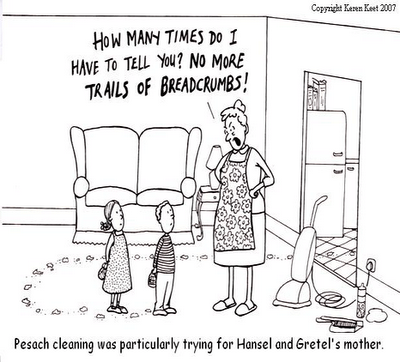
Hoy nos encontramos apenas una semana antes de Pesaj y la mayoría de mis amigos judíos están limpiando febrilmente cada grieta y grieta de todo lo que se pueda imaginar que sea Jametz. ¡Todos sus platos se guardan y los platos y utensilios Kosher para Pesaj se sacan de donde se mantuvieron libres de contaminación durante el año pasado! (Si no conoce la palabra Jametz, consulte aquí). Yo personalmente estoy empezando, un artículo al día durante los próximos días. Y no, no separo mis platos y utensilios para las vacaciones. Después de lavarlos, ¡no puedo imaginarlos con Jametz untados! Hoy limpié la nevera. Mañana limpiaré la estufa. Y despues…

Aquí nuevamente vemos donde se ha colocado valla tras valla para proteger lo que se dio en el Sinaí. De hecho, algunas de estas vallas se han convertido en muros tan altos que no se puede ver más allá de lo que se dio originalmente, ni podemos entender por qué. ¡Probablemente deberíamos atravesar algunas de esas vallas para poder vislumbrar la Torá original!

Una de estas leyes con múltiples vallas que se han construido alrededor del Sinaí se encuentra en la estricta observancia de Pesaj.

He estado en casas que cubren todo incluso los sofás con papel de aluminio. Me pregunto: ¿creen entonces que YHVH no ve a través del papel de aluminio? ¡Caramba! Cada pedacito de harina, cada uno de los cinco granos enumerados por, no, no la Torá, pero lo has adivinado, los libros rabínicos deben sacarse de la casa o venderse a una organización judía que los venderá a algún gentil que no conocemos. Ni siquiera lo sé.

Y ésta es la laguna jurídica. Simplemente guarde todo en una habitación o armario cerrado y véndalo a su rabino. Es decir, pagarle a Jabad o a cualquier otro grupo ortodoxo para que lo vendan a un gentil y luego lo vuelvan a comprar después de Pesaj. Parece un gran plan para hacerse rico rápidamente, si las ganancias de más de 25 dólares por persona judía en el mundo van a los bolsillos de las instituciones ortodoxas. ¿A cuánto ascendería si los 10 millones de judíos que se estima en el mundo ganaran siquiera 10 dólares cada uno por vender el Jametz de su pueblo? ¡Eso equivale a 10 millones de dólares!

Pero, por supuesto, SI la Torá lo ordena, será mejor que paguemos por ello. ¿Pero lo hace?

En realidad, la Torá no permite la venta del Jametz. Debe ser desechado o sacado de la propiedad de uno. Y también debemos ver que se ha pasado por alto algo. ¡Todos los Gerim de la tierra también debían limpiar para Pesaj! Mire de cerca el siguiente versículo de Éxodo 12:

“…porque si alguno come leudado, será cortado de la congregación de Israel, sea extranjero (Ger) o natural de la tierra. Éxodo 12:19”

Miremos el hebreo:

שִׁבְעַת יָמִים שְׂאֹר לֹא יִמָּצֵא בְּבָתֵּיכֶם כִּי כָּל־אֹכֵל מַחְמֶצֶת וְנִכְרְתָה הַנֶּפֶשׁ הַהִוא מֵעֲדַת יִשְׂרָאֵל וּבְאֶזְרַח הָאָרֶץ׃

Así que hay un lugar para los gentiles en la Tierra de Israel, ¡pero no son compradores legítimos de Jametz! Quizás más adelante necesitemos estudiar quién es el Ger, pero el Ger no es un judío nacido en casa. Y ciertamente no un converso. Elijo verlos como los trabajadores que vienen a Israel para apoyar la agricultura y el cuidado que se requiere. También deben guardar muchas de las leyes de la Torá.

También necesitamos ver que muchas cosas que no son Jametz se dice que lo son. Uno son los cinco granos. La Unión Ortodoxa explica lo siguiente:

“Si uno de los cinco granos (trigo, cebada, centeno, avena y espelta) permanece en agua durante más de 18 minutos, se convierte en jametz, y uno no puede comerlo, obtener beneficios ni poseerlo en Pesaj. Además, los Ashkenazim no comen kitniyot – un grupo de alimentos que incluye (entre otras cosas) arroz, maíz, soja y sus derivados – pero se les permite poseer alimentos kitniyot en Pesaj”. De OUKosher, consulte aquí.

Pero ¿qué dice realmente la Torá?

Levítico 23:5-6: “En el mes primero, a los catorce días del mes por la tarde, será la pascua de YHVH. Y el día quince del mismo mes es la fiesta de los panes sin levadura a YHVH; siete días comerás pan sin levadura”.

Éxodo 12:15-20: “Siete días comerás panes sin levadura; el primer día quitaréis la levadura de vuestras casas, porque si alguno come leudado desde el primer día hasta el séptimo, esa persona será eliminada de Israel. El primer día celebraréis un día santo. asamblea, y el séptimo día santa asamblea; en esos días no se hará ningún trabajo; pero lo que cada uno debe comer, eso sólo lo podéis preparar vosotros. Y guardaréis la fiesta de los panes sin levadura, porque en este mismo día saqué a vuestros ejércitos de la tierra de Egipto; por tanto, guardaréis este día por vuestras generaciones, como ordenanza para siempre. En el mes primero, el día catorce del mes por la tarde, comeréis panes sin levadura, y así hasta el día veintiuno del mes por la tarde. Por siete días no se encontrará levadura en vuestras casas; porque cualquiera que coma algo leudado, será cortado de la congregación de Israel, ya sea es un extranjero o un nativo de la tierra. Nada con levadura comeréis; En todas vuestras habitaciones comeréis panes sin levadura”.

Veamos el principio subyacente. “Nada con levadura no comerás”. NO dice que se deben desechar las cosas que puedan fermentar, como los cinco granos o lo que llaman Kitniyot (arroz, maíz, soja). ¿Cómo puedes imaginar que la soja creará levadura para que se vuelva comestible con solo humedecerse? Es cierto que aumentan de tamaño cuando los remojas y los cocinas, pero esto no es levadura, es una expansión normal. La levadura es la que hace que la harina suba y cree pan con levadura. La regla simple es no leudar la harina de ningún tipo de grano. Deshacerse de la levadura (la levadura). Ahora bien, ¿cuál fue el proceso de fermentación original? La masa madre era la forma en que se leudaba el pan en Egipto. La levadura seca activada moderna era desconocida en aquel momento. Sin embargo, sí califica como levadura para obras de la misma manera. En cuanto al proceso de fermentación del antiguo Egipto:

“Debido a que la masa madre consiste en un proceso de fermentación espontánea, sin duda puede considerarse la forma primordial de levadura del pan. Se cree que el uso de masa madre como levadura para pan se desarrolló en el antiguo Egipto aproximadamente en el año 3000 a.C. y desde allí se extendió gradualmente a Europa, a lo largo de la antigua Grecia y el Imperio Romano hasta la actualidad.

El trigo y otros cereales cultivados en el valle del río Nilo se utilizaban en el antiguo Egipto para fabricar panes con levadura a gran escala, suficiente para alimentar a miles de personas al día; Esto se ve respaldado por el descubrimiento de pan desecado y numerosas imágenes murales del proceso de elaboración del pan en tumbas antiguas”. De Ciencia Directa. Mira aquí.

Por lo tanto, se debe desechar toda la masa madre, lo cual es un poco inconveniente porque luego se espera hasta después de Pesaj para comenzar un nuevo lote. De lo contrario, el entrante tendría que colocarse fuera de su propiedad y no atenderse hasta después de la semana de Pesaj.

¿Qué pasa con la cerveza?

Algunos piensan que esto es discutible… Pero la cerveza se elabora con levadura. Y si alguna vez has comido pan de cerveza, estarás de acuerdo en que leuda la masa. Así que la cerveza definitivamente está descartada. No, no comemos cerveza, pero la gente la bebe, que es básicamente ingerirla, que es lo que haces cuando comes. También es cuestionable la levadura de cerveza, que es un subproducto de la elaboración de la cerveza. Es una levadura, aunque no sirve para leudar el pan.

Hay otras cosas que la OU enumera como prohibidas para quienes celebran la Pascua. El vinagre figura en la lista porque está fermentado. Pero el vinagre no es levadura ni sirve para levantar la masa.

Y la fermentación no es levadura. Sólo en el caso de que la fermentación de la harina realmente genere levadura, pero esto es un proceso largo como en el proceso de elaboración del pan de masa madre.

Suena bastante simple, simplemente no coma nada que contenga agentes leudantes. Sin levadura, sin masa madre, ni bicarbonato de sodio ni polvo para hornear. Esto significa nada de pan, pasteles o galletas, ni cerveza. Hay muchos agentes leudantes que se utilizan en patatas fritas y galletas saladas. Asegúrate de leer los ingredientes. ¡Y mirar todas las etiquetas de ingredientes en hebreo puede llevarme un día más!

Pero más allá de la alimentación, aún queda mucho por hacer. No debe haber levadura en la casa, ni en la propiedad personal de uno, ya sea su oficina en el centro o el garaje donde estaciona su automóvil.

Ahora bien, antes de que nos volvamos locos limpiando debajo del refrigerador, o volteando el sofá para ver qué hay dentro de las grietas, recordemos que la Torá enfatiza varias veces que se trata de no comer levadura. Nunca te comerías las migas que encontrarías debajo de los muebles. Y aunque sugeriría limpiar el refrigerador de todos los restos y migas de pan y pasteles y hacer una limpieza profunda del horno y la parrilla, puedes evitar el escrutinio de un mes y la compra de utensilios y platos nuevos que acabas de usar para Pesaj. La limpieza básica necesaria para Pesaj y la Semana de los Panes sin Levadura no debería llevar tanto tiempo. Después de todo, ¡realmente NO es ciencia espacial!

Y la elaboración de matzá, ¿desde cuándo necesitamos la regla de 18 minutos antes de que la harina comience a fermentar (nuevamente, no se trata de fermentación, se trata de levadura)? Entonces, lo que aprendimos antes sobre la masa madre: que se necesita tiempo para crear levadura, en realidad es cuando la mezcla de harina y agua crea levadura, que dura más de un par de días. Al tercer o cuarto día, la masa madre puede funcionar, pero generalmente se requiere hasta una semana de alimentación para crear la levadura que hace crecer el pan. No levantará la masa durante los primeros días después de mezclar la harina con agua. Así que dejemos de lado la idea de que la masa fermentada se leuda. La fermentación no es lo mismo que la levadura a menos que cree un tipo de bacteria que se convierta en levadura, lo que ocurre después de un largo período como en el caso de la masa madre.

Los israelitas llevaron su masa envuelta a su primer campamento donde cocinaron su pan sin levadura durante esa primera semana de pan sin levadura. Puede que tenga acidez pero no estaba leudado. Gracias a este ejemplo, podemos estar seguros de que la regla de los 18 minutos para la matzá es sólo una frustración rabínica creada para los judíos.

Así que aquí nos acercamos a Pesaj y la semana de los Panes sin Levadura. Mantengámoslo sin ir a los extremos: ¡no es necesario limpiar dentro de los bolsillos de la chaqueta de invierno favorita de su esposo! Ni debajo del refrigerador!

Simplemente no dejes nada leudado en su propiedad, no la vendas ni la vuelvas a comprar… ¡¡De verdad!!

¡Por favor ayuda a apoyar mi canal dándole me gusta, compartiéndolo, comentando y siguiéndome!

Gracias,

Ariela

Ayudenme con mi sitio web en compartir, comentar, gustar y en seguirme…Click abajo en el enlace:

Follow Take Hold the Tzitzit on WordPress.com

K.I.S.S. Cleaning before Pesach

Today we find ourselves just a week before Pesach and most of my Jewish friends are feverishly cleaning every crack and cranny of everything that can be imagined to be Chametz. All of their dishes are stored away and Kosher for Pesach plates and utensils are brought out of where they have been kept free of contamination for the past year! (If you don’t know the word Chametz, See Here). I personally am just starting, one item a day for the next few days. And no, I do not separate my plates and utensils for the holiday. After washing them, I can’t imagine them to have Chametz smeared on them! Today I cleaned the fridge. Tomorrow I will clean the stove…

Well, tomorrow is here and I cleaned both of my ovens and as I cleaned them, I realized that if you cause leaven to be rendered unusable, you destroy it. And that means that it has no more power to leaven anything. Therefore, if you clean the oven with chemicals or heat it to a high temperature, there is no chance that leavening will remain in any kind of active form. So I cleaned it well, but I could not get every dark spot off of the roof of the oven and I am not worried.

In regards to cleaning for Pesach, again we see where fence upon fence has been placed to protect what was given at Sinai. In fact some of these fences have become walls so high you cannot see past them to what was originally given, nor can we understand why. We probably should crash through some of those fences so we can catch a glimpse of the original Torah!

One of these multi-fenced laws that have been built around Sinai is found in the strict observance of Pesach.

I have been in homes that cover everything including the sofas with aluminum foil. I ask myself, so do they think that Hashem does not see through tin foil? Good grief! Every bit of flour, every one of the five grains listed by, no not the Torah, but you guessed it, the Rabbinic books must be taken out of the house or sold to a jewish organization who will sell it on to some gentile we don’t even know. 

And this is the loophole. Just put everything in a closed room or cupboard and sell it to your rabbi. That is, pay to Chabad or any other Orthodox group to have them sell it to a gentile and then buy it back after Pesach. Seems like a great-get rich quick plan, if the proceeds at $25 plus per Jewish person in the world goes into the pockets of the Orthodox institutions. How much would it come to,  if the estimated 10 million Jews in the world earn even $10 each to sell their people’s Chametz? That comes to 10 million dollars!

But of course, IF the Torah commands it, we had better pay for it. But does it? 

Actually the Torah makes no allowance to sell the Chametz. It is to be discarded or taken out of one’s’ property. And also we must see that something has been overlooked. All of the Gerim in the land were to clean for Pesach as well! Look closely at the following verse from Exodus 12:

“…for if any one eats what is leavened, that person shall be cut off from the congregation of Israel, whether he is a sojourner (Ger) or a native of the land. Exodus 12:19”

Let’s look at the Hebrew:

 שִׁבְעַת יָמִים שְׂאֹר לֹא יִמָּצֵא בְּבָתֵּיכֶם כִּי כָּל־אֹכֵל מַחְמֶצֶת וְנִכְרְתָה הַנֶּפֶשׁ הַהִוא מֵעֲדַת יִשְׂרָאֵל בַּגֵּר וּבְאֶזְרַח הָאָרֶץ׃

 So there is a place for the gentile in the Land of Israel, but they are not legitimate buyers of Chametz! Perhaps later we need to study who is the Ger, but the Ger is not a homeborn Jew. And certainly not a convert. I choose to see them as the workers who come to Israel to support the farming and caregiving that is required. They also are to keep many of the laws of Torah.

Also we need to see that a lot of things that are not Chametz that are claimed to be. One is the five grains. The following is claimed by the Orthodox Union:

“If one of the five grains – wheat, barley, rye, oats and spelt – sits in water for more than 18 minutes it becomes chametz, and one may not eat, derive benefit from or own it on Pesach. In addition, Ashkenazim don’t eat kitniyot – a group of foods which includes (among other things) rice, corn, soy and their derivatives – but are allowed to own kitniyot foods on Pesach.” From OUKosher, see here.

But what does the Torah actually say?

Leviticus 23:5-6: “In the first month, on the fourteenth day of the month in the evening, is YHVH’s passover. And on the fifteenth day of the same month is the feast of unleavened bread to YHVH; seven days you shall eat unleavened bread.”

Exodus 12:15-20: ”Seven days you shall eat unleavened bread; on the first day you shall put away leaven out of your houses, for if any one eats what is leavened, from the first day until the seventh day, that person shall be cut off from Israel.On the first day you shall hold a holy assembly, and on the seventh day a holy assembly; no work shall be done on those days; but what every one must eat, that only may be prepared by you. And you shall observe the feast of unleavened bread, for on this very day I brought your hosts out of the land of Egypt: therefore you shall observe this day, throughout your generations, as an ordinance for ever.

In the first month, on the fourteenth day of the month at evening, you shall eat unleavened bread, and so until the twenty-first day of the month at evening. For seven days no leaven shall be found in your houses; for if any one eats what is leavened, that person shall be cut off from the congregation of Israel, whether he is a sojourner or a native of the land. You shall eat nothing leavened; in all your dwellings you shall eat unleavened bread.”

Let’s look at the underlying principle. “You shall eat nothing leavened.” It does NOT say that things that might ferment, like the five grains, must be discarded or what they call Kitniyot (rice, corn, soy). How can you even imagine that soybeans will create leavening so that they become edible just by becoming damp? It is true that they increase in size when you soak and cook them, but this is not leavening–this is normal expansion. Leaven is that which causes flour to rise and create leavened bread.  The simple rule is to not leaven the flour of any type of grain. Get rid of the leavening (the yeast).  Now what was the original leavening process? Sourdough was the way bread was leavened in Egypt. Modern activated dry yeast was unknown at the time. However it does qualify as leavening for works the same way. So concerning the ancient Egyptian leavening process:

So all of one’s sourdough starter must be discarded, which is a bit inconvenient because you then wait until after Pesach to start a new batch. Otherwise the starter would have to be placed outside your property and not attended until after the week of Passover. 

What about beer?

Now some think this is debatable.. But beer is made with yeast. And if you have ever eaten beer bread, you will agree that it leavens the dough. So beer is definitely out. No we don’t eat beer, but people drink it which is basically ingesting it which is what you do when you eat food. Also the brewer’s yeast which is a by product after the making of beer, is questionable. It is a yeast, though it does not serve to leaven bread. 

There are other things that are listed by the OU as no-nos for those who keep passover. Vinegar is listed because it is fermented. But vinegar is not leaven, nor is it used to raise dough. 

And fermentation is not leavening. Only in the case of when fermentation of flour actually creates yeast as in the process of making sourdough bread. 

So it sounds pretty simple, just don’t eat anything with leavening agents. No yeast, no sour dough starter, and no baking soda or baking powder. This means no bread, cakes or cookies, nor beer.  There are a lot of leavening agents used in chips and crackers. Be sure to read the ingredients. And looking at all the ingredients labels in Hebrew may take an extra day for me!

 But, beyond food, there is more to be done. There should be no leavening found in the house, nor in one’s personal property, be it your office downtown or the garage where you park your car. 

Now, before we go crazy cleaning out from under the refrigerator, or tipping over the sofa to see what is down inside the cracks, let’s remember that the Torah stresses several times that it is about not eating leaven. You would never eat the crumbs that you would find under the furniture. And though I would suggest cleaning the fridge from all bread and cake remnants and crumbs and doing a deep clean on the oven and grill, you can avoid the month long scrutiny and the purchase of new utensils and plates just used for Pesach. The basic cleaning needed for Pesach and the Week of Unleavened Bread should not take that long. After all, it really is NOT rocket science! 

And the making of Matzoh, since when did we need the rule of 18 minutes before the flour would start to ferment (again it isn’t about fermentation, it is about leavening)? So what we learned earlier about sourdough– that it takes time to create yeast, is actually when the flour and water mixture creates yeast which is more than a couple of days. By the 3rd or 4th day, the sourdough may work, but usually up to a week of feeding it is required to create the yeast that raises the bread. It will not raise your dough during the first few days after mixing the flour with water. So let’s let go of the idea of fermented dough being leavened. Fermentation is not the same as leavening unless it creates a type of bacteria that turns into yeast, which happens after a long period as in the case of sourdough.  

The Israelites carried their dough wrapped up to their first encampment where they cooked their unleavened bread during that first week of unleavened bread. It may have soured but it was not leavened. Because of this example, we can be sure that the 18 minute rule for Matzoh is just a created rabbinic frustration for Jews. 

So here we are coming up to Pesach and the week of Unleavened Bread. Let’s Keep it Simple Stupid–no heavy duty cleaning inside the pockets of your husband’s favorite winter jacket!

Just don’t leave anything leavened on the property, don’t sell it nor buy it back– Really!!

And here is the promised link to Karaite Matzah! Enjoy!
https://www.nehemiaswall.com/karaite-matzah-recipe

Please help support my channel by liking, sharing, commenting and following me!

Thanks,

Ariella

Follow Take Hold the Tzitzit on WordPress.com

Strong as a Dead Lion–Then What?

Painting by a Highschooler named Uri in Katzrin, Israel

At the time before there was a king in Israel, Samson arose as a judge and spent his life wiping out the Philistines, one episode after another. After having killed a lion with his bare hands, he later came upon the carcass and it was full of bees which had made honeycomb and was dripping with the sweet honey. From this experience he thought of a riddle with which to trick the Philistines that should attend his wedding to a beautiful Philistine woman.

“…Out of the eater came forth meat, and out of the strong came forth sweetness…” Judges 14:14

Do we remember that the Philistines occupied in part what today is called Gaza? The town of Timnah, where the wedding was to take place, was located a few miles east of what today is Gaza.  

It comes to mind that Judah was called a lion in the blessing given to him by his father, Jacob. Judah was to hold the kingship of Israel and rule like a lion. But what we see today is appearing to be an almost dead lion. What will happen if the lion is killed? What then? Will sweetness come from the carcass? Let’s look a little deeper. 

What we see in modern Israel is a political government that is not concerned with its mandates from its covenant the God of Heaven. This is the lion we see trying to fight with all the worldly power it can muster, trying to satisfy the different nations that supply weapons and yet subjugate themselves to the foreign policy of nations who care nothing for Israel–those who wield world power at the touch of a switch, and we see our nation “going along to get along.” Perhaps this lion will die. Then what?

Could we even imagine that something could happen then to help Israel in its most trying time? Is there Anyone watching this struggle? Anyone in the Heavens who might just be ready to take the reins when all seems lost? Will there yet be a sweetness that exudes from this dead lion? Wouldn’t it be better if we were not looking to might and power but to something else?

“Then he answered and spoke unto me, saying, This is the word of the LORD unto Zerubbabel, saying, Not by might, nor by power, but by my spirit, saith the LORD of hosts.” – Zec 4:6

Few know what it means to depend on El Shaddai, and even those may wring their hands in fear of what is coming upon the world and especially what will happen to those in this land given and  promised to God’s people. It is mandatory that we take heart at this time. 

It will get very ugly before it gets over. Maybe it should get over, the sooner the better. We need to stop being led by those who think like the world thinks, however wise that may seem. What if we had pure faith (Emunah if you will) in YHVH and His great power? Will He let us down? Where are we in the line up of what is happening to bring about the Divine plan for this world? How does Israel play a part in this? Do we fight like the nations, or do we march out with trumpets blowing when we hear a sound in the mulberry trees? 

“And it shall be, when you hear the sound of marching in the tops of the mulberry trees, then you shall advance quickly. For then the LORD will go out before you to strike the camp of the Philistines.” – 2Sa 5:24.

But we are a long way from that type of trust. Why do we tremble? Is it because we have never seen the Hand of Providence guiding our lives? Is it because we remember pogroms, Holocaust, and the Kristanacht? Where was God during those times? Maybe somehow we were in the wrong places or worse yet, that we were not listening to Him? 

Maybe these terrible tragedies should tell us something. Maybe we need to step back and ask who we are following in our religion? Who wrote the instructions? When did we deny our Creator to go after a strange doctrine? 

The way I see it is that we follow the nations because we believe there is more wisdom and skill than that offered by the ONE who made a Covenant with us about land and protection and about raising us up to be a Holy Nation. 

What would happen if we really knew the God of Israel? Would He come alongside and win the war for us so that we could go out with tambourines and march (dance perhaps) to the sound in the myrtle trees?

Judah, “you’ve come a long way, Baby” but maybe in the wrong direction. 

In hopes of a new day after the storm…

Ariella

Please like, share, comment to help promote my efforts.

Follow Take Hold the Tzitzit on WordPress.com