
Parsha Koraj–6 Julio 2024

La Rebelión de Koraj (Números 16:1-18:32)

El libro de Números, ya sea que revele eventos dados en secuencia real o no, revela varias rebeliones del pueblo de Israel mientras aún estaba en el desierto. Están las quejas por la falta de agua y luego las murmuraciones pidiendo alimento “sustancial” además del maná; están las dudas de Mirian sobre la autoridad de Moisés y su posterior separación del campamento durante siete días. Está el hombre que claramente recogió leña para encender un fuego en sábado. Luego sigue la historia del malvado informe de los 10 espías y la consiguiente rebelión. Ahora asistimos a otro levantamiento y revuelta catastrófica. Varios levitas, primos de los hijos de Aarón, se sienten ofendidos por ser excluidos del sacerdocio, y vemos cómo esto nuevamente conmueve a todo el pueblo de Israel. Vemos la forma en que YHWH maneja la rebelión, destruyendo por completo a quienes instigaron el caos y a sus seguidores; Koraj, Datán y Abiram y 250 más que eran líderes de la congregación. Después, comienza una plaga entre la gente y 14.700 más son destruidos.

Al examinar los relatos de estas rebeliones escritos uno tras otro, veo que Israel tiene problemas para seguir su liderazgo divinamente designado. Uno se preguntaría cómo alguien podría involucrarse en una revuelta después de tantos años de esclavitud en Egipto, donde, bajo el látigo, recibieron órdenes de malvados capataces y las siguieron con precisión. ¿Donde si desobedecían, el resultado era la muerte? Cuando, después de una salvación milagrosa de la mano de Faraón, se relajan en una atmósfera de misericordia y protección de Dios y son guiados por su líder designado, Moisés, quien estuvo dispuesto a morir por el pueblo, adoptan la actitud de mimados, niños con derechos (al igual que la sociedad hoy en día) y se rebelan ante cualquier cosa que suponen que ha pisoteado sus derechos. Ahora rechazan la disciplina, son un pueblo testarudo (Exo 32:9). Lo que los ha hecho así es un misterio y continúa en nuestro mundo hoy. ¿Por qué alguien se rebelaría cuando todo está a tu favor? Fueron liberados de Faraón en el Mar Rojo, tenían alimento provisto diariamente, tuvieron protección del sol y del frío por una nube que les sigue en sus viajes, tuvieron un lugar de adoración ya preparado. Se les da protección contra Egipto y las otras naciones. Quizás lo único que no tuvieron era trabajo duro. Quizás ese sea el problema o parte de él. Cuando eran esclavos, no tenían tiempo para pensar, ni para quejarse y quejarse. Quizás esta sea la razón del mandamiento del sábado que declara: “seis días trabajarás”, que puede ser el secreto del verdadero descanso. Tenían demasiado tiempo libre y lo emplearon dudando y quejándose en lugar de construir su nueva sociedad. Las malas decisiones conducen al desastre.

En la historia de hoy, figuren Koraj, un Levita y sus amigos, Datán y Abiram y On.

“Y Koraj, hijo de Izhar, hijo de Coat, hijo de Leví, y Datán y Abiram, hijos de Eliab, y On, hijo de Pelet, hijos de Rubén, tomaron hombres: y se levantaron delante de Moisés. , con algunos de los hijos de Israel, doscientos cincuenta príncipes de la asamblea, famosos en la congregación, varones de renombre:” (Números 16:1-2)

“Y se juntaron contra Moisés y contra Aarón, y les dijeron: Vosotros tomáis demasiado sobre vosotros, siendo santa toda la congregación, cada uno de ellos, y YHWH está en medio de ellos; por tanto, os levantéis sobre los congregación de YHWH? Y cuando Moisés lo oyó, cayó sobre su rostro:” (Números 16:3-4)

La rebelión se abordó rápidamente, resultaba en la muerte no sólo de Koraj y sus dos amigos, sino también de los otros 250 a quienes se les ordenó quemar incienso en braseros. El terreno mismo se abrió y se tragó a los tres cabecillas y todo lo que poseían, incluidas esposas, hijos y pertenencias. Los 250 partidarios fueron consumidos por un fuego de YHWH.

Es fácil decir que tal vez el castigo fue demasiado duro. ¿Cómo afrontaríamos esto hoy, cuando casi todos los países han eliminado la pena de muerte? Antes, la traición solía conllevar la pena de muerte. ¡Quizás por eso el mundo se ha vuelto loco hoy! Seamos amables con los que se rebelan, al fin y al cabo, ¡sus sentimientos también importan más que la paz de la sociedad! Pero, afortunadamente, esta no fue la forma en que Dios manejó las cosas; tal vez nos hemos desviado mucho de la manera en que Dios obra en este mundo.

Lo que realmente sorprende de esta historia, es que el resto del pueblo, con su historia de rebelión, es decir, el maná, el informe de los espías y la rebelión de Koraj, protagonizaron una revuelta, alegando que Moisés y Aarón habían matado al pueblo de YHWH.

“Pero al día siguiente toda la congregación de los hijos de Israel murmuró contra Moisés y contra Aarón, diciendo: Habéis matado al pueblo de YHWH. Y aconteció que cuando la congregación se reunió contra Moisés y contra Aarón, miraron hacia el tabernáculo de reunión; y he aquí, la nube lo cubrió, y apareció la gloria de YHWH.” (Números 16:41-42)

¿Cómo podría alguien creer que el asesinato de los tres cabecillas y sus 250 cohortes fue una maniobra inventada por Moisés y Aarón para mantener su liderazgo? ¿Estaba la gente completamente loca? ¿Cómo habría abierto Moisés la tierra y se habría tragado a estos hombres y sus familias? ¿Qué tal el incendio que vino y quemó el 250? De donde vino eso? ¿Creían que Moisés era un mago y que al rebelarse podrían obtener lo que querían y reemplazarlo?

En ese momento comenzó una plaga entre el pueblo y Moisés ordenó a Aarón que interviniera, saliendo entre el pueblo con su brasero e incienso. Y la plaga se detuvo después de que 14.700 personas murieran.

Para mostrar finalmente el liderazgo de Aarón el Cohen Gadol y sus descendientes directos, YHWH da una señal. Le dice a Moisés:

“Habla a los hijos de Israel, y toma de cada uno de ellos una vara según las casas de sus padres, y de todos sus príncipes, según las casas de sus padres, doce varas; escribe el nombre de cada uno en su vara. Y tú escribirás el nombre de Aarón en la vara de Leví; porque una vara será para los jefes de las casas de sus padres, y las guardarás en el tabernáculo de reunión delante del testimonio, donde me reuniré contigo. Y sucederá que florecerá la vara del hombre que yo escoja, y haré cesar de mí las murmuraciones de los hijos de Israel con que murmuran contra vosotros. (Números 17:2-5)
“Y aconteció que al día siguiente Moisés entró en el tabernáculo del testimonio; y he aquí, la vara de Aarón para la casa de Leví reverdeció, y produjo renuevos, y floreció en flores, y dio almendras. … Y YHWH dijo a Moisés: Trae de nuevo la vara de Aarón delante del testimonio, para que sea guardada como señal contra los rebeldes; y quitarás de mí sus murmuraciones, para que no mueran.” (Números 17: 8, 10).
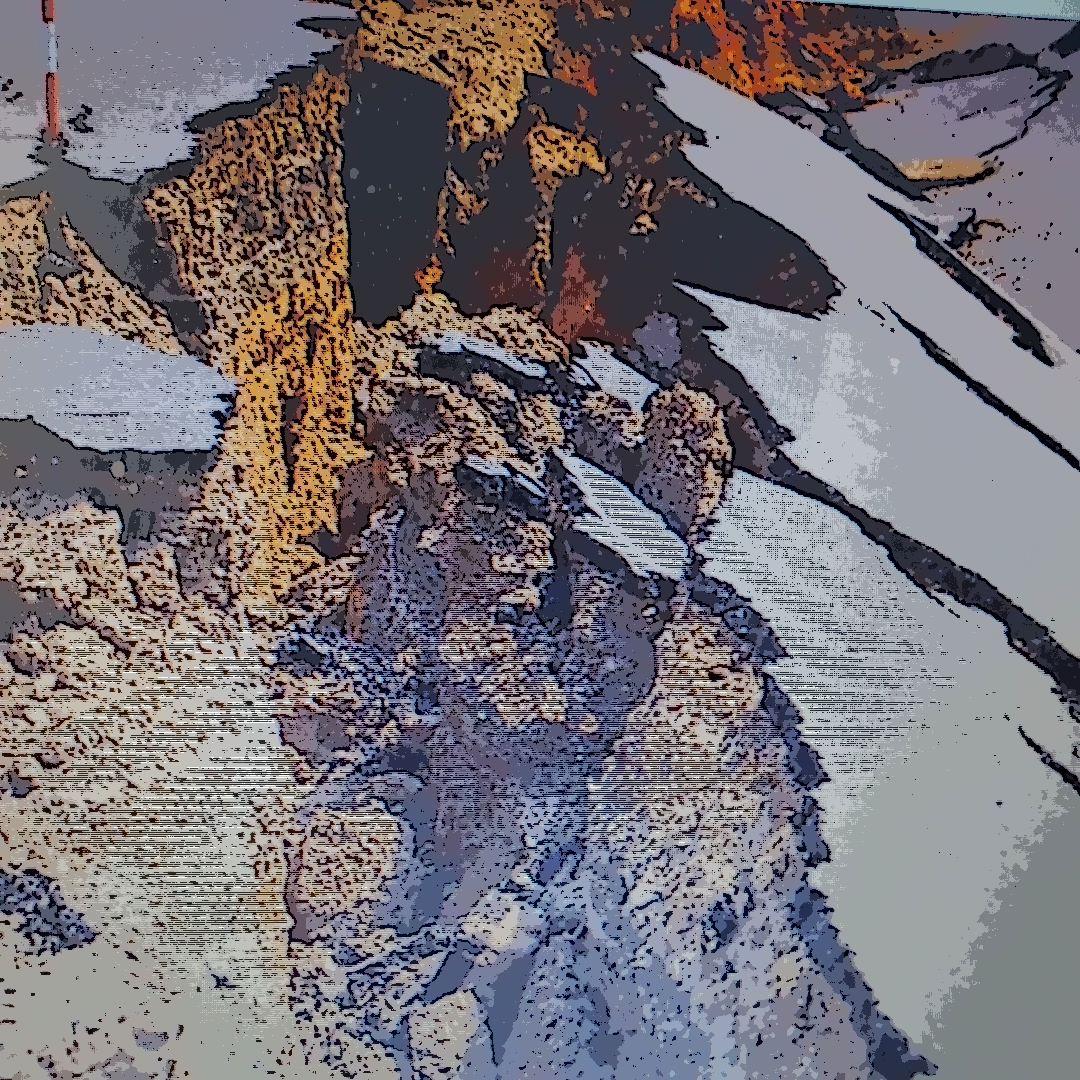
¿Pero qué vemos hoy? No tenemos un templo santo, solo tenemos sinagogas. La mayoría de los judíos religiosos no han aceptado realmente la Torá de Moisés, sino su propia sustitución, a la que llaman Torá Oral (o tora shebal peh). ¿No es esto nuevamente un movimiento similar al de Koraj para destronar a Moisés y al Dios del Universo? Creo que todo el caso de persecución de los judíos desde la destrucción del Templo tiene que ver con una Torá Oral erudita babilónica y un rechazo de la única religión verdadera establecida en el Sinaí. Pero pocos saben lo que pasó en Babilonia y a pocos, si es que a alguno, les importa. ¡Quizás necesitemos algún terremoto para abrir la tierra nuevamente!

Parsha Korach — 6 July 2024

The Rebellion of Korach (Numbers 16:1-18:32)

The book of Numbers, whether it reveals events given in actual sequence or not, reveals several rebellions of the people of Israel while still in the desert. There is the complaining about lack of water, then murmuring for “substantial” food other than the manna; there is Miriam’s doubting of Moses’ authority and her subsequent seven-day separation from the camp. There is the man who clearly gathered wood to build a fire on the Sabbath. Then follows the story of the evil report of the 10 spies and the consequent rebellion. Now we see another catastrophic uprising and revolt. Several Levites, cousins of Aaron’s sons, are offended that they should be excluded from the priesthood, and we see how this again stirs up the entire people of Israel. We see the way YHWH handles the rebellion, completely destroying those who instigated the chaos and their followers; Korach, Dathan and Abiram and 250 more who were leading men of the congregation. Afterward, a plague starts among the people and 14,700 more are destroyed. 

As I examine the accounts of these rebellions written one after the other, I see that Israel has a problem following their divinely-appointed leadership. One would wonder how any could become involved in revolt after so many years of slavery in Egypt, where under the whip, they took orders from evil task masters, and followed them precisely? Where, if they disobeyed, the result was death?  When, after a miraculous salvation from the hand of Pharaoh, they relax in an atmosphere of God’s mercy and protection and are led by His designated leader, Moses, who himself was willing to die for the people, they take on the attitude of spoiled, entitled children (much like society today) and rebel at whatever they assume has trampled their rights. They now refuse discipline, they are a stiff-necked people. What has made them this way is a mystery and continues in our world today. Why would anyone rebel when you have everything going for you? You were delivered from Pharaoh at the Sea of Reeds, you have food provided daily, you have protection from the sun and the cold by a cloud that follows you on your travels, you have a ready-made place of worship. You are given protection from Egypt and the other nations. Perhaps the only thing you do not have is hard labor. Maybe that is the problem or part of it. When they were slaves, they had no time to think, no time to grumble and complain. Maybe this is the reason for the Sabbath commandment that declares: “six days you shall labor,” which may be the secret of real rest. They had too much time on their hands and spent that time in doubting and complaining rather than building up their society. Bad choices lead to disaster. 

In today’s story, Korach a cousin of Aaron, and his two friends, Dathan and Abiram and On who were Reubenites, rebel.

“Now Korach, the son of Izhar, the son of Kohath, the son of Levi, and Dathan and Abiram, the sons of Eliab, and On, the son of Peleth, sons of Reuben, took men: And they rose up before Moses, with certain of the children of Israel, two hundred and fifty princes of the assembly, famous in the congregation, men of renown:” (Num 16:1-2)

“And they gathered themselves together against Moses and against Aaron, and said unto them, Ye take too much upon you, seeing all the congregation are holy, every one of them, and YHWH is among them: wherefore then lift ye up yourselves above the congregation of YHWH? And when Moses heard it, he fell upon his face:” (Num 16:3-4)

The rebellion is swiftly dealt with, resulting in the death of not only Korach and his two friends, but the 250 others who were ordered to burn incense in fire pans. The ground itself opened up and swallowed the three ringleaders and all that they owned, including wives,, children and belongings. The 250 supporters were consumed by a fire from YHWH. 

It is easy to say that maybe the punishment was too harsh. How would we deal with it today, when almost every country has done away with the death penalty? Treason used to carry the death penalty. Maybe this is why the world has gone mad today! Let’s be kind to those who rebel, after all, their feelings matter too! But this was not the way God handled things–perhaps we’ve wandered a long way from God’s ways of dealing in this world. 

What really is surprising about this story, is that the rest of the people, with their history of rebelling, i.e., the manna, the report of the spies, and the rebellion of Korach, they staged a revolt, claiming that Moses and Aaron had killed the people of YHWH. 

“But on the morrow all the congregation of the children of Israel murmured against Moses and against Aaron, saying, Ye have killed the people of YHWH. And it came to pass, when the congregation was gathered against Moses and against Aaron, that they looked toward the tabernacle of the congregation: and, behold, the cloud covered it, and the glory of YHWH appeared.” (Num 16:41-42)

How could anyone believe that the killing of the three ringleaders and their 250 cohorts was a maneuver trumped-up by Moses and Aaron to maintain their leadership? Were the people completely mad? How would Moses have made the ground open and swallow these ringleaders? How about the fire that came and burned up the 250? Where did that come from? Did they think Moses was a magician and that by rebelling they could get what they wanted and replace him? 

At this point, a plague began among the people and Moses commanded Aaron to intervene, going out among the people with his fire pan and incense. And the plague stopped after 14,700 had died. 

To finally show the leadership of Aaron the Cohen Gadol and his direct descendants, YHWH gives a sign. He tells Moses:

“Speak unto the children of Israel, and take of every one of them a rod according to the house of their fathers, of all their princes according to the house of their fathers twelve rods: write thou every man’s name upon his rod. And thou shalt write Aaron’s name upon the rod of Levi: for one rod shall be for the head of the house of their fathers. And thou shalt lay them up in the tabernacle of the congregation before the testimony, where I will meet with you. And it shall come to pass, that the man’s rod, whom I shall choose, shall blossom: and I will make to cease from me the murmurings of the children of Israel, whereby they murmur against you.” (Num 17:2-5)

“And it came to pass, that on the morrow Moses went into the tabernacle of witness; and, behold, the rod of Aaron for the house of Levi was budded, and brought forth buds, and bloomed blossoms, and yielded almonds. … And the LORD said unto Moses, Bring Aaron’s rod again before the testimony, to be kept for a token against the rebels; and thou shalt quite take away their murmurings from me, that they die not.” (Num 17: 8, 10).

But what do we see today? We have no holy temple, we have only synagogues. The majority of religious Jews have not truly accepted the Torah of Moses, but rather their own substitution, which they call Torah. Is this not again a Korach like movement to dethrone Moses and the God of the Universe? I believe the whole case of persecution of Jews ever since the destruction of the Temple has to do with a Babylonian learned Oral Torah and a rejection of the one true religion established at Sinai. But few know about what happened in Babylon and few, if any, care. Perhaps we need some earthquakes to open the ground again!