Going up to the Mountain

My Journey to the Temple Mount

by Ariella Golani

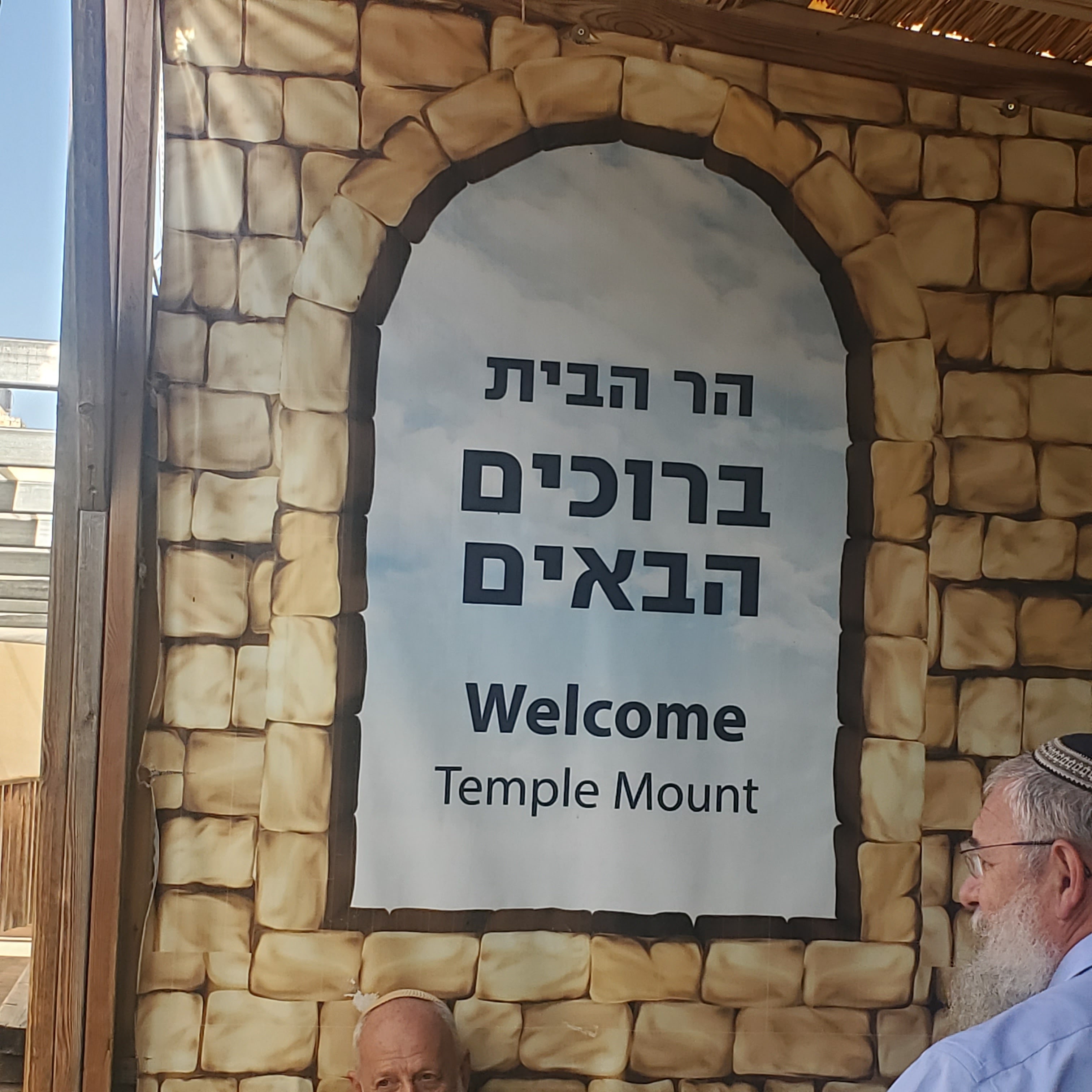
I have had what I refer to as “lock-down syndrome” over the last five years. It all started with the physical lock-downs forced by the governments during the time of the Corona Virus and then from the October 7 massacre and onward in Israel, we had the constant pressure to stay near home just in case bombs should target our town. My friend, Judy in Tzfat  invited me dozens of times to meet her in Jerusalem and go together to Har HaBeit (the Temple Mount) to make our presence felt and to pray for the restoration of the Temple and the land of Israel. I had not been to Jerusalem for 5 years when I visited the Kotel (Western Wall).. It was 35 years before that when I actually went up to the Mountain. And at that time, the presence of Jews on the site was not welcome. With the continual insistence of Jews with the Temple in heart and mind, the place has begun to allow prostration in at least one place and prayers, though no siddurim (prayer books) are allowed. 

The appeals from several sick friends and relatives kick started my journey! I got myself out of bed at 4:30 in the morning to meet the 6 a.m Jerusalem bus. The case of my Hispanic friends in Central and South America has been heavy on my heart for some time. Many of these descended from diaspora Jewish “conversos” (people who became Catholic to save their lives). After the inquisition in Spain and Portugal found many of these fleeing to the Americas and other places. I know some who have personally left Christianity, which was passed down to them by their ancestors, who were threatened with torture and death by these countries. Alas, many of their descendants don’t have paperwork to show who they are. All they have is the knowledge that something inside them is crying out to return to the land and people of Israel. This unspoken cry, unfortunately, is not heard by political governments, nor the state of Israel. For these conversos to come to Israel they have to do the impossible: convert to an accepted form of Judaism, which is extremely expensive, costing thousands of dollars and then there is little assurance that the Israeli rabbinate will accept them. 

Countries such as Cuba have no Israeli embassy to appeal to and the people live from bread crust to bread crust barely surviving, thus the idea of conversion or even a visitor’s visa for 3 months to Israel is completely out of the question. So one of my prayers which I bore on my heart and wrote on a scrap of paper which I tucked into the Western Wall (Kotel) was for an open door to the Hispanic diaspora “Conversos”–those who truly desire to return to the land of our ancestors. 

It was a long bus ride. Highway 90 traverses Judea and Samaria (known by the world as the West Bank). The bus moved down the dry hills until we saw a glimpse of the Dead Sea and then turned West towards Ma’ale Adumim, the last town before the barrier between the embattled area and Jewish domain. At the barrier (like a border crossing) two soldiers entered the bus. One stood in front by the driver, in case trouble broke out, as the other walked down the aisle inspecting the rows of passengers for anything that might raise suspicion. As we forged on through the gate to climb the hill up to Jerusalem, the traffic got more and more heavy. The bus was delayed almost an hour, but fortunately, Judy was willing to come meet me at the exit of the light rail which runs from the Central station to many parts of Jerusalem. 

We boarded a #38 bus which took us close to the Kotel from where the boarded tunnel passage climbs up to the top of Har HaBeit. Because Judy goes nearly every week, the guards know her so that we were not scrutinized beyond the first metal detector. 

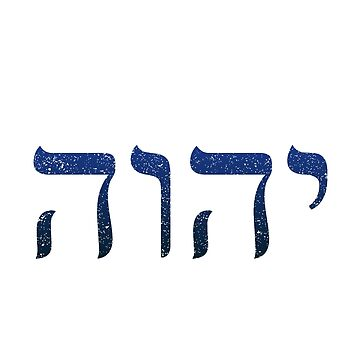
It is disheartening to realize how much the Mount itself has been desecrated by those who do not respect the place that HaShem (YHVH) chose to place his name and which has been the holiest place on earth, having housed two of our Holy Temples which were destroyed by Israel’s enemies: Babylon and then Rome. According to history, the Holy Presence of our God had left the first temple because of the disobedience of our forefathers. In Ezekiel 7:20-25 the prophet described the departure of the Divine Presence from the first Temple (Go to verses.)

When Jonathan’s wife gave birth after he was killed along with King Saul, she exclaimed: This was about the Mishkan in Shilo, before the building of the first Temple, but shows that the ark of God must be present in the Temple.

“The glory has departed from Israel, for the ark of God has been captured.” 1Sa 4:22

There was never a resurgence of the Divine Presence in the second temple after the exile. Why?

“The Jewish historian Josephus records that when the Roman general Pompey entered the Holy of Holies in 63 BCE, he found an empty room, as the Ark of the Covenant was long gone. This absence of the Ark, the physical manifestation of God’s presence in the First Temple, is often interpreted to mean the divine presence was no longer there in the same way.” Ai Google.

The hope of many in Israel is that soon, God will return to this Place and we will see the end of war and the hatred that has so long dogged the path of the Jewish people. That Jews will become the promised Light to the nations, prophesied by the prophet Isaiah:

“I, YHVH, have called thee in righteousness, and will hold thy hand, and will keep thee, and give thee for a covenant of the people, for a light of the Gentiles;” Isa 42:6

As we entered the boarded up tunnel walkway, we were accompanied by policemen in black uniforms, some Arabs, some Jews. Our instruction was that there were to be no prayer books and there were only certain places we could incline and pray. Other places were considered as offensive to the Muslims if Jews were allowed. We saw ancient pillars and steps and remnants of what once was, but for the most part the solid golden dome over the mosque was at the center of everything and which can be seen from almost everywhere in or around Jerusalem. 

My heartfelt cry for the restoration of this place brought about  another prayer–that the Eternal forgiving God of our ancestors would remember His promise to Abraham, Isaac and Jacob and return to comfort His people Israel and once again make His Presence known, and to dwell in this Holy Mountain which has been desecrated through the last nearly 2.5 millennia. Again, we ask, why? Why did the Divine Presence not return to the Second Temple? Had something been lost in the exile to Babylon? Had a new religion taken the place of the one taught on Sinai? And did this religion in some way create customs and tradions of its own so that the Jews did not need the Eternal to rule them? 

As we neared the end of our circuit around the top of the mountain, we saw steps that had remained from times of the Second Temple. I stepped up on one where I was able to say the Oseh Shalom prayer quietly. 

“Oseh shalom bimromav”: May He who makes peace in high places.
“Hu ya’aseh shalom aleinu”: Make peace for us
“V’al kol Yisrael”: And for all Israel
“V’imru: amen”: And let us say, amen
עֹשֶׂה שָׁלוֹם בִּמְרוֹמָיו, הוּא יַעֲשֶׂה שָׁלוֹם עָלֵיֽנוּ וְעַל כָּל יִשְׂרָאֵל, וְאִמְרוּ : אָמֵן.

At one point the men and women on the tour separated and some of us lay flat on the ground face down with our heads and hands stretched out toward where the Most Holy Place would have stood. There was an amazing feeling of light and peace there. It was almost as if the Divine Presence  was hovering somewhere near. It is a place every Jew with a heart to be One with our People and One with God should be. It is the true home of the Jewish people and the ten tribes of Israel.  I truly believe it is the presence and prayers of the humble and contrite, who seek their God, that will bring back the Holy Fire to the Temple Mountain. 

I was loath to leave, but the tour was over and the policemen urged us towards the exit. I think we were there only 30 minutes. We then descended to the Kotel below and there I  placed my scraps of paper with prayers written for different people and causes. 

I bade goodbye to Judy and awaited another friend, Miriam who soon came to accompany me as I sat before the wall. After she prayed, we washed our hands in the fountain at the exit, and headed to find a bus to the terminal so that we might return to our homes in the Golan Heights. 

This will not be the last time I make this journey. It was a day of remembrance, and tired as I was on the journey of three buses and two trains, it well worth it. Gone is the locked-down feeling that has kept me stuck for so long!

“If I forget thee, O Jerusalem, let my right hand forget her cunning.”  Psa 137:5 

Parashat Jayé Sarah (La Vida de Sara)

Génesis 23–25:13

La parashá de esta semana comienza con las palabras: “Y la vida de Sara fue de ciento veintisiete años” (Génesis 23:1). Ella, Sara, murió y Abraham la lloró.

Abraham Llora y Negocia

Vemos a Abraham profundamente afligido por la pérdida de su esposa, Sara, quien había sido su compañera desde que dejaron Ur de los Caldeos, donde él la tomó por esposa antes de viajar con Téraj y Lot hacia la tierra de Canaán. Se detuvieron en Jarán, una ciudad en lo que hoy es Turquía. Este viaje es de unos 950 kilómetros. Vivieron allí hasta que murió Téraj, el padre de Abraham (Gén. 11:30–31). Y entonces, el llamado de Dios a Abraham inició su viaje con su esposa, Lot y sus siervos hacia Canaán.

Sabemos por el relato bíblico del nacimiento de Isaac que Sara era 9 años menor que Abraham. Ella tenía 127 años cuando murió, dejando a Abraham con 136 años de vida y a su hijo Isaac con 36 años de edad.

Tumba de las Patriarcas Cortesía de Aish.com

Abraham, en medio de su duelo, se dio cuenta de que no tenía un lugar permanente para enterrar a Sara, y se levantó de junto a su amada para negociar con los hititas la cueva de Macpelá, que está en Hebrón, el área donde vivía Abraham en ese tiempo.

Se acercó a los líderes hititas y pidió comprarles un lugar de sepultura. Ellos le ofrecieron darle uno entre los mejores sitios, pero él se negó, diciendo que quería comprarlo. Está claro que Abraham conocía la mente engañosa de los cananeos y necesitaba una garantía de que no reclamarían de nuevo esa tierra después de su muerte. En ese momento pidió que intercedieran con el dueño de la cueva de Macpelá para que se la vendiera. Este también se la ofreció gratis, pero después de discutir la compra, Efrón, hijo de Zójar, acordó un precio de 400 siclos de plata y el trato quedó cerrado.

Nos surge una pregunta al mirar la historia de Israel y los problemas constantes con quienes reclaman la tierra: “¿Por qué la compró si ya se le había prometido?”

Por la historia sabemos que pasaron muchos años después de Abraham para conquistar completamente la tierra de Canaán. Luego del tiempo en Egipto—400 años—y 40 años en el desierto bajo el liderazgo de Moisés, comenzó la conquista de la tierra prometida con el cruce del Jordán y la caída de Jericó. Previamente, las tribus de Gad, Rubén y la media tribu de Manasés habían solicitado la fértil zona al este del Jordán, el Basán, y la conquistaron al rey Og de esa región. Pero esto les fue dado con el compromiso de luchar por el resto de Canaán hasta que fuera sometido.

Abraham tuvo que vivir únicamente con la promesa de la tierra, aunque él mismo solo podía confiar en esa promesa. Esto fue similar a la promesa de un hijo que sería una gran nación, por la cual esperó 25 años hasta el nacimiento de Isaac. Luego, con el llamado al monte Moriah, cuando se le dijo que ofreciera a Isaac, su fe fue puesta a prueba casi al límite de la resistencia.

Abraham conocía bien la mente de los habitantes de la tierra en aquel tiempo, que por cierto no ha cambiado mucho incluso en los tiempos modernos. Los últimos años de nuestra vida en Israel nos han mostrado la mentalidad del Medio Oriente como nunca hubiéramos imaginado. Israel lucha con sutileza. A veces no es evidente por qué la nación de Israel actúa como actúa. Ha habido acuerdos de paz e incluso entrega de tierras para mantener la paz, pero nunca funciona. ¡Quizás si el gobierno de Israel estudiara la vida de Abraham, Isaac, Jacob, Josué y la conquista de la tierra, lo entenderíamos mejor!

Lo triste es que muchos de los que reclaman la tierra son en realidad descendientes de Abraham a través de Ismael, de Esaú o de cualquiera de los otros hijos que Abraham tuvo con Cetura.

Génesis 25:1–4 habla de la descendencia de Cetura:

“1 Abraham tomó otra mujer, llamada Cetura.
2 Ella le dio a luz a Zimrán, Jocsán, Medán, Madián, Isbac y Súaj.
3 Jocsán fue padre de Seba y Dedán. Los hijos de Dedán fueron los ashurim, los letusim y los leumim.
4 Los hijos de Madián fueron Efá, Efer, Hanoc, Abidá y Eldáa. Todos estos fueron los hijos de Cetura.”

Problemas en el Medio Oriente

Si Abraham hubiese previsto los problemas que existirían a lo largo de la historia entre sus descendientes, ¡quizás no habría tomado otra esposa! Podría parecer fácil justificar que todos eran descendientes de Abraham y por lo tanto tenían derecho a la tierra. Sin embargo, Isaac fue el heredero especificado de la tierra que se prometió a Abraham. La promesa de la tierra y la promesa del hijo iban de la mano. Lo que Abraham creó por su propio impulso se convirtió en una maldición para sus descendientes.

Génesis 25:5–6:

“5 Abraham dejó todo lo que poseía a Isaac.
6 Pero a los hijos de sus concubinas les dio regalos y los envió lejos de Isaac, mientras él aún vivía, hacia el oriente, a la tierra del este.”

Hoy, cuando los verdaderos descendientes de Abraham, Isaac y Jacob han vivido en el exilio por más de 2500 años, debido a su propia desobediencia, el desafío de tomar lo que legítimamente es nuestro, enfrentando a las muchas naciones que buscan privarnos de esta herencia, resulta abrumador para muchos. Incluso nuestros supuestos aliados ven en nuestra debilidad una oportunidad para usurpar control sobre partes de la tierra. Gaza, aunque gran parte esté destruida, se ha convertido en una herramienta de negociación codiciada por los Estados Unidos. ¡No debemos sucumbir a esta manipulación!

¿Dónde está la promesa del Dios de Abraham? ¿Dónde está la fe de Abraham? ¿Cómo podemos “quedarnos de brazos cruzados” y retroceder de las victorias alcanzadas, confiando en los “carros y caballos” de las naciones que se jactan de tener más poder que Israel? ¿Dónde está el Dios de Israel?

Salmo 20:

“7 Unos confían en carros, otros en caballos, pero nosotros recordaremos el nombre de YHVH nuestro Dios.”

Isaías 31:

“1 ¡Ay de los que descienden a Egipto en busca de ayuda, confían en caballos, y se apoyan en carros porque son muchos, y en jinetes porque son muy fuertes! Pero no miran al Santo de Israel, ni buscan a YHVH.”

Ariella Golani

Parashat Chaya Sarah (The Life of Sarah)

Genesis 23 – 25:13

The Parsha for this week begins with the words “And the life of Sarah came to be one hundred and 27 years” Genesis 23:1: She, Sarah died and Abraham mourned.

Abraham Grieves and Bargains:

We see Abraham deeply grieved over the loss of his wife, Sarah who had been his companion ever since they left Ur of the Chaldees where he took her as wife before they traveled with Terah and Lot towards the land of Canaan. They stopped at Haran which was a city in what is modern Turkey. This is a trip of around 950 kilometers. They lived there until Abraham’s father Terah died. Gen. 11:30-31. And then the call of Abraham began his journey with his wife, lot and their servants towards Canaan.

We know from the Biblical account of the birth of Isaac that Sarah was 9 years younger than Abraham. She was, as it is stated 127 years old when she died leaving Abraham at 136 years of his life and her son Isaac at 36 years of age. 

Courtesy of Aish.com

Abraham, in the midst of mourning, realized that he had no permanent place to bury Sarah and got up from beside his loved one and went to bargain with the Hittites for the burial cave of Machpelah which is in Hebron, the area in which Abraham lived at the time. 

He approached the leaders of the Hittites and asked to buy from them a burial site. They offered to give him a place among the choices of sites, but he refused saying he wanted to buy it. It is clear that Abraham at this time knew the devious mind of the Canaanites and needed a guarantee that they would not reassume this land as theirs after his death. At this point he asked to have them intercede with the owner of the cave of Machpelah to sell it to him. He also offered it for free, but after arguing for the purchase, Ephron, son of Zohar, agreed upon 400 shekels of silver and the deal was done. 

The question arises to those of us who look back upon the history of Israel and the problems that have always existed with those who claim to own the land, “why would he buy it if it was already promised to him.” 

From history, we know that it took many years after Abraham to fully conquer the land of Canaan. After the time in Egypt, 400 years, and 40 years in the wilderness under the leadership of Moses, the beginning of the conquest of the promised land began with the crossing of the Jordan and the fall of Jericho. Previously the tribes of Gad, Reuben and the half tribe of Manassah had requested the fertile land east of the Jordan, the Bashan and conquered it from King Og of that area. But this was given to them based on their commitment to fight for the rest of Canaan until it was subdued. 

Abraham, had to live with the promise of the land, even though he himself could only trust this promise. This was similar to God’s promise of descendants that would be a great nation, and for which he waited for 25 years for the birth of Isaac. Then with the call to Mt. Moriah where he was told to offer up Isaac, his faith was tested almost to the edge of his endurance. 

Abraham knew well the mind of the residents of the land at that time, which by the way have not changed a lot even in modern times. The past few years of our life in Israel has showed us the mind of the Middle East like we would have never imagined it. Israel fights with subtlety. Sometimes it is not apparent why the nation of Israel does what it does. There have been peace agreements and land even given to keep peace, but it never works. Maybe if the government of Israel studied the life of Abraham, Isaac, Jacob, Joshua and the conquest of the land, we might get it. The sad thing is that many of those who lay claim to the land are actual descendants of Abraham through Ishmael or Esau or any of Abraham’s other sons whom were born to him by Keturah.

Gen 25:1-4 speaks of the offspring of Keturah:

“1 Then again Abraham took a wife, and her name was Keturah. 2 And she bare him Zimran, and Jokshan, and Medan, and Midian, and Ishbak, and Shuah. 3 And Jokshan begat Sheba, and Dedan. And the sons of Dedan were Asshurim, and Letushim, and Leummim. 4 And the sons of Midian; Ephah, and Epher, and Hanoch, and Abida, and Eldaah. All these were the children of Keturah.”

Trouble in the Middle East:

If Abraham had foreseen the trouble that would exist throughout History through his descendants, maybe he would not have taken another wife! It might be easy to justify that they were all descendants of Abraham and therefore had a right to the land. Yet, Isaac was specified inheritor of the land which was promised to Abraham. The promise of land, and the promise of a son, both went hand in hand. That which Abraham created on his own impulse became a curse to his descendants. 

Gen 25:5-6:

 “5 And Abraham gave all that he had unto Isaac. 6 But unto the sons of the concubines, which Abraham had, Abraham gave gifts, and sent them away from Isaac his son, while he yet lived, eastward, unto the east country.”

Now today, when the true descendants of Abraham, Isaac and Jacob have lived in exile for 2500+ years, owing to their own disobedience, the challenge to take what is rightfully ours facing the odds of the many nations that would deprive us of this inheritance, is overwhelming to most. Even our supposed allies see in our extremity an opportunity to usurp power over parts of the land. Gaza, though much of it is destroyed, has become a coveted bargaining tool for the United States. We must not succumb to this manipulation! 

Where is the promise of the God of Abraham? Where is the faith of Abraham? How can we sit on our hands, so to speak, and back off from the victories we have made, trusting the “chariot and horses” of the nations that boast more power than Israel? Where is the God of Israel?

Psa 20:

“7 Some trust in chariots, and some in horses: but we will remember the name of YHVH, our God.”

Isa 31:

 “1 Woe to them that go down to Egypt for help; and stay on horses, and trust in chariots, because they are many; and in horsemen, because they are very strong; but they look not unto the Holy One of Israel, neither seek YHVH!”

Parashat Vayera en Espanol

Génesis 18-22

Sodoma, la Promesa a Abraham, Ismael, Agar, Isaac, la Akedá… Gaza

Génesis 18–22 cubre mucho terreno. Probablemente hay suficiente material en cualquiera de los temas registrados en estos cuatro capítulos como para escribir un libro entero.


La visita de los ángeles a Abraham

En Génesis 18, YHVH se aparece a Abraham, y él ve pasar tres figuras mientras está sentado a la entrada de su tienda en “el calor del día”.
Génesis 17 relata la circuncisión de Abraham, Ismael y todos los varones de su casa. El capítulo 18 continúa con Abraham sentado a la entrada de su tienda. Muchos comentarios rabínicos dicen que Abraham aún sentía el dolor de la circuncisión cuando recibió a los visitantes. Sin embargo, esto no está claro en la lectura literal del texto.

En el capítulo 17:26 leemos:
“Así Abraham e Ismael su hijo fueron circuncidados en aquel mismo día.”
Por el contexto parece que Abraham se circuncidó a sí mismo y a su hijo Ismael el mismo día en que recibió el mandamiento. El resto de los siervos de su casa son mencionados después, por lo que podrían haber sido circuncidados más tarde. No queda claro que todos fueran circuncidados el mismo día, ni que Abraham estuviera sentado “en el calor del día” (según los rabinos, “calor” aludiendo al máximo dolor) el tercer día cuando llegaron los visitantes celestiales. Aquí no se menciona el tercer día.

El Talmud babilónico (Bava Metzia 86b) interpreta “en el calor del día” como una referencia al tercer día después de la circuncisión de Abraham, cuando tenía 99 años.

Lo que es posible entender de un texto no es necesariamente un hecho. Si nos mantenemos fieles al texto bíblico, quedarán preguntas sin respuesta que deben ser exploradas o aceptadas como tales.
¿Cuál sería el motivo para decir que YHVH visitó a Abraham el tercer día, cuando estaba en dolor extremo?

El texto muestra a Abraham corriendo al encuentro de los tres visitantes. ¿Cómo podría hacer esto si estaba sufriendo?

“Y Abraham alzó los ojos y vio tres hombres que estaban junto a él; y al verlos, corrió desde la entrada de su tienda para recibirlos, y se postró en tierra, y dijo: Señor mío, si he hallado gracia ante tus ojos, te ruego que no pases de tu siervo. Que se traiga un poco de agua, y lavad vuestros pies, y recostaos bajo el árbol. Y traeré un pedazo de pan para que confortéis vuestros corazones; después seguiréis vuestro camino.”

¿Por qué Abraham se dirige a los tres hombres en singular (“Señor mío” — Adonai en hebreo)?
El primer versículo del capítulo 18 dice:

“Y se le apareció YHVH a Abraham junto a los encinares de Mamré, mientras él estaba sentado a la entrada de su tienda, en el calor del día.” (18:1)

¿Se dirige Abraham a YHVH o a los tres hombres, dado que está en singular? ¿Reconoce a uno de ellos como YHVH y a los otros dos como ángeles?

Más adelante, después de que dos de los hombres se marchan, YHVH se queda con Abraham para negociar el destino de Sodoma y Gomorra. Parece que Abraham sabe perfectamente con quién debe hablar.

Vemos también a Abraham mostrando la hospitalidad típica del Oriente Medio: envía a su siervo a preparar un becerro y a su esposa a hacer panes de tres medidas de harina para poner ante sus invitados.
¿Qué fue exactamente lo que se sirvió en esta comida?


Leche y carne

“Y tomó mantequilla, leche y el becerro que había preparado, y los puso delante de ellos; y él se quedó de pie junto a ellos bajo el árbol, mientras comían.” (18:8)

¿Por qué Abraham sirve leche, mantequilla y carne en la misma comida? Está claro que la carne fue preparada aparte de los lácteos (no fue hervida en leche). Pero en el judaísmo moderno nunca se sirven juntos platos de leche y carne en una misma comida.
¿Cómo evolucionó esta regla estricta del judaísmo moderno a partir de un pasaje bíblico tan claro que aparentemente Abraham comprendía?

(La ley fue escrita tres veces en la Torá para que no la malentendamos: Éxodo 23:19, Éxodo 34:26, Deuteronomio 14:21).

¿Es posible que la ley sobre “no cocer al cabrito en la leche de su madre” no fuera conocida por Abraham?
Está claro que él no coció nada. Así que cuando Génesis 26 dice que Abraham conocía las leyes de la Torá, debe significar que tenía una comprensión más profunda que lo que hoy se entiende por Torá.
Entonces, ¿cómo evolucionó esta ley hasta su interpretación actual?


¿Guardó Abraham la Torá?

Génesis 26:5 — “Por cuanto Abraham oyó mi voz, y guardó mi ordenanza, mis mandamientos, mis estatutos y mis leyes.”
(La palabra hebrea para “leyes” es Torotai, de Torá).

Después de la comida, los dos hombres que estaban con YHVH partieron hacia Sodoma, y YHVH se quedó para hablar más con Abraham sobre sus planes de destruir la ciudad malvada.
Abraham intercede, rogando que no se destruyan los justos junto con los malvados, bajando la cifra de cincuenta hasta diez (v. 23). Luego, YHVH se va.


Diez hombres

De este pasaje, donde diez personas son el límite para la misericordia divina, surge la costumbre ortodoxa del minyán: se requieren diez hombres para interceder ante el Eterno en asuntos importantes, como el Kadish de duelo, el Yahrzeit o las bendiciones nupciales.
Si miramos el pasaje en Génesis, los diez se refieren a personas justas, no necesariamente hombres.
Y surge otra pregunta: ¿siempre es necesario tener diez personas para orar a YHVH en asuntos importantes?
Ciertamente, cuantas más personas justas oren, más serán escuchadas. Pero, ¿qué hay de Elías cuando llamó fuego del cielo? Él estaba solo.
¿Hay otros momentos en que Dios responde a una oración sin un minyán?


Isaac

En el capítulo 21 se cumple la promesa a Sara: ella da a luz a Isaac.
Su nombre significa “risa”. Es interesante que tanto Abraham como Sara rieron cuando se les dio la promesa.
El nombre de Isaac fue dado por YHVH antes de su nacimiento.
Cuando Abraham rió (17:17), preguntó cómo un hombre de 100 años y una mujer de 90 podrían tener un hijo.
En el capítulo 18, cuando los tres visitantes llegan, es Sara quien ríe (18:12), pero por miedo niega haber reído.
Ella se preguntó cómo, siendo tan mayor y con su marido anciano, podría volver a sentir placer.


Los ángeles visitan a Lot

En el capítulo 19, los dos ángeles llegan a Sodoma y Lot los invita a hospedarse.
Por la noche, la gente del pueblo intenta abusar de ellos, y Lot ofrece entregar a sus dos hijas vírgenes.
Los ángeles lo salvan de esta situación golpeando de ceguera a los hombres del pueblo.

¿Por qué haría un padre tal cosa, siendo el protector de su familia?
Más tarde, Lot no busca esposos para sus hijas, y ellas eligen el camino del incesto con su padre para tener descendencia.
Algunos dicen que estaban tan aisladas que no había hombres para casarse; otros, que temían unirse a los habitantes de la tierra.

Durante la huida de Sodoma, se les advirtió que no miraran atrás.
La esposa de Lot miró y se convirtió en una columna de sal.
¿Qué significa esto? ¿Fue literal, o una lección sobre no aferrarse con amargura al pasado?
¿Se rehusó ella a marcharse y fue alcanzada por el fuego? ¿Se retrasó cuando los demás huían?
¿Por qué miró atrás?


El destierro de Ismael

En el capítulo 21, cuando nace Isaac y es circuncidado, vemos a Sara pedir que Ismael sea expulsado con su madre, para que no comparta la herencia con Isaac.
Pero recordemos que fue por insistencia de Sara que Abraham tomó a Agar para tener un hijo.
Ahora que tiene un hijo propio, se vuelve contra ella y la expulsa por mandato divino.
El muchacho tenía más de 13 años, según la cronología: Abraham e Ismael fueron circuncidados cuando Ismael tenía 13; al año siguiente nació Isaac.
Ismael, ya adolescente, es descrito más adelante como un niño: Agar lo deja bajo un arbusto, agotado, para morir.
¿Cómo es posible? ¿Estaba tan abrumado por la tristeza que se dejó caer él mismo?
Cuando el ángel encontró a Agar, dijo que Dios había escuchado la oración del muchacho (21:17).
También le dio la promesa de que Ismael sería bendecido y formaría una gran nación.

Pocas generaciones después, fueron ismaelitas quienes compraron a José cuando sus hermanos lo vendieron.
Solo dos generaciones, y ya había suficiente enemistad como para vender a su propio pariente como esclavo.


¿Por qué la prueba de la Akedá?

Vemos que Abraham hace una alianza con Abimelec, lo que parece haber llevado a la prueba más difícil: la Akedá, el sacrificio de Isaac en el monte Moriah.
Dios probó a Abraham con una prueba casi inimaginable después de haber hecho un pacto con un poder extranjero.
La tierra no debía ser negociada; fue dada a Abraham.
¿Por qué entonces hace una alianza con Abimelec?
Mirando hacia atrás, conociendo las luchas de Israel con las alianzas, parece que Dios le estaba mostrando que si entregaba la tierra, sería como no tener descendencia —y eso mismo vemos aún hoy.

Curiosamente, Abimelec volvió a la tierra de los filisteos, que era Gaza.

“Y Abraham habitó largo tiempo en la tierra de los filisteos.” (21:34)

¿Por qué seguimos teniendo problemas con Gaza?
¿Comenzó todo con el pacto indebido que Abraham hizo con Abimelec?


¡Shabat Shalom!

Ariella


¿Quieres que te lo formatee como texto para boletín o folleto (por ejemplo, con títulos destacados y notas al pie en cursiva)? Puedo hacerlo fácilmente.

Parashat Vayera Genesis 18-22

Sodom, Promise to Abraham, Ishmael, Hagar, Isaac, Akeida…Gaza

Genesis 18-22, covers a lot of ground. There is probably enough material for a book on any of the topics recorded in these four chapters.

Angels’ Visit to Abraham:

In Genesis 18, YHVH appears to Abraham, and he sees three figures pass by the tent while he is sitting in the entrance in the “heat of the day”. Genesis 17 tells of Abraham circumcising himself, Ishmael and all the males of his household. Chapter 18 follows with Abraham sitting at the door of his tent. Many commentaries say that Abraham was still in the pain of the circumcision when the visitors came to him. This is not clear from the plain reading of the text.

In chapter 17:26 we read: “Thus Abraham and his son Ishmael were circumcised on that very day;” From the context it seems that Abraham circumcised both himself and Ishmael on the very day that he received the command to do so. The rest of the servants and staff of his household are mentioned afterwards and thus may have been circumcised a little later. It is not clear that they were all circumcised on the same day, nor is it clear that Abraham was sitting in the “heat” (“heat” according to rabbinic commentaries meaning maximum pain) on the 3rd day when the Heavenly visitors came. There is no mention of the 3rd day here.

 “Babylonian Talmud (Bava Metzia 86b), interprets “in the heat of the day” as a reference to the third day after Abraham was circumcised at the age of 99.”

What is a possible understanding of a text is not necessarily fact, as we often see when reading biblical texts and their commentaries. If we stay true to Biblical text, there will be unanswered questions which must be explored or accepted as unanswered. What would be the motive for saying that YHVH visited Abraham on the 3rd day when he was in extreme pain? 

The text shows Abraham running to meet the three visitors. How could he do this in the pain after circumcision?

 “And Abraham looked up and saw three men standing nearby. When he saw them, he ran from the entrance of his tent to meet them and bowed low to the ground.” My Lord,” said Abraham, “if I have found favor in your sight, please do not pass your servant by. Let a little water be brought, that you may wash your feet and rest yourselves under the tree. And I will bring a bit of bread so that you may refresh yourselves. This is why you have passed your servant’s way. After that, you may continue on your way.”

Why does Abraham address the three men as “my Lord” in the singular (Master–Adonai in Hebrew)? The first verse of chapter 18 says: 

“Then YHVH appeared to Abraham by the Oaksa of Mamre in the heat of the day, while he was sitting at the entrance of his tent.” 18:1

Does Abraham address YHVH or the three men since it is written in the singular? Does he recognize one of them as YHVH and the other two as angels? 

Later, after two of the men leave, YHVH stays with Abraham to bargain for the fate of Sodom and Gomorrah. It would appear that Abraham knows whom he must speak to. 

We see Abraham with typical Middle Eastern hospitality, send his servant to prepare a calf and his wife to make three portions of flour into bread to set before his guests. What was set before the guests in this meal? 

Milk and Meat:

“Then Abraham brought curds and milk and the calf that had been prepared, and he set them before the men and stood by them under the tree as they ate.” 18:8

Why does Abraham serve milk, curds and a calf at the same meal? It is clear that the meat was prepared separately from the milk, (it was not boiled in the milk). But in Modern Judaism, dishes made with milk are never allowed at a meal where meat is consumed. How has this bottom line rule of Modern Judaism evolved from a clearly written passage that apparently Abraham understood? (By the way the law was written three times in the Torah so we wouldn’t get it wrong. (Exodus 23:19, Exodus 34:26, Deuteronomy 14:21). 

Is it possible that the law about boiling a kid in its mother’s milk was not known by Abraham? It is pretty clear that he did not boil anything, so when Genesis 26 says that Abraham knew the laws of the Torah, it must mean he had a better idea of what it meant than what is known as Torah today. So how did this law evolve to what it is today? 

Did Abraham keep the Torah?

26:5  עֵקֶב אֲשֶׁר־שָׁמַע אַבְרָהָם בְּקֹלִי וַיִּשְׁמֹר מִשְׁמַרְתִּי מִצְוֺתַי חֻקּוֹתַי וְתוֹרֹתָי׃

Gen 26: “5 because that Abraham hearkened to my voice, and kept my charge, my commandments, my statutes, and my laws.” (The Hebrew for ” law” is Torah).

After the meal the two men with YHVH got up to journey to Sodom and YHVH stayed to speak more with Abraham about His plans to destroy the wicked city. Abraham bargains for the salvation of the city from 50 innocent, down to 10, that the judge of the earth be merciful–not slaying the righteous with the wicked (verse 23). And then YHVH left. 

Ten Men

From this passage which shows ten people as being the limit to God’s mercy, we have the declaration that an Orthodox minyan requires 10 men to intercede with the Eternal on important matters such as reciting the Mourner’s Kaddish or Yahrzeit or Wedding blessings. If we look at the passage in Genesis, the 10 referred to righteous persons not necessarily, men. And another question arises, is it always necessary to have 10 persons pray to YHVH on important matters? Certainly, from the standpoint of numbers the more righteous people pray the more they will be heard. But what about when Elijah called down fire from heaven? He was a lone voice. Are there other times when God answers prayers without a minyan? 

Isaac

In chapter 21 the promise to Sarah is fulfilled. She gives birth to Isaac. His name means laughter. Isn’t it interesting that both Abraham and Sarah laughed when the promise was first given to them? Isaac’s name was given by YHVH in advance of his birth. When Abraham laughed (Chapter 17:17), he asked how it might be that a man at 100 and Sarah at 90 could have a son? In chapter 18 when the three Strangers visited Abraham, it was Sarah’s turn to laugh (Chapter 18:12) but she was afraid and lied that she had not laughed. She asked how she having passed her child bearing age and her husband so old, should finally find enjoyment. 

Angels visit Lot

In chapter 19, the two angel messengers arrive at Sodom and are urged to stay with Lot. In the evening, the town’s people want to defile them, and Lot offers to surrender his two virgin daughters for the town to do as they wished. The angels then saved Lot from this harrowing encounter with the townsfolk by striking blindness upon those gathered outside. 

Why would this be right for a father to say if he stands as the protector of the family? Later, Lot did not seek husbands for his daughters, and they chose the path of incest with their father to be able to produce offspring. Some say they were so isolated that they didn’t ever encounter men available to marry. Maybe they were afraid to marry any of the inhabitants of the land.

Looking back at the escape from Sodom: when in the morning Lot, his wife and daughters were hurried out of the city, they were warned to hurry and not look back. Lot’s wife turned to a pillar of salt when she disobeyed. What does this mean? Was it a literal pillar, or was it a lesson in not having bitterness about leaving the past behind? Was she unwilling to leave and got caught by the fire that was falling? Did she lag behind when the rest of them were hurrying to safety? Why did she look back? 

Casting out Ishmael

In chapter 21, when Isaac is born and is circumcised, we see Sarah asking to have Ishmael cast out with his mother, so that he would not inherit anything that belonged rightfully to Isaac. But if we remember, it was at Sarah’s insistence that Hagar be taken to produce a son for Abraham. Now that she has a child of her own, she turns on Hagar who is extradited at God’s command and sent to wander with her son in the desert. The boy was more than 13, given the timeline of what had happened previously. Abraham and Ishmael are circumcised when Ishmael is 13, then the next year Sarah gives birth to Isaac, Ishmael is playing, perhaps mocking Isaac and Sarah tells Abraham to send them away. Ishmael, strangely is shown to be a child in the verses that follow. His mother lays him down under a bush to die. How is this possible, if he is a strapping lad of 14 or more? Was he in grief so overbearing that he wanted to die and thus lay down himself? When the angel found Hagar, he said that God had heard Ishmael’s prayer (21:17). He also gave her the promise that Ishmael would be blessed and grow to a great nation. 

Not many years hence it was the Ishmaelites that bought Joseph when his brothers decided to sell him. Only 2 generations had passed, and there was already animosity enough to sell their kinsman as a slave. 

Why the test of Akeida

We see Abraham making an alliance with Abimelech which later seems to have brought about the test of all time, the call for the Akeida on Mt. Moriah. God tested Abraham with an almost unimaginable test after making a covenant with a foreign power. The land was not to be bartered off. The land was given to Abraham, so why did he make a covenant with Abimelech? Looking back on this with knowledge of Israel’s struggles with alliances seems to reveal a that God was showing Abraham that if he gave the land away, he might as well not have descendants, and we see that happening all around us today. Curiously Abimelech returned to the land of the Philistines which was Gaza. 

“And Abraham resided in the land of the Philistines a long time.” (21:34)

Why are we still having trouble with Gaza? Was all this started with a wrongful covenant that Abraham made with Abimelech?

Shabbat Shalom!

Ariella