Parashat Chukat

Introduction by Ariella Casey

In the following articles, we focus on the Red Heifer of Parsha Chukat, Numbers 19:1-22:1. The first article explores some of the studied beliefs of Jewish sages, as well as gives over some of the thoughts of our guest author. The second article, also from Serafini’s research, is strictly Karaite. Your comments are appreciated.

By Guest author Nathanael Serafini

Parashat Chukat begins with the laws of the *parah adumah* – the red heifer – including the process necessary for preparing the waters of purification and the purification ritual itself. The Torah introduces the topic in this way: “This is the law of the Torah” (Numbers 19:2).

These words evoke an obvious exegetical question: why did the Torah not say “This is the law of the red heifer”? After all, the subject that follows consists of the laws of the red heifer, not the entirety of the Torah’s laws.

Additionally, if a person touches a dead human body, they are considered *tamei met* (impure from death) for seven days. During this period, such a person cannot enter the Beit Hamikdash (Holy Temple), and it goes without saying that they cannot participate in the sacrifices offered there. The person is purified again when they are sprinkled with water mixed with the ashes of the red heifer on the third and seventh days of their impurity.

The red heifer had to be of a very rare color, completely red and free of black (or white) hairs. Furthermore, no yoke was to have been placed upon the animal. This was no small feat in a country where cows were among the most used animals for fieldwork. Finding such a cow was evidently an arduous task, and when it was found, its price soared. Our Sages tell us that over the hundreds of years during which our nation lived on its land, the red heifer was discovered only a few times, after which it was slaughtered so that the ashes could be prepared.

Anyone reading this passage for the first time must find it perplexing. And even those who read it year after year may feel uneasy trying to interpret this law. What is this law supposed to be? Why ashes? Why a cow? And why did it have to be red?

We should not feel uneasy if we have never succeeded in understanding how – or why – this works. It is one of the most peculiar laws of the Torah, and even our Sages testified that it is a decree made by God Himself, a decree that surpasses human understanding. Nevertheless, we will try to make sense of it all and evaluate what lies behind this enigmatic subject.

Two teachings will help us understand the topic.

In one of these teachings, we can ask the following question: “Why were all the sacrifices male sheep or goats, while this one was a female cow?” In the Scriptures, the responsibility of motherhood is often associated with the faults of their children, for example in the case of Hagar with her son Ishmael (Genesis 21:10), and other matriarchs like Leah and Rachel held the same responsibility regarding their sons (Genesis 30:16). Although we Karaites have faith only in the Miqra (Tanakh), it is interesting to read for informational purposes the opinions of the midrashim that sometimes illustrate Torah concepts. In this regard, we find: “Let the cow come and atone for the sin of the calf” (Bamidbar Rabba 19:8).

It would therefore be appropriate to understand that the burning of the red heifer is symbolically on the same level as the sin of the golden calf and the impurity it produced, and we now ask the cow to wipe it away, in the sense of erasing, of making *teshuvah*. How do we do that? And what is the connection between these two things?

Why could the red heifer atone for the sin committed with the golden calf? Isn’t this sin scarlet red? Aren’t all sins scarlet red? So it is this symbolic red color of sin that gives the desired dimension to this “red” heifer. Life is found in the blood (Leviticus 17:11) and is carried by the blood, which is its home; it is the bearer of life but also an indicator of death, which comes to an individual who has played with life (Genesis 4:10). And when the ashes of the heifer are burned, they become white, as it is said: “Though your sins are like scarlet, they shall be as white as snow” (Isaiah 1:18).

These two symbols point us in the same direction: the sin of the golden calf is the most significant of all sins, especially since it was the first sin committed after the Torah was given at Mount Sinai. It serves as a model for other human failings. The essence of this failure is people’s attachment to a material and sensory world: in showing the golden calf, the people exclaimed: “These are your gods, O Israel” (Exodus 32:4).

The desire to cling to materialism has led us to imagine that material objects are what truly matter, while spirituality and the living soul are merely ephemeral phenomena. A confrontation with death could intensify this feeling: faced with death, man feels how ephemeral and arbitrary the physical world is.

Man might, unfortunately, come to think that material life is the foundation of our existence in the world, and that without the physical component, the world has no meaning. The feeling of emptiness one feels in the face of death is what the Torah calls *tumah* – impurity – and this is what the Torah attempts to eradicate. The red heifer reminds us that decay in the world is the product of sin.

What is eternal in man is shaped by his morality and by the model or image of the Creator that exists in each of us. By burning the red and turning it white, we are reminded that a person can correct their failures. Although these corrections are not enough to save a person’s life, the spiritual and moral aspects derived from the Creator are immortal.

This is why the section begins with the words “This is the law of the Torah.” This verse does not only address the laws of the red heifer. The true subject we are discussing is the essence of human life.

This life, do we place it under the control of the “red,” that is, of the materialistic, individualistic world, without faith or law? Or does each person understand that they have a vested interest in knowing what to do with the time allotted to them? Time that belongs to the timeless values of the Torah and the eternal divine spirit of the Creator, which is rooted in every human being He created and to whom He asks for an account, as a Judge full of mercy.


Nathanaël Serafini

The following article, also submitted by Nathanael Serafini, expresses a Karaite View from the Firkovich collection of Karaites of St. Petersburg 1876.

The Logic of the Red Heifer

Impurity is the consequence of the encounter between a living human and death. A stone cannot become impure because it has never known life. Death is the opposite of life, and the shock caused by encountering it shakes life. An Israelite is more impure than a non-Jew. Similarly, a woman who gives birth to a boy is impure for seven days because she carried a living body within her. When she gives birth to a girl, she is impure for two weeks because the girl herself has the potential to carry life. Her impurity is thus doubled.
The purification from the impurity of death is achieved through the red heifer by “resurrection.”
The Torah says: Warn the children of Israel to choose a heifer for you: A heifer – a female – a symbol of fertility, not a bull. The heifer gives life.
Red: the color of life.
Unblemished: perfect vitality.
Which has not yet borne the yoke: whose vitality has not been diminished.
You will give it to the priest Eleazar… it shall be slaughtered: the slaughtering is the annulment of life.
It is burned entirely: its skin, flesh, and blood, along with its dung, are burned. Absolutely everything.
Outside the camp: outside the place of life, where it is reduced to ashes. Ashes, unlike dust, do not coalesce and are not fertile. It is the absolute division.
Death also dominates the plant world. The largest tree is the cedar. The smallest is the hyssop. He shall take cedarwood, hyssop, and scarlet, and cast them into the fire burning the heifer (Num. 19:6). These are the extremes of the plant world. The heifer and the scarlet represent the extremes of the animal kingdom. The worm is what remains of man.
The maximum of life is reduced to the pinnacle of death.
A human being consists of a body and a soul. The body is like an earthen vessel, opaque. The soul is like a flow of living water. Man is a vessel containing living water.
We take the ashes, the trace of death, and resurrect them with living water – like the soul, in a vessel – like the body. That is why this water is used to purify from the impurity of death.
The mystery of the red heifer is elucidated.
If it is so simple, why did Solomon say: “I said, ‘I will be wise,’ but it was far from me” (Ecclesiastes 7:23), alluding to the mystery of the red heifer? It is because the key to the mystery is still distant. The transition from life to death and from death to life remains a mystery, as does the mystery of life within matter, as our sages, the Hakhamim, said: “Prodigious in action (creator) – who binds the spiritual to the material.”
Follow Take Hold the Tzitzit on WordPress.com

Israel, Isra-El? … Be Very Afraid!

By Ariella Casey

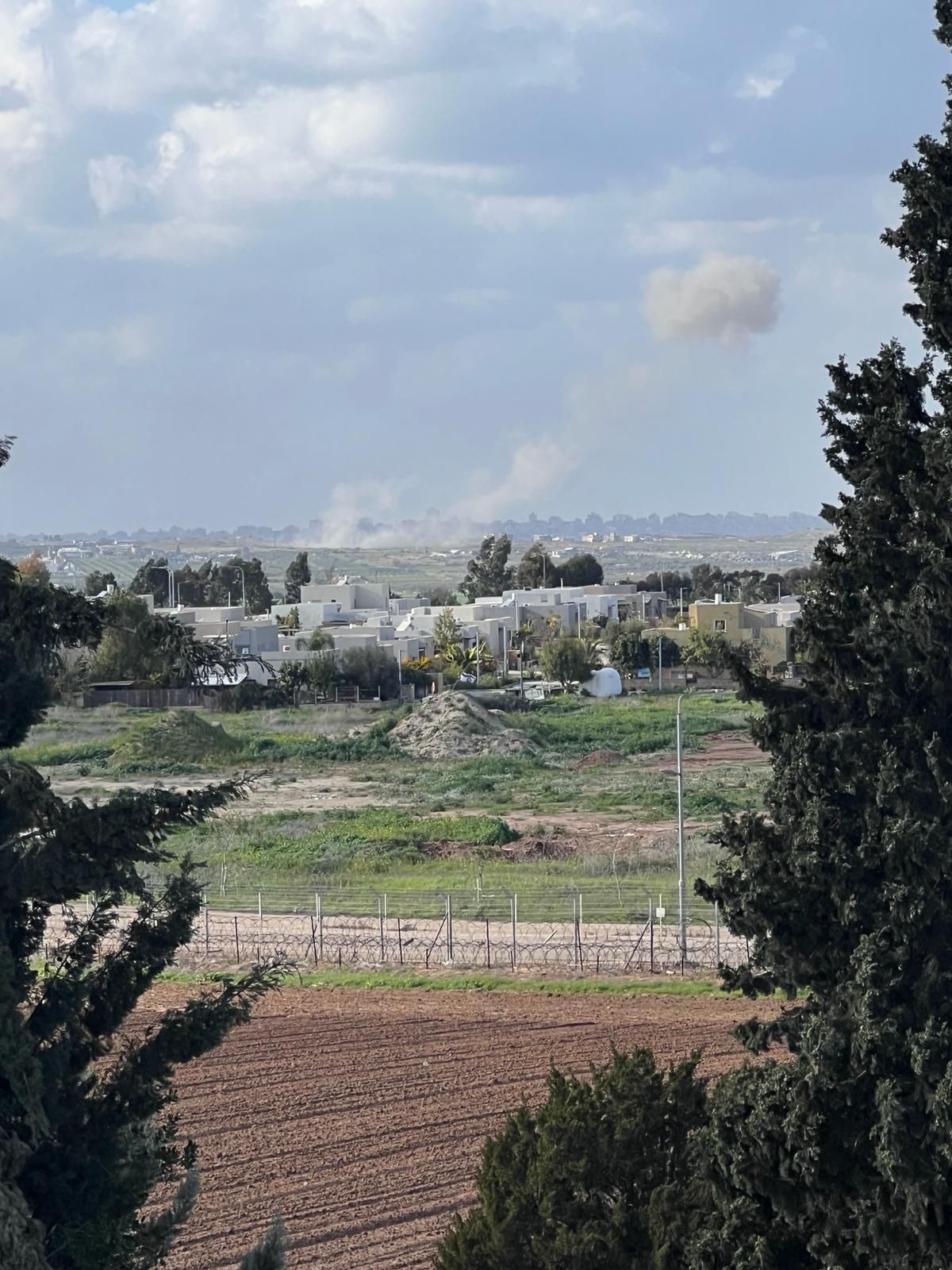
Israel is at war, a war in which the entire world credits Israel with genocide. Genocide has become the dirty label we have gained for fighting against those who slaughtered our innocents and continue to attack us! Most nations are angry with Israel, seemingly without a cause. What is fair for the goose is no longer fair for the gander! The world has been lassoed by Globalist hate-mongering Jew haters, haters of the Land of Israel and haters of anything established as Holy by the God of the Universe! Regardless of one’s connection to Judaism, there is a covenant that was made with the Land of Israel and this could be the dividing line between those who stand and those who fall in this mad universe! 

Yet those who know the Bible, know that anyone who hates the Covenant made with the Hebrews at Sinai, will hate the people of the Covenant and the Land of Promise. 

Continue reading

Who’s in Heaven Anyway?

Death and Immortality of the Soul

Recently I heard a friend comment about all the souls in Heaven that are watching the events on this earth–cheering for the progress in restoring the land of Israel and crying over all the mistakes made by our Government. I was shocked because the Bible, Tanakh, Old Testament if you will, do not say these things. It is clear that those who are dead take no part in what happens under the sun, nor do they even know when their sons come to honor or disgrace. There is no way any human that we know of other than Enoch and Elijah are out there watching us and the events that happen to us. Remember, this is based on the Hebrew Scriptures only. 

So let’s begin with a perusal of texts that relate to this topic. 

Genesis 2:7:: “Then the LORD God formed man of dust from the ground, and breathed into his nostrils the breath (soul) of life; and man became a living being.”

 וַיִּיצֶר יְהוָה אֱלֹהִים אֶת־הָאָדָם עָפָר מִן־הָאֲדָמָה וַיִּפַּח בְּאַפָּיו נִשְׁמַת חַיִּים וַיְהִי הָאָדָם לְנֶפֶשׁ חַיָּה׃

Gen 2:17””But of the tree of the knowledge of good and evil you shall not eat, for in the day that you eat of it you shall surely die.” ( or dying you shall die), 

וּמֵעֵץ הַדַּעַת טוֹב וָרָע לֹא תֹאכַל מִמֶּנּוּ כִּי בְּיוֹם אֲכָלְךָ מִמֶּנּוּ מוֹת תָּמוּת׃

The idea of dying “that same day” is something a lot of students of scripture have tried to wrap their heads around. The verse uses two words for death ( מוֹת תָּמוּת). This is found elsewhere in scripture. When the children of Israel were in the desert and had been complaining about many things, YHVH told Moses that many would die in the wilderness. 

Num 26:65 ”For the LORD had said of them, “They shall surely die in the wilderness.” There was not left a man of them, except Caleb the son of Jephunneh and Joshua the son of Nun.”

This passage also uses the two words that are translated “surely die” in some Bibles (מוֹת תָּמוּת). From both stories we see that physical death happened sometime later. But could it also mean that Adam and Eve, on that day became mortal, no longer having eternal life within them? At that point the element of eternal life had left them. 

But what actually happens when someone dies physically? This is really an important question and one that many religions state that only the body dies and stops breathing but the soul goes on living as an eternal element whether in Heaven or the other Place. But what does the Bible say? 

Is there evidence that the theory of the eternality of the soul is something that comes from paganism? When did this belief begin? I know that in Ancient Egypt, the mummified remains of rulers were buried with treasures and food for them to enter the afterlife. Not only Egypt, but Babylon, the cult of Osiris/Isis and the Greeks held this belief. See here.  It seems all pagan religions clung to this belief–the idea of an eternal life of the soul which elevated the senses to bliss or destined to them to hell and torment. But is this what the Bible says? Let’s look at all of this as we open this up for scrutiny.  The following verses deal with death and the grave:

Job 7:9-10 “[As] the cloud is consumed and vanisheth away: so he that goeth down to the grave shall come up no [more]. He shall return no more to his house, neither shall his place know him any more.”

Job 14:10, 14,15, 21, “But man dieth, and wasteth away: yea, man giveth up the ghost, and where [is] he? If a man die, shall he live [again]? all the days of my appointed time will I wait, till my change come. Thou shalt call, and I will answer thee: thou wilt have a desire to the work of thine hands. His sons come to honor, and he knoweth [it] not; and they are brought low, but he perceiveth [it] not of them.”

Sometimes people tell me that these verses are speaking of the wicked, not the righteous, but I don’t see any surrounding verses that suggest this. Notice in the verse above, Job is waiting for an appointed time. Trusting that God will remember him.  And mind you, Job is listed as one of the three most righteous men.

Eze 14:14: “even if these three men, Noah, Daniel, and Job, were in it, they would deliver but their own lives by their righteousness, says the Lord GOD.”

Psa 6:5 “For in death there is no remembrance of thee; in Sheol who can give thee praise?”

Again, no mention that there are two types of people with different conditions in death. In fact, the wicked would not be praising Yah anyway. 

Psalm 115:17: “The dead do not praise the LORD, nor do any that go down into silence.”

Psa 13:3 “Consider and answer me, O LORD my God; lighten my eyes, lest I sleep the sleep of death.” So here the Psalmist calls death a sleep. 

Once King Saul sought out a Spirit Medium (one who practices Necromancy) which had been forbidden by YHVH in the Torah (see here). He wanted to know the outcome of the battle with the Philistines.Deut 18:9-11 See Here.

Saul asked to have Samuel brought up for him to tell the future of the battle. Samuel said the following:

1Sam 28:15: “Then Samuel said to Saul, “Why have you disturbed me by bringing me up?” Saul answered, “I am in great distress; for the Philistines are warring against me, and God has turned away from me and answers me no more, either by prophets or by dreams; therefore I have summoned you to tell me what I shall do.”

Note that Samuel demanded, “Why have you disturbed me?” As we are seeing, Samuel was dead and no, he did not come down from heaven, he was awakened to speak to Saul and was not happy about it. YHVH clearly forbade communication with the dead. They are not to be woken up, disturbed. Saul paid dearly for his disobedience. Read the whole passage in the link above.

Psa 16:10 “For thou dost not give me up to Sheol, or let thy godly one see the Pit.”

Here it seems that maybe this verse, if taken alone, means that the righteous do not go down to Sheol, but notice that it says that the Eternal will not “give me up to Sheol.” Other versions, us the word “abandon my soul.” If the soul has the possibility of being abandoned to Sheol (the grave), then David is saying that he trusts that his soul will not remain there permanently. And how long is that? Until the resurrection according to Daniel 12 and other passages.

Psa 49:15 “But God will ransom my soul from the power of Sheol, for he will receive me.” [Selah]

What about the resurrection?

Why would YHVH even need a resurrection if He already has the souls of the good people with Him? The resurrection is a principle of faith for both Jews, see here,  as well as most Christian organizations, see here

In Job 19:25-27, Job speaks of waiting for the resurrection: “For I know that my Redeemer lives, and at last he will stand upon the earth; – and after my skin has been thus destroyed, then from my flesh I shall see God, – whom I shall see on my side, and my eyes shall behold, and not another. My heart faints within me!” See verse 25 in Hebrew below:

 וַאֲנִי יָדַעְתִּי גֹּאֲלִי חָי וְאַחֲרוֹן עַל־עָפָר יָקוּם׃

Again, what would be the purpose for Job to claim with faith that the Great Redeemer of souls would remember him in the final day upon the earth if there were no resurrection of the dead?

Daniel 12:1-2 “At that time shall arise Michael, the great prince who has charge of your people. And there shall be a time of trouble, such as never has been since there was a nation till that time; but at that time your people shall be delivered, every one whose name shall be found written in the book.- And many of those who sleep in the dust of the earth shall awake, some to everlasting life, and some to shame and everlasting contempt.”

Did you notice the words,” Sleep in the Dust”? Again we see that the dead are asleep, not wandering around either in Hell or in Heaven. But what returns to Hashem anyway?

And what about Isaiah?
Isa 26:19 “Your dead shall live; together with my dead body they shall arise. Awake and sing, you who dwell in dust; for your dew is like the dew of herbs, and the earth shall cast out the dead”

So, again, what returns to the Creator when one dies?
Eccl 12:6-7: “before the silver cord is snapped, or the golden bowl is broken, or the pitcher is broken at the fountain, or the wheel broken at the cistern, and the dust returns to the earth as it was, and the spirit (ruach) returns to God who gave it.” 

Notice the spirit (breath or ruach)  returns, not the soul.

 וְיָשֹׁב הֶעָפָר עַל־הָאָרֶץ כְּשֶׁהָיָה וְהָרוּחַ תָּשׁוּב אֶל־הָאֱלֹהִים אֲשֶׁר נְתָנָהּ׃

Psa 146:4 “When his breath departs he returns to his earth; on that very day his thoughts perish.” 

 תֵּצֵא רוּחוֹ יָשֻׁב לְאַדְמָתוֹ בַּיּוֹם הַהוּא אָבְדוּ עֶשְׁתֹּנֹתָיו׃

If his thoughts perish, he will not even know he is buried, nor would he know if he is in Heaven. 

Ecclesiastes 9:5-6, 10 “For the living know that they will die, but the dead know nothing, and they have no more reward; but the memory of them is lost. Their love and their hate and their envy have already perished, and they have no more for ever any share in all that is done under the sun. Whatever your hand finds to do, do it with your might; for there is no work or thought or knowledge or wisdom in Sheol, to which you are going.”

The following shows that souls are not ever existing and here even the souls of those who sin (which is all of us), die along with the body. Nobody is in hell suffering damnation, nor in Heaven enjoying paradise except for those such as Enoch, and Elijah whose stories of translation are written for us in the Tanakh. And they did not die first but were taken by the Creator. What was their purpose? I could speculate that they were taken as judges for the generation in which they lived. Are there others? There are no others written of in the Tanakh.  

Ezek 18:4, 20: “Behold, all souls are mine; the soul of the father as well as the soul of the son is mine: the soul that sins shall die.”

“The soul that sins shall die. The son shall not suffer for the iniquity of the father, nor the father suffer for the iniquity of the son; the righteousness of the righteous shall be upon himself, and the wickedness of the wicked shall be upon himself.”

Nefesh and Neshama: The body and the soul–(breath of YHVH) made a living being

Gen 2:7: “Then the LORD God formed man of dust from the ground, and breathed into his nostrils the breath (Neshama or soul) of life; and man became a living being.”

וַיִּיצֶר יְהוָה אֱלֹהִים אֶת־הָאָדָם עָפָר מִן־הָאֲדָמָה וַיִּפַּח בְּאַפָּיו נִשְׁמַת חַיִּים וַיְהִי הָאָדָם לְנֶפֶשׁ חַיָּה׃

Again we see this verse, but for the purpose of identifying the body and the soul as one unit once the breath of his Creator has been placed in his nostrils. 

Many take this to mean that the breath of G-d was actually the soul and it appears to so in this verse. But then why later when man dies, does only the Ruach (breath) return to God? Let me explain again. In Genesis 2:7, the Hebrew is clear that the Creator breathed a soul into Adam and he then became a living creature (Nefesh). So as we have seen above, when man dies only the breath (no not neshama–soul, but ruach–wind or breath) returns to the Eternal. However, and watch this train of thought closely, Adam was created with the potential of eternal life–He was an eternally existent soul. Then something changed when he and Eve ate from the tree of the Knowledge of Good and Evil. 

Gen 2:17 ”But of the tree of the knowledge of good and evil you shall not eat, for in the day that you eat of it you shall surely die.” 

We know that they ate of the tree and something happened to them at that time. My best research reveals that the first pair became mortal on that day. That means there was a change in the soul. No longer was the soul immortal. And so the question arises: If Adam and Eve were no longer immortal and this seems to be the death that was foretold as “in the day that ye eat thereof,” then this describes the change of the soul from immortal  to mortal. Immortality was lost. So then it would follow that the soul now was not able to return to the Creator in its defiled form. The body now was bound up with the soul and this combination (body and soul) would have to wait for the resurrection of the dead. It also suggests that there must be a judgment day which we must study at another time.

If we see again the verse in Ezekiel 18 above that says “the soul that sinneth, it shall die”, it is clear that not only the body dies, but that the soul that is chained to it dies also. After all it is now a mortal soul, not an immortal one. 

I hope this study comes across clearly. If not, please leave a question or comment in the comments section.

For another study, the subject of judgment and eternal reward and punishment must be saved for later. 

Blessings as we dig deeply into the mine of truth!

Ariella

Please share your comments with me, like and share with others and click on the link below to follow my studies. Thanks for your support!

Follow Take Hold the Tzitzit on WordPress.com