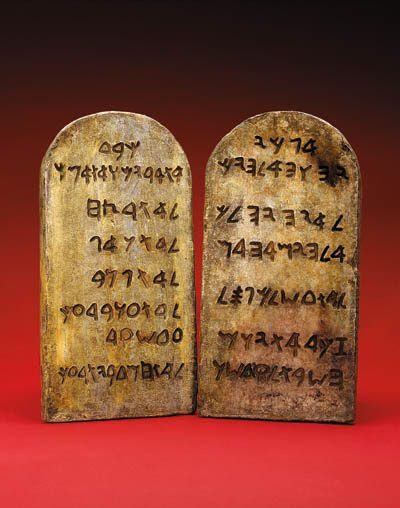
Death and Immortality of the Soul
Recently I heard a friend comment about all the souls in Heaven that are watching the events on this earth–cheering for the progress in restoring the land of Israel and crying over all the mistakes made by our Government. I was shocked because the Bible, Tanakh, Old Testament if you will, do not say these things. It is clear that those who are dead take no part in what happens under the sun, nor do they even know when their sons come to honor or disgrace. There is no way any human that we know of other than Enoch and Elijah are out there watching us and the events that happen to us. Remember, this is based on the Hebrew Scriptures only.
So let’s begin with a perusal of texts that relate to this topic.
Genesis 2:7:: “Then the LORD God formed man of dust from the ground, and breathed into his nostrils the breath (soul) of life; and man became a living being.”
וַיִּיצֶר יְהוָה אֱלֹהִים אֶת־הָאָדָם עָפָר מִן־הָאֲדָמָה וַיִּפַּח בְּאַפָּיו נִשְׁמַת חַיִּים וַיְהִי הָאָדָם לְנֶפֶשׁ חַיָּה׃
Gen 2:17””But of the tree of the knowledge of good and evil you shall not eat, for in the day that you eat of it you shall surely die.” ( or dying you shall die),
וּמֵעֵץ הַדַּעַת טוֹב וָרָע לֹא תֹאכַל מִמֶּנּוּ כִּי בְּיוֹם אֲכָלְךָ מִמֶּנּוּ מוֹת תָּמוּת׃
The idea of dying “that same day” is something a lot of students of scripture have tried to wrap their heads around. The verse uses two words for death ( מוֹת תָּמוּת). This is found elsewhere in scripture. When the children of Israel were in the desert and had been complaining about many things, YHVH told Moses that many would die in the wilderness.
Num 26:65 ”For the LORD had said of them, “They shall surely die in the wilderness.” There was not left a man of them, except Caleb the son of Jephunneh and Joshua the son of Nun.”
This passage also uses the two words that are translated “surely die” in some Bibles (מוֹת תָּמוּת). From both stories we see that physical death happened sometime later. But could it also mean that Adam and Eve, on that day became mortal, no longer having eternal life within them? At that point the element of eternal life had left them.
But what actually happens when someone dies physically? This is really an important question and one that many religions state that only the body dies and stops breathing but the soul goes on living as an eternal element whether in Heaven or the other Place. But what does the Bible say?
Is there evidence that the theory of the eternality of the soul is something that comes from paganism? When did this belief begin? I know that in Ancient Egypt, the mummified remains of rulers were buried with treasures and food for them to enter the afterlife. Not only Egypt, but Babylon, the cult of Osiris/Isis and the Greeks held this belief. See here. It seems all pagan religions clung to this belief–the idea of an eternal life of the soul which elevated the senses to bliss or destined to them to hell and torment. But is this what the Bible says? Let’s look at all of this as we open this up for scrutiny. The following verses deal with death and the grave:
Job 7:9-10 “[As] the cloud is consumed and vanisheth away: so he that goeth down to the grave shall come up no [more]. He shall return no more to his house, neither shall his place know him any more.”
Job 14:10, 14,15, 21, “But man dieth, and wasteth away: yea, man giveth up the ghost, and where [is] he? If a man die, shall he live [again]? all the days of my appointed time will I wait, till my change come. Thou shalt call, and I will answer thee: thou wilt have a desire to the work of thine hands. His sons come to honor, and he knoweth [it] not; and they are brought low, but he perceiveth [it] not of them.”
Sometimes people tell me that these verses are speaking of the wicked, not the righteous, but I don’t see any surrounding verses that suggest this. Notice in the verse above, Job is waiting for an appointed time. Trusting that God will remember him. And mind you, Job is listed as one of the three most righteous men.
Eze 14:14: “even if these three men, Noah, Daniel, and Job, were in it, they would deliver but their own lives by their righteousness, says the Lord GOD.”
Psa 6:5 “For in death there is no remembrance of thee; in Sheol who can give thee praise?”
Again, no mention that there are two types of people with different conditions in death. In fact, the wicked would not be praising Yah anyway.
Psalm 115:17: “The dead do not praise the LORD, nor do any that go down into silence.”
Psa 13:3 “Consider and answer me, O LORD my God; lighten my eyes, lest I sleep the sleep of death.” So here the Psalmist calls death a sleep.
Once King Saul sought out a Spirit Medium (one who practices Necromancy) which had been forbidden by YHVH in the Torah (see here). He wanted to know the outcome of the battle with the Philistines.Deut 18:9-11 See Here.
Saul asked to have Samuel brought up for him to tell the future of the battle. Samuel said the following:
1Sam 28:15: “Then Samuel said to Saul, “Why have you disturbed me by bringing me up?” Saul answered, “I am in great distress; for the Philistines are warring against me, and God has turned away from me and answers me no more, either by prophets or by dreams; therefore I have summoned you to tell me what I shall do.”
Note that Samuel demanded, “Why have you disturbed me?” As we are seeing, Samuel was dead and no, he did not come down from heaven, he was awakened to speak to Saul and was not happy about it. YHVH clearly forbade communication with the dead. They are not to be woken up, disturbed. Saul paid dearly for his disobedience. Read the whole passage in the link above.
Psa 16:10 “For thou dost not give me up to Sheol, or let thy godly one see the Pit.”
Here it seems that maybe this verse, if taken alone, means that the righteous do not go down to Sheol, but notice that it says that the Eternal will not “give me up to Sheol.” Other versions, us the word “abandon my soul.” If the soul has the possibility of being abandoned to Sheol (the grave), then David is saying that he trusts that his soul will not remain there permanently. And how long is that? Until the resurrection according to Daniel 12 and other passages.
Psa 49:15 “But God will ransom my soul from the power of Sheol, for he will receive me.” [Selah]
What about the resurrection?
Why would YHVH even need a resurrection if He already has the souls of the good people with Him? The resurrection is a principle of faith for both Jews, see here, as well as most Christian organizations, see here.
In Job 19:25-27, Job speaks of waiting for the resurrection: “For I know that my Redeemer lives, and at last he will stand upon the earth; – and after my skin has been thus destroyed, then from my flesh I shall see God, – whom I shall see on my side, and my eyes shall behold, and not another. My heart faints within me!” See verse 25 in Hebrew below:
וַאֲנִי יָדַעְתִּי גֹּאֲלִי חָי וְאַחֲרוֹן עַל־עָפָר יָקוּם׃
Again, what would be the purpose for Job to claim with faith that the Great Redeemer of souls would remember him in the final day upon the earth if there were no resurrection of the dead?
Daniel 12:1-2 “At that time shall arise Michael, the great prince who has charge of your people. And there shall be a time of trouble, such as never has been since there was a nation till that time; but at that time your people shall be delivered, every one whose name shall be found written in the book.- And many of those who sleep in the dust of the earth shall awake, some to everlasting life, and some to shame and everlasting contempt.”
Did you notice the words,” Sleep in the Dust”? Again we see that the dead are asleep, not wandering around either in Hell or in Heaven. But what returns to Hashem anyway?
And what about Isaiah?
Isa 26:19 “Your dead shall live; together with my dead body they shall arise. Awake and sing, you who dwell in dust; for your dew is like the dew of herbs, and the earth shall cast out the dead”
So, again, what returns to the Creator when one dies?
Eccl 12:6-7: “before the silver cord is snapped, or the golden bowl is broken, or the pitcher is broken at the fountain, or the wheel broken at the cistern, and the dust returns to the earth as it was, and the spirit (ruach) returns to God who gave it.”
Notice the spirit (breath or ruach) returns, not the soul.
וְיָשֹׁב הֶעָפָר עַל־הָאָרֶץ כְּשֶׁהָיָה וְהָרוּחַ תָּשׁוּב אֶל־הָאֱלֹהִים אֲשֶׁר נְתָנָהּ׃
Psa 146:4 “When his breath departs he returns to his earth; on that very day his thoughts perish.”
תֵּצֵא רוּחוֹ יָשֻׁב לְאַדְמָתוֹ בַּיּוֹם הַהוּא אָבְדוּ עֶשְׁתֹּנֹתָיו׃
If his thoughts perish, he will not even know he is buried, nor would he know if he is in Heaven.
Ecclesiastes 9:5-6, 10 “For the living know that they will die, but the dead know nothing, and they have no more reward; but the memory of them is lost. Their love and their hate and their envy have already perished, and they have no more for ever any share in all that is done under the sun. Whatever your hand finds to do, do it with your might; for there is no work or thought or knowledge or wisdom in Sheol, to which you are going.”
The following shows that souls are not ever existing and here even the souls of those who sin (which is all of us), die along with the body. Nobody is in hell suffering damnation, nor in Heaven enjoying paradise except for those such as Enoch, and Elijah whose stories of translation are written for us in the Tanakh. And they did not die first but were taken by the Creator. What was their purpose? I could speculate that they were taken as judges for the generation in which they lived. Are there others? There are no others written of in the Tanakh.
Ezek 18:4, 20: “Behold, all souls are mine; the soul of the father as well as the soul of the son is mine: the soul that sins shall die.”
“The soul that sins shall die. The son shall not suffer for the iniquity of the father, nor the father suffer for the iniquity of the son; the righteousness of the righteous shall be upon himself, and the wickedness of the wicked shall be upon himself.”
Nefesh and Neshama: The body and the soul–(breath of YHVH) made a living being
Gen 2:7: “Then the LORD God formed man of dust from the ground, and breathed into his nostrils the breath (Neshama or soul) of life; and man became a living being.”
וַיִּיצֶר יְהוָה אֱלֹהִים אֶת־הָאָדָם עָפָר מִן־הָאֲדָמָה וַיִּפַּח בְּאַפָּיו נִשְׁמַת חַיִּים וַיְהִי הָאָדָם לְנֶפֶשׁ חַיָּה׃
Again we see this verse, but for the purpose of identifying the body and the soul as one unit once the breath of his Creator has been placed in his nostrils.
Many take this to mean that the breath of G-d was actually the soul and it appears to so in this verse. But then why later when man dies, does only the Ruach (breath) return to God? Let me explain again. In Genesis 2:7, the Hebrew is clear that the Creator breathed a soul into Adam and he then became a living creature (Nefesh). So as we have seen above, when man dies only the breath (no not neshama–soul, but ruach–wind or breath) returns to the Eternal. However, and watch this train of thought closely, Adam was created with the potential of eternal life–He was an eternally existent soul. Then something changed when he and Eve ate from the tree of the Knowledge of Good and Evil.
Gen 2:17 ”But of the tree of the knowledge of good and evil you shall not eat, for in the day that you eat of it you shall surely die.”
We know that they ate of the tree and something happened to them at that time. My best research reveals that the first pair became mortal on that day. That means there was a change in the soul. No longer was the soul immortal. And so the question arises: If Adam and Eve were no longer immortal and this seems to be the death that was foretold as “in the day that ye eat thereof,” then this describes the change of the soul from immortal to mortal. Immortality was lost. So then it would follow that the soul now was not able to return to the Creator in its defiled form. The body now was bound up with the soul and this combination (body and soul) would have to wait for the resurrection of the dead. It also suggests that there must be a judgment day which we must study at another time.
If we see again the verse in Ezekiel 18 above that says “the soul that sinneth, it shall die”, it is clear that not only the body dies, but that the soul that is chained to it dies also. After all it is now a mortal soul, not an immortal one.
I hope this study comes across clearly. If not, please leave a question or comment in the comments section.
For another study, the subject of judgment and eternal reward and punishment must be saved for later.
Blessings as we dig deeply into the mine of truth!
Ariella
Please share your comments with me, like and share with others and click on the link below to follow my studies. Thanks for your support!
Follow Take Hold the Tzitzit on WordPress.com