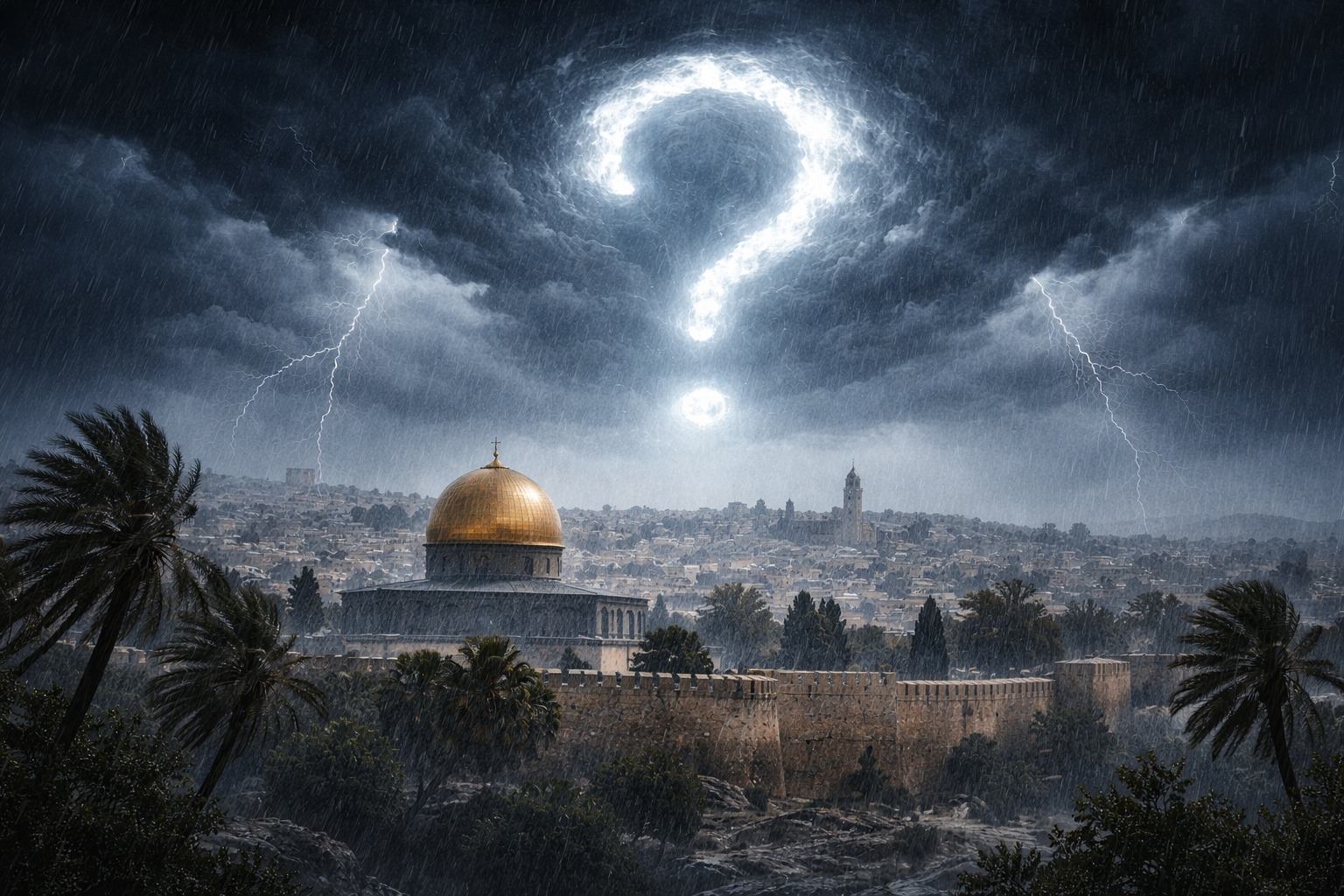
Freezing rain has come after blasting heat and drought. The cold is blown in by hurricane like winds. It is so cold it cuts right through us! The only place of comfort is to tuck myself in bed under a heavy comforter and an electric blanket. That is how I feel this winter after complaining of the constant heat and dry weather that shriveled most of the grape vines and even some of the fruit trees. Will they revive? Better yet, will we survive? Seems like an odd question for one who lives in a closed house with heat and air conditioning, yet somehow this cold cuts through even when the heater runs all day. Maybe this is not just about weather…
Maybe what is spelled out by the weather reveals the situation in the Middle East. The tight fisted wind and cold speaks of hopelessness, people who may be fighting to survive. I am not speaking of those who preempted this war. No! They should feel the full bite of the cold and misery but some are fighting for freedom and nobody seems to care. Thousands have died and all hands are slack. Seems they are giving up. And why shouldn’t they, except–it may be better to die at the cruel hands of the regime than live without freedom. What is freedom anyway?
Will God help these people when America and all of Europe close their eyes to the suffering. But why was so much ado made over Gaza? Shall we speculate? Does Gaza offer something that the other nations want to control? Is Iran somehow not significant at this time?
America usually has not fought for the causes of justice and righteousness, that is…not without a rich dividend and Gaza is a rich dividend. How so? Several things.
A centralized footprint in the Middle East
An ideal port in the Mediteranean
Israel’s Natural gas discovery off the coast of Gaza.
Maybe more deals are in the offing…
But why trust America as someone who is going to haul us out of a jam? Is there no faith in the God of Israel anymore?
Or is it that Israelis have allowed leadership to take over that has their own interests in mind?
Why are we looking to the nations to protect and provide for us while we smuggly refuse to help others in distress–Iran, Sudan…anybody else? Is it that we are as guilty as the other nations? Are Israel’s leaders trading off the divine principle of justice in exchange for whatever material and military benefits may be offered? And what about power and absolute power? What may become of us if we refuse to do what is right and good?
May I ask again, why nobody did anything for several hours on October 7 when it was announced beforehand by several sources? What may have been the game that was being played? Do we have to get permission from America to defend our people?
May I continue to ask, even to an empty sky, why Israel did not go in and finish the job in Gaza right after the attack on October 7? Whom did we need to get permission from? Have we sold out so fully to Big Brother America that we cannot even protect our own children? Like the Bible says…”they have sold the righteous for silver and the poor for a pair of shoes.” Amos 2:6-8.
So is there any hope for those of us who see these things? Should Jews really look to Israel as a safe place when the government turns around and taxes what we struggle to earn to pad their own pockets, using the excuse of buying better military equipment and fancier jets?
What is the Almighty God of the Universe going to say to these leaders? Most of them deny His existence, whether by their actions in uniting with the nations for support or outright atheism.
It is true that the world is not a safe place for Jews right now. And many are choosing the impossible dream of making Aliyah with the hope that they will at last find safety, but is this only a Pipe dream?
And what of the prayers of the righteous? Do they go anywhere or perhaps are those righteous being separated by the Master of the Universe–Separated to save for a coming king who will set things right? But is this a Pipe Dream as well, or can we count on it. Sometimes it seems like the line from Shakespear’s famous Sonnet 29:
“And trouble deaf heaven with my bootless cries, And look upon myself and curse my fate, Wishing me like to one more rich in hope…”
But then, this is not what I believe, but I admit that I am tempted to feel this way. Where is Heaven at this time when so many have left all to come to the promised land?
Un joven rehén, encerrado en un túnel en Gaza, no sabía ni recordaba las oraciones diarias requeridas para todos los buenos judíos. Comenzó a hablarle directamente a Dios como a un amigo. Pronto sintió que estaba rodeado de luz y calor incluso en la oscuridad. Cuando fue rescatado, ¿qué ocurrió? Fue llevado a la compañía de judíos religiosos y “se le mostró el camino”. Pero ¿era realmente “el camino” cuando él ya había sentido personalmente la presencia del Eterno? Me pregunto si todavía sentirá los brazos cálidos del Eterno rodeándolo. ¿Acaso la repetición de oraciones diarias, previamente escritas, salvó a los judíos durante el Holocausto? ¿Acaso el aumento en la asistencia a las sinagogas, donde la oración es el tema principal, puso fin realmente a la guerra en curso desde el 7 de octubre? Quizá cuanto más se siente la persecución de los antisemitas, más se ora. Pero ¿qué son estas oraciones, en realidad? ¿Memorizar oraciones que se repiten con frecuencia hace que el Cielo venga al rescate? Tal vez sí, tal vez no. Lo que parece suceder es que orar juntos une a los judíos en una causa común, pero ¿esa fuerza es solo la fuerza de la comunidad o es una fuerza y bendición dadas por Dios? ¿Y dónde comenzó todo esto? Yo llamo a estas oraciones: oraciones del Exilio. ¿Qué es la oración? ¿Pensamos que una oración escrita de forma ingeniosa y hermosa impresionará de algún modo al Eterno, cuando todo lo que Él desea es la expresión de un corazón humilde y contrito? ¡Adelante! Léeme los poemas de otra persona para impresionarme. ¿Ganará eso mi corazón? Salmo 51: “17 Los sacrificios de Dios son el espíritu quebrantado; al corazón contrito y humillado no despreciarás tú, oh Dios.” Isaías 66: “2 Porque mi mano hizo todas estas cosas, y así todas ellas fueron, dice el SEÑOR; pero a este miraré: al pobre y al quebrantado de espíritu, y al que tiembla a mi palabra.” ¿Pero qué hay de las oraciones memorizadas? ¿Tenemos ejemplos en la Biblia de personas que recitaron oraciones memorizadas y realmente fueron escuchadas? ¡Yo no encuentro ninguno! ¿Qué decían los patriarcas y los profetas a Dios cuando oraban? ¿No le pedían simplemente sabiduría o ayuda? ¿Dónde hay en la Biblia un ejemplo de oraciones poéticas y memorizadas como las que se usan en las religiones de hoy? No las hay. ¿Qué le dijo Moisés a YHVH cuando tuvo miedo de regresar a Egipto? Cuando Moisés fue enviado a hablar con el faraón, se quejó de ser torpe en el habla. Rogó que lo libraran de la misión. Éxodo 4:10. Cuando Elías sintió que era el único que quedaba en la tierra que no adoraba a los baales, ¿qué dijo? “He quedado yo solo…” 1 Reyes 19:10. No encuentro en ninguna parte una oración en la que alguien en la Biblia cite las oraciones de otra persona. ¿La oración es una comunicación real con el Creador o es una forma de adular a Dios para obtener lo que queremos? ¿Estamos cumpliendo con nuestro deber cuando repetimos tres veces al día oraciones bellamente redactadas? ¿Realmente importa? ¿Alguna vez alguien fue escogido por Dios apoyándose en la comunicación de otro? Al releer lo que he dicho, parece que condeno todas las oraciones comunitarias. Permítanme decir, por el contrario, que creo que el Todopoderoso escucha el clamor individual que hay detrás de estas oraciones. Él siente la necesidad del corazón que impulsa a las personas a unirse. Pero ¿no deberían nuestras oraciones individuales tratar más sobre la expresión de nuestras propias necesidades y pensamientos que sobre los pensamientos de otros? Y si oráramos más de esta manera, ¿no verían nuestras reuniones públicas más de la bendición del Cielo? No digo que esté mal usar los Salmos y otros versículos bíblicos para enmarcar nuestro culto y nuestras comidas de Shabat. Estos versículos crean un marco para ese tiempo familiar especial de reunirse y disfrutar del recibimiento del Shabat. Leemos el Salmo 23, Éxodo 31, Éxodo 20 y partes de Isaías 56. Es aún mejor si se entiende el hebreo, para que las palabras tengan significado. Pero ¿cuánto más allá de esto necesitamos ir? ¿Cuándo pierde la oración privada su significado? ¿Está Dios realmente impresionado por nuestro conocimiento de cómo leer una oración en una lengua extranjera? ¿O preferiría escucharnos como un padre amoroso escucha a sus hijos hablarle? ¿Acaso la mentalidad de víctima de muchos judíos proviene de no conocer al Todopoderoso a nivel personal? ¿Por qué fuimos destinados al Exilio durante 2000 años? Cuando nos dejamos llevar por el paganismo, no escuchábamos al Eterno a nivel individual, y por eso nos expulsó de nuestra tierra. ¿Aprendimos alguna vez algo distinto que no fuera seguir los caminos y enseñanzas de otros? ¿Podemos aprender a ser pensadores en lugar de simples reflejos de lo que dijeron nuestros grandes líderes? ¿Conocemos a Dios solo de manera indirecta, a través de las palabras de sabios y otros, o es Dios un Dios disponible para todos nosotros? ¿Está Él presente solo cuando estamos bajo la autoridad de hombres sabios y eruditos? ¿Escuchará realmente la oración del corazón contrito y humilde? ¿Tenemos ese tipo de Emuná (fe) y Bitajón (confianza) que se aferra al Eterno en la oscuridad, sin soltar hasta encontrar la bendición? Jacob se aferró al que luchó con él justo antes del amanecer, cuando se dio cuenta de que era un ser divino. Dijo: “No te dejaré si no me bendices”. ¿Podemos tener ese tipo de jutzpá con Hashem? Ora hasta que la luz brille. ¡Sucederá!
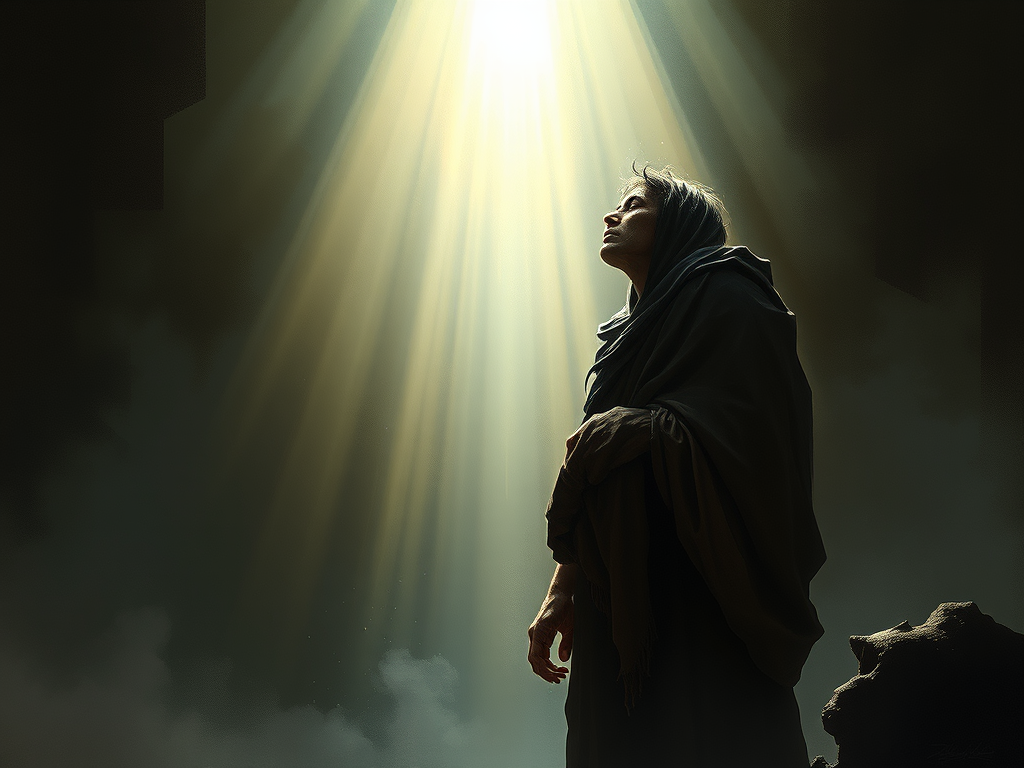
A young hostage, locked in a tunnel in Gaza did not know or remember the daily prayers required for all good Jews. He started talking directly to God as to a friend. He soon felt he was surrounded by light and warmth even in the darkness. When he was rescued, what happened? He was brought into the company of religious Jews and “shown the way.” But was this really “the way” when he had already felt the presence of the Eternal personally? I wonder if he will still feel the warm arms of the Eternal about him?
Did the repetition of pre-written, daily prayers save Jews during the Holocaust? Did the increase in numbers of attendance at synagogues, where prayers are the main subject actually bring an end to the ongoing October 7 war?
Perhaps the more one feels the persecution of Antisemites, the more he or she prays! But what are these prayers anyway? Do memorizing the frequently repeated prayers actually bring Heaven to the rescue? Maybe, maybe not. What seems to happen is that praying together unites Jews to a common cause, but is the strength merely the strength of the community or is it God-given strength and blessing? And where did this all start? I call these Exile prayers.
What is prayer? Do we think that a cleverly and beautifully written prayer will somehow impress the Eternal when all He wants is the expression of the humble and contrite heart? Go ahead! Read someone else’s poems to me to impress me. Will this win my heart?
Psa 51: “17 My sacrifice, O God, is a broken spirit; a broken and contrite heart you, God, will not despise.”
Isa 66: “2 For all those things hath mine hand made, and all those things have been, saith the LORD: but to this man will I look, even to him that is poor and of a contrite spirit, and trembleth at my word.”
But what about memorized prayers? Do we have examples in the Bible of those who read memorized prayers and were actually heard? I don’t find any!
What did the forefathers and the prophets say to God when they prayed? Didn’t they simply ask God for wisdom or to help them? Where in the Bible is there an example of the poetic memorized prayers that are used in today’s religions? There aren’t any. What did Moses say to YHVH when he was afraid to return to Egypt?
When Moses was told to go and speak to Pharaoh, he complained that he was a man of slow speech. He pleaded to get out of the mission. Exo. 4:10
When Elijah felt he was the only one left in the land who didn’t worship the Baals, what did he say? “Even I only am left…” 1 Kings 19:10.
I don’t find anywhere a prayer where someone in the Bible quoted the prayers of another person.
Is prayer about real communication with the Creator or is it about flattering God to get what we want? Are we somehow doing our duty when we repeat the nicely-worded prayers thrice daily? Does it even matter? Was anyone ever chosen by God who relied on the communication of someone else?
In rereading what I have said it appears that I condemn all the communal prayers. Let me say, to the contrary, I believe that the Almighty hears the individual cry behind these prayers. He feels the need of the heart that drives people together. But should not our individual prayers be more about the expression of our own needs and thoughts rather than the thoughts of others? And if we prayed more in this way, would not our public gatherings see more of the blessing of Heaven?
I am not saying that it is wrong to use Psalms and other Bible verses to frame our worship and Shabbat meals. These verses set a framework around the special family time of coming together to enjoy that special time of welcoming of the Shabbat. We read the 23rd Psalm, Exodus 31, Exodus 20 and parts of Isaiah 56. It is even better if you understand the Hebrew so that the words mean something to you. Yet, how much beyond this do we need to go? When does private prayer lose it’s significance? Is God really impressed by our knowledge of how to read a prayer in a foreign tongue? Or would he rather hear us a loving parent hears their children speak to them?
Does the the victim mentality of many Jews perhaps come from not knowing the Almighty on a personal level? Why were we destined to Exile for 2000 years? When we got caught up in following paganism we were not listening on an individual level to the Eternal, so He sent us out of our land. Did we ever learn otherwise than to follow someone else’s ways and teachings? Can we learn to be thinkers rather than mere reflectors of what our great leaders have said?”
Do we know God only vicariously through the words of sages and others or is God a God that is available to all of us? Is he merely there when we are under the authority of wise men and sages? Will He indeed hear the prayer of the contrite and humble heart? Do we have that kind of Emunah (faith) and Bitachon (trust) that clings to the Eternal in the darkness, not willing to let go until we find the blessing.
Jacob clung to the one who fought with him just before dawn when he realized it was a divine being, He said: “I will not let you go unless you bless me.” Can we have that kind of Hutzpah with Hashem?
Cuando un comentarista bíblico escribe sobre su comprensión de la Biblia, ¿es posible evaluar lo que dice? ¿Y con qué medios? ¿Qué debemos atar como ancla inamovible?
Originalmente la Biblia era la medida de la verdad. (En mi humilde opinión, todavía lo es).
EspecíficamenteLa Torá. Existen varias leyes en la propia Torá, así como versículos en el Tanaj, que afirman que toda verdad debe basarse, ante todo, en los principios de la Torá: que no debemos añadir ni quitar nada. Entonces, ¿cómo se puede aplicar esto a la luz de una Torá Oral?
Así que la gran pregunta que pone el foco es si quienes vinieron después de Moisés y los profetas tuvieron o tienen permitido escribir historias sobre el significado de lo registrado en las escrituras sagradas del Tanaj. Y si respondemos que sí, ¿cómo se medirá la veracidad de esas historias? ¿Será mediante una credencial de una institución de educación superior, ya sea una yeshivá o una universidad? ¿O lo resumimos en lo mismo: la Torá como única ancla? En esencia, ¿permite un título rabínico apartarse de la Torá escrita? ¿Y cómo se mide la Torá Oral? ¿El Midrash? Si no hay una guía básica más allá de ser un sabio o rabino estimado, entonces la reverencia pública es todo lo que se necesita para establecer la verdad, y si este es el caso, entonces bien podríamos seguir a la mayoría, ya sea en asuntos religiosos o políticos. ¿Y cuál era ese versículo que está tan fuera de contexto sobre seguir a la mayoría? ¡Vuelvamos a eso!
No argumentaría que los eruditos de estas instituciones no tengan nada que enseñarnos. Pero lo que me molesta es su frecuente y clara renuncia a redefinir las leyes de la Torá de Moisés: añadir o quitar cosas, algo que está claramente prohibido por el propio texto de la Torá. Esto es lo que dice la Biblia:
Deuteronomio 4: “2 No añadiréis a la palabra que yo os mando, ni disminuiréis de ella, para que guardéis los mandamientos de Jehová vuestro Dios que yo os ordeno.”
Deuteronomio 12:32 Todo lo que yo os mando cuidaréis de ponerlo por obra; no añadiréis a ello, ni de ello quitaréis.
Jos 1: “7 Solamente esfuérzate y sé muy valiente, para cuidar de hacer conforme a toda la ley que mi siervo Moisés te mandó. No te desvíes de ella ni a la diestra ni a la siniestra, para que seas prosperado en todas las cosas que emprendas.”
Pro 30:6 No añadas a sus palabras, para que no te reprenda, y seas hallado mentiroso.
Tomemos como ejemplo un midrash muy conocido. Trata sobre Josué, el sumo sacerdote que oficiaría en el segundo templo. La historia se encuentra en Zacarías 3:1-7:
Zacarías 3:1 Me mostró a Josué, el sumo sacerdote, de pie ante el ángel de Jehová, y a Satanás a su diestra para resistirlo. 2 Y Jehová dijo a Satanás: «¡Que Jehová te reprenda, oh Satanás! ¡Que Jehová, que ha escogido a Jerusalén, te reprenda! ¿No es este un tizón arrebatado del fuego?». 3 Josué estaba vestido con vestiduras viles y estaba de pie ante el ángel. 4 Y él habló y dijo a los que estaban delante de él: «Quitadle esas vestiduras viles». Y le dijo: «Mira, he quitado tu iniquidad de ti y te he vestido con ropas de fiesta». 5 Y dije: «Que le pongan una mitra limpia sobre la cabeza». Y le pusieron la mitra limpia sobre la cabeza y le vistieron con vestiduras; y el ángel de Jehová estaba presente. 6 Y el ángel de Jehová protestó a Josué, diciendo: 7 Así dice Jehová de los ejércitos: Si anduvieres en mis caminos, y si guardares mi ordenanza, también tú gobernarás mi casa, y asimismo guardarás mis atrios, y entre éstos que aquí están, yo te daré lugar para andar.
¿Qué eran entonces las prendas sucias que se quitaron los asistentes que estaban allí? Aquí hay algo de internet:
Matrimonio entre hijos:La explicación midráshica más destacada (que se encuentra enTalmud Sanhedrin 93b y citado por Rashi)Los hijos de Josué se habían casado con mujeres extranjeras a quienes se les prohibía ejercer el sacerdocio. Las vestimentas estaban “inmundas” porque Josué no protestó ni impidió estos matrimonios.Enlace
Según el Midrash, las vestiduras sucias debían ser quitadas, lo que significaba que los hijos debían divorciarse de sus esposas y abandonar a sus hijos. En la historia, los hijos efectivamente lo hicieron y luego Josué fue absuelto (las vestiduras sucias fueron quitadas).
Lo que dice la Torá: un padre no es responsable de los pecados de sus hijos (esto, por supuesto, sería después de la edad de responsabilidad).
Deuteronomio 24:16 Los padres no morirán por los hijos, ni los hijos por los padres; cada uno morirá por su propio pecado.
Así que, según la Torá, este midrash no funciona. Las vestiduras sucias eran los propios pecados de Josué y su propia impureza, aparentemente cosas que absorbió del exilio en Babilonia. Ahora bien, para purificarse de estas cosas se requirió la obra de seres divinos, quizás la iluminación. Era como el día de la expiación: Yom Kipur.
Si buscamos otro ejemplo, veamos la ley sobre el hijo rebelde y lo que los padres debían hacer.
Deuteronomio 21: “18 Si un hombre tiene un hijo rebelde y desobediente, que no escucha la voz de su padre ni la de su madre, y lo han castigado, pero él no los escucha; 19 entonces su padre y su madre lo agarrarán y lo llevarán ante los ancianos de su ciudad y a la puerta de su lugar; 20 y dirán a los ancianos de su ciudad: «Este nuestro hijo es rebelde y desobediente; no escucha nuestra voz; es un libertino y un borracho». 21 Y todos los hombres de su ciudad lo apedrearán hasta que muera. Así quitarás el mal de en medio de ti, y todo Israel oirá y temerá».
Si los padres fueran los últimos responsables de los pecados de sus hijos, entonces los padres también habrían sido apedreados en este ejemplo.
El profeta Ezequiel habla de este principio:
Ezequiel 18: “20 El alma que pecare, esa morirá. El hijo no cargará con la iniquidad del padre, ni el padre cargará con la iniquidad del hijo; la justicia del justo será sobre él, y la impiedad del impío será sobre él.”
Dado que el profeta cumple con el mandamiento de Deuteronomio, podemos incluirlo. ¿Qué sucede si un profeta no habla conforme al mandamiento?
Deuteronomio 13: “4 En pos de Jehová vuestro Dios andaréis, y le temeréis, y guardaréis sus mandamientos, y oiréis su voz; y le serviréis, y a él os uniréis. 5 Y ese profeta, o ese soñador de sueños, será condenado a muerte, por haber proferido rebelión contra Jehová vuestro Dios, que os sacó de la tierra de Egipto y os rescató de casa de servidumbre, para apartaros del camino que Jehová vuestro Dios os mandó seguir; y quitarás el mal de en medio de ti.”
Así que, si lo que dice un profeta no concuerda con lo que Dios nos ordenó en la Torá, no debemos escucharlo. De hecho, según las instrucciones para Israel, ese profeta debía ser ejecutado.
Isaías 8:20 ¡A la Torá y al testimonio! Si no dijeren conforme a esto, es porque aún no les ha amanecido la luz.
A la Torá y al testimonio, si noEllos diránComo esta cosa que no tiene plata.
Lo que debemos preguntarnos es cuál fue la influencia del exilio en Babilonia que provocó la condición de “vestiduras inmundas”. ¿Y cuál fue el remedio? ¿Qué sucederá hoy cuando los judíos regresen del exilio? ¿De qué necesitan purificarse? ¿Es la historia del sumo sacerdote Josué realmente una profecía del regreso del exilio en los últimos tiempos? ¡Creo que sí!
¿Y entonces qué tal si seguimos a la mayoría?
El judaísmo ortodoxo afirma que los judíos deben seguir la mayoría de las opiniones rabínicas recopiladas sobre la Halajá. Existe muy poca libertad individual para decidir el significado de un texto.
¿De dónde salió esto? ¡Solo de un versículo en la Torá! Éxodo 23: «2 No seguirás a la multitud para hacer el mal, ni responderás en un pleito, siguiendo a la multitud para pervertir el derecho».
Los eruditos de la Torá Oral han ampliado este versículo para que signifique lo siguiente: (¡Y claramente no veo cómo esto puede cambiarse para que signifique lo siguiente!)
JBiblioteca Virtual Europea:
“GOBERNAMENTA DE LA MAYORÍA, decidir un asunto según la opinión de la mayoría. En el ámbito de lahalajáEsta regla se aplica en tres casos principales:
(a) determinación de la ley vinculante según (la opinión de) la mayoría de los eruditos halájicos;
b) la resolución de la controversia mediante la decisión mayoritaria de los jueces de los tribunales; y
c) imposición por decisión mayoritaria de la comunidad, o de sus representantes, de una disposición comunal (véase*Takkanot ha-Kahal), vinculante para todos los miembros de la comunidad. La base de la regla de la mayoría se encuentra en la exégesis de la frase bíblica:aḥarei rabbim le-hattot(“seguir a una multitud…” Éx. 23:2).”Enlace.
Esto invalida la comprensión individual de la Torá y la expulsa, sometiéndola a un tribunal rabínico. La Torá se vuelve compleja y el individuo se vuelve subordinado al liderazgo.
Pero la Torá fue dada en forma sencilla para que cada persona pueda entenderla sin interpretación escolástica:
Deuteronomio 30:11 Porque este mandamiento que yo te ordeno hoy no es demasiado maravilloso para ti, ni está lejos. 12 No está en los cielos, para que digas: “¿Quién subirá por nosotros a los cielos y nos lo traerá para que lo oigamos y lo cumplamos?”. 13 Ni está al otro lado del mar, para que digas: “¿Quién cruzará el mar por nosotros y nos lo traerá para que lo oigamos y lo cumplamos?”.Porque muy cerca de ti está la palabra, en tu boca y en tu corazón, para que la cumplas.
¿Y qué hay de la necesidad de más vallas alrededor de la Torá? Esto se usa a menudo para justificar la existencia de tantas reglas halájicas para cada mandamiento de la Torá. ¿De verdad creemos que Dios nos castigará por no comprender las sencillas palabras de los mandamientos? Después de todo, no robarás, no te inclinarás ante una imagen, no matarás, no invalidarás el nombre de Dios… todo esto no necesita explicación.
When a Biblical commentator or modern prophet writes about his understanding of the Bible, is it possible to evaluate what he/she says? And by what means? What are we to tie to as an unmovable anchor?
Originally the Bible was the measure of truth. (Still is IMHO).
Specifically the Torah. There are several laws in the Torah itself as well as verses in the Tanakh that claim that all truth must be founded first of all on the principles of Torah–That we must not add to nor take from. So how can that be applied in light of an Oral Torah?
So the big question that puts things in focus is whether or not those who came after Moses and the prophets were/are allowed to write stories about the meaning of what is recorded in the sacred writings of the Tanakh. And if we answer yes, then how will those stories be measured as to what is truth? Is it by a qualifying credential from a school of higher learning, be it a yeshiva, or a university? Or do we boil it down the the same thing–Torah as the only Anchor? Basically, does a rabbinic degree allow departure from the written Torah? And how is Oral Torah measured? Midrash? If there is no basic guide other than being an esteemed sage or rabbi, then public reverence is all that is needed to establish truth and if this is the case then we might as well follow the majority, be it in religious matters or politics. And what was that verse that is so badly taken out of context about following the majority? Hey let me get back to that!
I would not argue that scholars from these institutions have nothing to teach us. But what I take exception to is the often clear stepping aside to redefine the laws of the Torah of Moses–Adding to or taking from as is clearly forbidden by the text of Torah itself. Here is what the Bible says it:
Deu 4: “2 Ye shall not add to the word which I command you, neither shall ye take from it, that ye may keep the commandments of YHVH your God which I command you.”
Deu 12:”32 Everything that I command you, ye shall take heed to do it; thou shalt not add thereto, nor take from it.”
Jos 1: “7 Only be strong and very courageous, that thou mayest take heed to do according to all the law that Moses my servant commanded thee. Turn not from it to the right or to the left, that thou mayest prosper whithersoever thou goest.”
Pro 30:”6 Add thou not unto his words, lest he reprove thee, and thou be found a liar.”
Let’s take as an example, a well-known midrash. It is about Joshua the high priest who was to officiate in the second temple. The story is found in Zechariah 3:1-7:
Zec 3:”1 And he shewed me Joshua the high priest standing before the Angel of YHVH, and Satan standing at his right hand to resist him. 2 And YHVH said unto Satan, YHVH rebuke thee, O Satan! Yea, YHVH that hath chosen Jerusalem rebuke thee! Is not this a brand plucked out of the fire? 3 And Joshua was clothed with filthy garments, and stood before the Angel. 4 And he spoke and said unto those that stood before him, saying, Take away the filthy garments from off him. And unto him he said, See, I have caused thine iniquity to pass from thee, and I clothe thee with festival-robes. 5 And I said, Let them set a pure turban upon his head. And they set the pure turban upon his head, and clothed him with garments; and the Angel of YHVH stood by. 6 And the Angel of YHVH protested unto Joshua, saying, 7 Thus saith YHVH of hosts: If thou wilt walk in my ways, and if thou wilt keep my charge, then thou shalt also judge my house, and shalt also keep my courts; and I will give thee a place to walk among these that stand by.”
So what were the filthy garments that the attendants that stood by removed? Here is something from the internet:
“Intermarriage of Sons: The most prominent Midrashic explanation (found in Talmud Sanhedrin 93b and cited by Rashi) is that Joshua’s sons had married foreign women who were forbidden to the priesthood. The garments were “filthy” because Joshua did not protest or prevent these marriages.” Link
The filthy garments, according to midrash had to be removed, meaning the sons had to divorce their wives and abandon their children. In the story, the sons actually did this and then Joshua was acquitted (the filthy garments removed).
What the Torah says: a father is not held accountable for the sins of his sons. (this would of course be after the age of accountability).
Deu 24:”16 The fathers shall not be put to death for the sons, neither shall the sons be put to death for the fathers: every man shall be put to death for his own sin.”
So according to Torah, this midrash does not line up. The filthy garments were Joshua’s own sins and his own defilement, apparently things that he absorbed from the exile in Babylon. Now to be cleansed of these things it took the work of divine beings, (those who stood by were commanded to remove the filthy garments from Joshua) perhaps giving him enlightenment. It was like a day of atonement. Yom Kippur?
If we are looking for another example from the Bible, let us look at the law about the rebellious son and what the parents were to do.
Deu 21: “18 If a man have an unmanageable and rebellious son, who hearkeneth not unto the voice of his father, nor unto the voice of his mother, and they have chastened him, but he hearkeneth not unto them; 19 then shall his father and his mother lay hold on him, and bring him out unto the elders of his city, and unto the gate of his place; 20 and they shall say unto the elders of his city, This our son is unmanageable and rebellious, he hearkeneth not unto our voice; he is a profligate and a drunkard. 21 And all the men of his city shall stone him with stones, that he die. And thou shalt put evil away from thy midst; and all Israel shall hear and fear.”
If parents are ultimately responsible for the sins of their children, then the parents would have also been stoned in this example.
The prophet Ezekiel speaks to this principle:
Eze 18: “20 The soul that sinneth, it shall die. The son shall not bear the iniquity of the father, neither shall the father bear the iniquity of the son; the righteousness of the righteous shall be upon him, and the wickedness of the wicked shall be upon him.”
Since the prophet goes along with the commandment in Deuteronomy, we can include it. What happens if a prophet does not speak according to the commandment?
Deu 13: “4 Ye shall walk after YHVH your God, and ye shall fear him, and his commandments shall ye keep, and his voice shall ye hear; and ye shall serve him, and unto him shall ye cleave. 5 And that prophet, or that dreamer of dreams, shall be put to death; for he hath spoken revolt against YHVH your God who brought you out of the land of Egypt, and redeemed you out of the house of bondage, — to draw thee out of the way that YHVH thy God commanded thee to walk in; and thou shalt put evil away from thy midst.”
So if the things a prophet says do not align with what God commanded us in the Torah, then we are not to listen to him. Actually in the instructions for Israel, that prophet was to be put to death.
Isa 8:”20 To Torah and testimony: if they speak not according to this word, it is because light has not dawned in them.”
What we need to ask is what was the influence of the Exile in Babylon that brought about the condition of “filthy garments” ? And what was the remedy? What will happen today when Jews return from the exile? From what do they need to be cleansed? Is the story of Joshua the high priest actually a prophecy for end time return from the exile? I believe it is!
So what about following the majority?
Orthodox Judaism claims that Jews must follow the majority of the collected rabbinic views on Halakhah. There is very little individual freedom to decide what a text means.
Where did this idea of following the majority come from? Only one verse in the Torah!
Exodus 23:”2 Thou shalt not follow the multitude for evil; neither shalt thou answer in a cause, to go after the multitude to pervert judgment.”
This verse has been expanded by Oral Torah scholars to mean the following: (And I clearly do not see how this can be accepted by any thinking mind! )
Jewish Virtual Library:
“MAJORITY RULE, deciding a matter according to the majority opinion. In the field of the halakhah this rule is applied in three principal instances:
(a) determination of the binding law according to (the view of) the majority of halakhic scholars;
(b) adjudication of dispute by the majority decision of the courts’ judges; and
(c) imposition by majority decision of the community, or its representatives, of a communal enactment (see *Takkanot ha-Kahal), binding on all members of the community. The basis for the majority rule is to be found in the exegesis of the scriptural phrase, aḥarei rabbim le-hattot (to “follow a multitude…” Ex. 23:2).” Link.
So what this does is to negate individual understanding of the Torah and place it outside in a rabbinic courtroom. Now the Torah becomes complicated and the individual becomes subservient to the leadership. Makes me think of some Catholics I knew in Mexico. They claimed they needed a priest to explain the Bible because it wasn’t written for the common man or woman!
But the Torah was given in simple form so that each person can understand it without scholastic interpretation:
Deu 30:”11 For this commandment which I command thee this day is not too wonderful for thee, neither is it far off. 12 It is not in the heavens, that thou shouldest say, Who shall go up for us to the heavens, and bring it to us, that we should hear it and do it? 13 And it is not beyond the sea, that thou shouldest say, Who shall go over the sea for us, and bring it to us, that we should hear it and do it? 14 For the word is very near to thee, in thy mouth and in thy heart, that thou mayest do it.”
And what about needing numerous fences around the Torah? This is often used to justify why there are so many Halakhic rules for Torah commandments. Do we really believe that God will punish us for somehow not understanding the simple words of the commandments? After all, thou shalt not steal, thou shalt not bow to an image, thou shalt not kill, thou shalt not make God’s name of none effect…all these as well as the rest need no elaboration.