Torah Alone?

My Response

By J. Ariella Casey

Last week, someone claimed that I use strictly Torah and that I throw out the Neviim (prophets) and Kituvim (writings) in the Tanakh. The rumor spread, and I was shocked and stunned to realize that someone had mistaken my position. It all came about during the time of the fast of the 9th of Av, the day of fasting that Jews have complied with since before the days of some of the later prophets. 

I was told that since it was in the Tanakh that we are commanded to keep it. I have taken the stand, and I believe I am on firm ground, to say that no prophet had the right to add laws to the Torah. Otherwise, why did YHWH stress both to Moses and to Joshua that no one was to add nor take away from the laws given on Sinai?

I was assured that the entire Tanakh was the voice of Elohim. I am still astounded at the mess they made of people’s thinking! So, if I might, I am going to defend my position and hopefully people will hear me and clear up any misunderstandings. 

First, let me declare what I have not said. At no time have I said that it was wrong to fast on the 9th of Av or any of the other 3 days mentioned by the prophets. Actually, the prophet Zechariah rebukes the people for fasting on those days because their fast was not directed to YHWH. 

“Speak unto all the people of the land, and to the priests, saying, When ye fasted and mourned in the fifth and seventh month, even those seventy years, did ye at all fast unto me, even to me?” (Zec 7:5) 

And in Zec 8 we read:
“Thus saith YHWH of hosts; The fast of the fourth month, and the fast of the fifth, and the fast of the seventh, and the fast of the tenth, shall be to the house of Judah joy and gladness, and cheerful feasts; therefore love the truth and peace.” (Zec 8:19)

Let me ask you what time was Zechariah speaking about here? What were the conditions? And was he accepting that a fast or feast declared by someone outside the Torah was a commandment? He absolutely was not! He was speaking to the people of his time.

Maybe this example seems that the prophet was, indeed, adding to the commandments. They were not! Let me explain. The idea of calling a fast for a community is always legitimate based on the needs of the people of Israel. Though, and I underscore, this is NOT an eternal command, and if people abstain from it, they are NOT sinning! When the people of Israel come back to the Land, it is not a time to mourn the loss of the land. It is time to celebrate. But we want to carry on with outdated fasts just because a prophet declared them! 

But you may say, “we want to fast for the third temple.” –there is nothing wrong with that. Go ahead, but don’t obligate others to do so

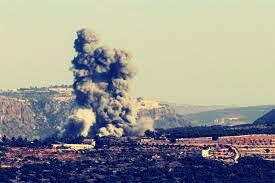
The other day, one of our community asked the rest of the members to fast for the people of Israel during this terrible war of attrition. There was nothing wrong with this. But many did not fast, and they are not condemned. And should we be condemned because we do not fast for a temple that was destroyed by Nebuchadnezzar nearly 3000 years ago? 

And what about Purim? Was Mordechi given the right to create a new commandment? He was not! Can we not see that this is the same principle as I have mentioned above concerning the call to fasting?

But if one wants to fast for that, they are free to do so! We must not prohibit people from doing what they believe will bring them closer to the King of the Universe. Yet, this is an individual calling and we must recognize it as such.

I will always remain standing on the Torah as the only law for our spirituality. But, and I say again, the Torah, though it has some very concrete laws, does not restrict our freedom to fast or feast when we desire to do so. If it did, it would say, loud and clear, “thou shalt not fast for such and such.” There are some laws that we would be well to apply today. Things like not raising an object of worship, an idol, a monument, etc.

I have stopped kissing Mezuzot a long time ago. This, as I understand it,  is idolatry. When a person carves an object and renders it holy and then does obeisance to it, it is idolatry. I have mezuzot on my doors, yes, but I do not kiss them. And actually, many Karaites dispense with the Mezuzah completely. It is up to you how you fulfill the command to write the commandments on your doorposts. 

Let’s give each other freedom to interpret individually how the commandments are to be applied. I believe this to be the very foundation stone that we must cling to. Personal discernment and not community legislation. But don’t get me wrong. There ARE commandments that are carved in stone. 

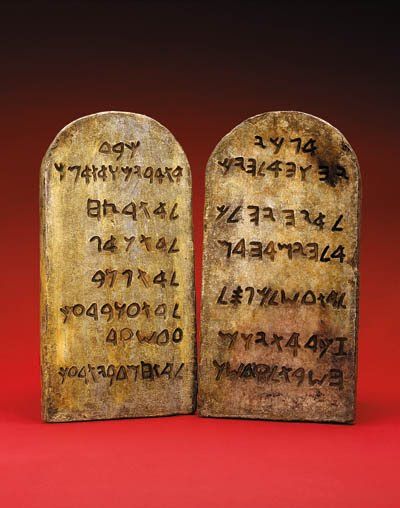
If someone steals a box of candy from a store or God forbid, a motorcycle from a parking lot, there is no individual freedom to rationalize that it is acceptable. So also with the other 9 commandments. As I say, they were carved in stone.

Please talk to me about your concerns. I was very troubled about the rumor early in the week, which was purely vicious gossip about my standards and my approach to Torah. I believe that the Karaite way is to measure all things one does by the Torah and to use the prophets for what they were meant. That is to enlighten at least their generation on what the Torah meant for that time. They also help us understand how to apply the Torah today, but in no sense are they there to add or take away from the Torah.

“Ye shall not add to the word which I command you, neither shall ye take from it, that ye may keep the commandments of Yehovah your God which I command you.” (Deu 4:2)

Please respond by commenting, like and share on your groups!

Follow Take Hold the Tzitzit on WordPress.com

Parashá Ve-Etjanan-Deut. 3:23-7:11

Por Ariella Casey

Las leyes para Israel en la Tierra y ¿Qué tan grande es la Tierra?

Moisés, cerca del final de su vida, pronuncia sus últimas palabras a Israel mientras se encontraba cerca de las fronteras de la Tierra Prometida. Les dice varias veces que las leyes que YHWH le dio en el Sinaí, las leyes aparte de los diez mandamientos, fueron dadas para cuando entraran en la Tierra.
Entonces, ¿por qué los judíos han continuado con las leyes del diezmo que fueron dadas para los Levitas y Cohenim (levitas y sacerdotes) y el Templo cuando no hay Templo? ¿Por qué los judíos en Europa y América construyen Sucot a lo largo de las calles de ciudades extranjeras cuando la Fiesta de los Tabernáculos debía celebrarse “en la Tierra” como un memorial de los 40 años que pasaron afuera en el desierto? ¿No están los judíos fuera de Israel, todavía en el desierto? ¿Y por qué se construyen y dedican sinagogas como lugares sagrados, cuando el único Lugar Santo verdadero fue apartado por YHWH en el Monte Sagrado en Israel? Y, en caso de que no lo sepamos, el Segundo Templo en Har HaBayit fue desolado por la traición del pueblo judío, ¡entregándole Jerusalén a Roma hace 2000 años! Har HaBayit está incluso ahora en las noticias, con el gobierno israelí poniéndose del lado de las naciones para evitar que los judíos recen allí. ¡Por favor, manténgase al tanto de lo que está sucediendo! ¡Siga orando!

La historia de los israelitas durante los últimos 3000 años no ha sido lo que Dios había planeado para nosotros, sino lo que nuestros antepasados ​​eligieron hacer. Israel ha estado entrando y saliendo de La Tierra; tomado cautivo varias veces y luego, durante un cautiverio prolongado, formularon nuevas leyes que les permitirían seguir siendo un pueblo separado y aún permanecer en las naciones a las que fueron dispersados. Pero, estas nuevas leyes fueron inventadas por sus rabinos y ahora se las conoce como la “Ley Oral”. Estas eran todo MENOS las leyes originales que les fueron dadas por mano de Moisés.
Las leyes dadas por mano de Moisés, que se afirma que son la base de la “Torá Oral”, debían ser observadas únicamente “en La Tierra”. Moisés dio sus palabras finales con varias referencias a esto. En ese momento estaban al final de la peregrinación de 40 años en el desierto. Seguramente habían estado practicando algunas de estas leyes, pero eran leyes que Moisés especificó claramente para cuando estuvieran en La Tierra. Veamos algunos de los versículos que dicen esto:

“Y Jehová os habló de en medio del fuego; oísteis la voz de las palabras, pero ninguna figura visteis; solamente oísteis una voz. Y él os anunció su pacto, el cual os mandó poner por obra, las diez palabras; y las escribió en dos tablas de piedra. A mí también me mandó Jehová en aquella ocasión que os enseñase los estatutos y decretos, para que los pusierais por obra en la tierra a la cual pasáis para tomar posesión de ella.” (Deu 4:12-14).

Y Moisés recuerda a los hijos de Israel que en el Sinaí ellos habían pedido que YHWH no les hablara, sino que Moisés fuera y recibiera de YHWH las leyes y luego se las enseñara.
Así que continúa recordándoles…

“Y ahora, ¿por qué moriremos? Porque este gran fuego nos consumirá. Si oímos más la voz de Jehová nuestro Dios, moriremos. Porque ¿quién hay de toda carne que haya oído la voz del Dios vivo hablando de en medio del fuego, como nosotros, y haya sobrevivido? Acércate tú, y oye todo lo que Jehová nuestro Dios diga, y dinos todo lo que Jehová nuestro Dios te diga, y nosotros lo oiremos, y lo haremos. Y oyó Jehová la voz de vuestras palabras cuando me hablasteis; y me dijo Jehová: Yo he oído la voz de las palabras de este pueblo que te ha hablado; han hablado bien en todo lo que han dicho. ¡Oh, si tuvieran tal corazón, que me temieran y guardaran siempre todos mis mandamientos, para que a ellos y a sus hijos les fuera bien para siempre! Ve, diles: Volveos a vuestras tiendas. Pero tú quédate aquí junto a mí, y yo te hablaré todas las cosas que te he dicho. mandamientos, estatutos y decretos que les enseñarás, para que los pongan por obra en la tierra que yo les doy para que la posean. Guardaos, pues, de hacer como Jehová vuestro Dios os ha mandado; no os desviéis a la diestra ni a la siniestra. Andad en todo el camino que Jehová vuestro Dios os ha mandado, para que viváis y os vaya bien, y tengáis largos días sobre la tierra que vais a poseer.” (Deu 5:25-33).

Nuevamente vemos que estas leyes eran para “en la tierra”.

“Estos, pues, son los mandamientos, estatutos y decretos que Jehová vuestro Dios mandó que os enseñase, para que los pongáis por obra en la tierra a la cual pasáis para tomar posesión de ella, para que temas a Jehová tu Dios, guardando todos sus estatutos y sus mandamientos que yo te mando, tú, tu hijo, y el hijo de tu hijo, todos los días de tu vida; y para que tus días sean prolongados. Y tú oirás, Israel, y cuidarás de ponerlos por obra, para que te vaya bien y seáis multiplicados, como Jehová el Dios de tus padres te ha dicho, en una tierra que fluye leche y miel.” (Deuteronomio 6:1-3).

Entonces Moisés enseña el Shemá, las leyes que hacen referencia a las Mezuzot (escribir las leyes en los postes de las puertas), y luego a la atadura del brazo y la cabeza-Tefilin- (que se refieren simbólicamente al control de nuestros pensamientos y acciones). Continúa desafiando a los israelitas a permanecer fieles y a no permitir que los idólatras vivan en La Tierra, para que no sean seducidos por la adoración de ídolos.

Estas instrucciones sobre el cumplimiento de ciertas leyes “en La Tierra” donde Israel iba a vivir de ahí en adelante eran para que prosperaran y tuvieran una larga vida en La Tierra y para que La Tierra fluyera leche y miel.

Por desgracia, nuestra historia muestra algo más y ahora esperamos un segundo Éxodo completo de nuestros exiliados que desean regresar y estar entre el pueblo de Israel.
¡Que nuestros hermanos y hermanas se esfuercen con todas sus fuerzas por estar entre ese grupo que viene a asentarse en La Tierra y a hacer retroceder las fronteras para que todos puedan habitar la Tierra que una vez fue prometida a nuestro padre Abraham!

¡Este es nuestro desafío! ¡Que regresemos y poseamos La Tierra en su plenitud!

“Jehová nuestro Dios nos habló en Horeb, diciendo: Bastante habéis estado en este monte. Volveos, partid e id al monte del amorreo, y a todos los lugares vecinos, en el Arabá, en el monte, en la Sefela, al Neguev y a la costa del mar, a la tierra del cananeo y al Líbano, hasta el gran río, el río Eufrates. Mirad que yo he puesto delante de vosotros la tierra; entrad y poseed la tierra que Jehová juró a vuestros padres Abraham, Isaac y Jacob, que les daría a ellos y a su descendencia después de ellos.” (Deuteronomio 1:6-8)

Por favor, clik en follow (Abajo), Compartir, y comentar

Follow Take Hold the Tzitzit on WordPress.com

Parsha Ve-Etchanan-Deut. 3:23-7:11

By Ariella Casey

Laws for Israel in The Land, and How Big is The Land?

Moses, near the end of his life, speaks his final words to Israel while near the borders of the Promised Land.  He tells them several times that the laws that YHWH gave to him on Sinai, the laws other than the ten commandments, were given for when they entered The Land. 

So why have the Jews continued the tithing laws which were given for the Leviim and Cohenim  (Levites and Priests) and the Temple when there is no Temple? Why do Jews in Europe and America build Sukkot along the streets of foreign cities when the Feast of Tabernacles was to be observed “in The Land” as a memorial of the 40 years they spent outside  in the wilderness? Aren’t Jews outside of Israel, still in the wilderness? And why are synagogues built and dedicated as holy places, when the only true Holy Place was set apart by YHWH on the Sacred Mount in Israel? And, in case we don’t know, the Second Temple on Har HaBayit was desolated by the betrayal of the Jewish people, giving Jerusalem to Rome 2000 years ago! Har HaBayit is even now in the news, with the Israeli government siding with the nations to prevent Jews from praying there. Please stay abreast of what is happening! Keep praying!

The history of the Israelites over the last 3000 years has been, not what God had planned for us, but what our forefathers chose to do. Israel has been in and out of The Land; taken captive several times and then during prolonged captivity, they formulated new laws which would allow them to be able to remain a separate people and still remain in the nations to which they were scattered. But, these new laws were invented by their rabbis and now referred to as the “Oral Law.” These were anything BUT the original laws given to them through the hand of Moses.  

The laws given by the hand of Moses, which are claimed to be the basis for the “Oral Torah” were to be kept solely “in The Land.” Moses gave his final words with several references to this. At this time they were at the end of the 40 years wilderness sojourn. They had, most certainly, been practicing some of these laws, but they were laws that Moses clearly specified for when they were in The Land. Let’s view some of the verses that say this:

“And Jehovah spoke to you from the midst of the fire: ye heard the voice of the words, but ye saw no form; only ye heard a voice. And he declared to you his covenant, which he commanded you to do, the ten words; and he wrote them on two tables of stone. And Jehovah commanded me at that time to teach you statutes and ordinances, that ye might do them in The Land whither ye are passing over to possess it.” (Deu 4:12-14).

And Moses reminds the children of Israel that at Sinai they had asked that YHWH not speak to them, but that Moses should go and receive the laws from YHWH and then teach them. 

So he continues reminding them…

“And now, why should we die? for this great fire will consume us. If we hear the voice of Jehovah our God any more, we shall die. For who is there of all flesh, that has heard the voice of the living God speaking from the midst of the fire, as we, and has lived? Come thou near, and hear all that Jehovah our God will say; and speak thou to us all that Jehovah our God will speak to thee; and we will hear it, and do it. And Jehovah heard the voice of your words, when ye spoke to me; and Jehovah said unto me, I have heard the voice of the words of this people that have spoken to thee: they have well spoken all that they have spoken. Oh that there were such a heart in them, that they would fear me, and keep all my commandments continually, that it might be well with them and with their sons for ever! Go, say unto them, Get you into your tents again. But as for thee, stand thou here by me, and I will speak unto thee all the commandments, and the statutes, and the ordinances, which thou shalt teach them, that they may do them in The Land which I give them to possess it. Take heed then to do as Jehovah your God hath commanded you: turn not aside to the right hand or to the left. In all the way that Jehovah your God hath commanded you shall ye walk, that ye may live, and that it may be well with you, and that ye may prolong your days in The Land which ye shall possess.” (Deu 5:25-33).

Again we see that these laws were for “in The Land.”

“And these are the commandments, the statutes, and the ordinances, which Jehovah your God commanded to teach you, that ye may do them in The Land whereunto ye pass over to possess it, that thou may fear Jehovah thy God, to keep all his statutes and his commandments which I command thee, thou, and thy son, and thy son’s son, all the days of thy life; and that thy days may be prolonged. And thou shalt hear, Israel, and take heed to do them; that it may be well with thee, and that ye may increase greatly, as Jehovah the God of thy fathers hath said unto thee, in a land flowing with milk and honey.” (Deu 6:1-3).

Then Moses teaches the Shema, the laws referring to Mezuzot (writing the laws on the doorposts), and then the binding of the arm and the head-Tefillin (which refer symbolically to controlling our thoughts and actions). He goes on to challenge the Israelites to remain faithful and to not allow idolaters to live in The Land–that they not be seduced into idol worship. 

These instructions about keeping certain laws “in The Land” where Israel was to dwell from then onward were so that they would prosper and have long life on The Land and that The Land would flow with milk and honey. 

Alas, our history shows something else and we now await a full second Exodus by our exiles who desire to return and be among the people of Israel. 

May our brothers and sisters strive with all their strength to be among that group that come to settle The Land and push back the borders that all may inhabit The Land that was once promised to our father Abraham!

Here is our challenge! May we return and possess The Land in it’s fullness!

“Jehovah our God spoke unto us in Horeb, saying, Ye have stayed long enough in this mountain. Turn and take your journey, and go to the hill-country of the Amorites, and unto all the neighboring places in the plain, in the mountain, and in the lowland, and in the south, and by the seaside, The Land of the Canaanites, and Lebanon, unto the great river, the river Euphrates. Behold, I have set The Land before you: go in and possess The Land which Jehovah swore unto your fathers, to Abraham, to Isaac, and to Jacob, to give unto them and to their seed after them.” (Deu 1:6-8)

Thanks for reading. Please share, comment and follow!

Follow Take Hold the Tzitzit on WordPress.com

Parsha Koraj–6 Julio 2024

La Rebelión de Koraj (Números 16:1-18:32)

El libro de Números, ya sea que revele eventos dados en secuencia real o no, revela varias rebeliones del pueblo de Israel mientras aún estaba en el desierto. Están las quejas por la falta de agua y luego las murmuraciones pidiendo alimento “sustancial” además del maná; están las dudas de Mirian sobre la autoridad de Moisés y su posterior separación del campamento durante siete días. Está el hombre que claramente recogió leña para encender un fuego en sábado. Luego sigue la historia del malvado informe de los 10 espías y la consiguiente rebelión. Ahora asistimos a otro levantamiento y revuelta catastrófica. Varios levitas, primos de los hijos de Aarón, se sienten ofendidos por ser excluidos del sacerdocio, y vemos cómo esto nuevamente conmueve a todo el pueblo de Israel. Vemos la forma en que YHWH maneja la rebelión, destruyendo por completo a quienes instigaron el caos y a sus seguidores; Koraj, Datán y Abiram y 250 más que eran líderes de la congregación. Después, comienza una plaga entre la gente y 14.700 más son destruidos.

Al examinar los relatos de estas rebeliones escritos uno tras otro, veo que Israel tiene problemas para seguir su liderazgo divinamente designado. Uno se preguntaría cómo alguien podría involucrarse en una revuelta después de tantos años de esclavitud en Egipto, donde, bajo el látigo, recibieron órdenes de malvados capataces y las siguieron con precisión. ¿Donde si desobedecían, el resultado era la muerte? Cuando, después de una salvación milagrosa de la mano de Faraón, se relajan en una atmósfera de misericordia y protección de Dios y son guiados por su líder designado, Moisés, quien estuvo dispuesto a morir por el pueblo, adoptan la actitud de mimados, niños con derechos (al igual que la sociedad hoy en día) y se rebelan ante cualquier cosa que suponen que ha pisoteado sus derechos. Ahora rechazan la disciplina, son un pueblo testarudo (Exo 32:9). Lo que los ha hecho así es un misterio y continúa en nuestro mundo hoy. ¿Por qué alguien se rebelaría cuando todo está a tu favor? Fueron liberados de Faraón en el Mar Rojo, tenían alimento provisto diariamente, tuvieron protección del sol y del frío por una nube que les sigue en sus viajes, tuvieron un lugar de adoración ya preparado. Se les da protección contra Egipto y las otras naciones. Quizás lo único que no tuvieron era trabajo duro. Quizás ese sea el problema o parte de él. Cuando eran esclavos, no tenían tiempo para pensar, ni para quejarse y quejarse. Quizás esta sea la razón del mandamiento del sábado que declara: “seis días trabajarás”, que puede ser el secreto del verdadero descanso. Tenían demasiado tiempo libre y lo emplearon dudando y quejándose en lugar de construir su nueva sociedad. Las malas decisiones conducen al desastre.

En la historia de hoy, figuren Koraj, un Levita y sus amigos, Datán y Abiram y On.

“Y Koraj, hijo de Izhar, hijo de Coat, hijo de Leví, y Datán y Abiram, hijos de Eliab, y On, hijo de Pelet, hijos de Rubén, tomaron hombres: y se levantaron delante de Moisés. , con algunos de los hijos de Israel, doscientos cincuenta príncipes de la asamblea, famosos en la congregación, varones de renombre:” (Números 16:1-2)

“Y se juntaron contra Moisés y contra Aarón, y les dijeron: Vosotros tomáis demasiado sobre vosotros, siendo santa toda la congregación, cada uno de ellos, y YHWH está en medio de ellos; por tanto, os levantéis sobre los congregación de YHWH? Y cuando Moisés lo oyó, cayó sobre su rostro:” (Números 16:3-4)

La rebelión se abordó rápidamente, resultaba en la muerte no sólo de Koraj y sus dos amigos, sino también de los otros 250 a quienes se les ordenó quemar incienso en braseros. El terreno mismo se abrió y se tragó a los tres cabecillas y todo lo que poseían, incluidas esposas, hijos y pertenencias. Los 250 partidarios fueron consumidos por un fuego de YHWH.

Es fácil decir que tal vez el castigo fue demasiado duro. ¿Cómo afrontaríamos esto hoy, cuando casi todos los países han eliminado la pena de muerte? Antes, la traición solía conllevar la pena de muerte. ¡Quizás por eso el mundo se ha vuelto loco hoy! Seamos amables con los que se rebelan, al fin y al cabo, ¡sus sentimientos también importan más que la paz de la sociedad! Pero, afortunadamente, esta no fue la forma en que Dios manejó las cosas; tal vez nos hemos desviado mucho de la manera en que Dios obra en este mundo.

Lo que realmente sorprende de esta historia, es que el resto del pueblo, con su historia de rebelión, es decir, el maná, el informe de los espías y la rebelión de Koraj, protagonizaron una revuelta, alegando que Moisés y Aarón habían matado al pueblo de YHWH.

“Pero al día siguiente toda la congregación de los hijos de Israel murmuró contra Moisés y contra Aarón, diciendo: Habéis matado al pueblo de YHWH. Y aconteció que cuando la congregación se reunió contra Moisés y contra Aarón, miraron hacia el tabernáculo de reunión; y he aquí, la nube lo cubrió, y apareció la gloria de YHWH.” (Números 16:41-42)

¿Cómo podría alguien creer que el asesinato de los tres cabecillas y sus 250 cohortes fue una maniobra inventada por Moisés y Aarón para mantener su liderazgo? ¿Estaba la gente completamente loca? ¿Cómo habría abierto Moisés la tierra y se habría tragado a estos hombres y sus familias? ¿Qué tal el incendio que vino y quemó el 250? De donde vino eso? ¿Creían que Moisés era un mago y que al rebelarse podrían obtener lo que querían y reemplazarlo?

En ese momento comenzó una plaga entre el pueblo y Moisés ordenó a Aarón que interviniera, saliendo entre el pueblo con su brasero e incienso. Y la plaga se detuvo después de que 14.700 personas murieran.

Para mostrar finalmente el liderazgo de Aarón el Cohen Gadol y sus descendientes directos, YHWH da una señal. Le dice a Moisés:

“Habla a los hijos de Israel, y toma de cada uno de ellos una vara según las casas de sus padres, y de todos sus príncipes, según las casas de sus padres, doce varas; escribe el nombre de cada uno en su vara. Y tú escribirás el nombre de Aarón en la vara de Leví; porque una vara será para los jefes de las casas de sus padres, y las guardarás en el tabernáculo de reunión delante del testimonio, donde me reuniré contigo. Y sucederá que florecerá la vara del hombre que yo escoja, y haré cesar de mí las murmuraciones de los hijos de Israel con que murmuran contra vosotros. (Números 17:2-5)
“Y aconteció que al día siguiente Moisés entró en el tabernáculo del testimonio; y he aquí, la vara de Aarón para la casa de Leví reverdeció, y produjo renuevos, y floreció en flores, y dio almendras. … Y YHWH dijo a Moisés: Trae de nuevo la vara de Aarón delante del testimonio, para que sea guardada como señal contra los rebeldes; y quitarás de mí sus murmuraciones, para que no mueran.” (Números 17: 8, 10).

¿Pero qué vemos hoy? No tenemos un templo santo, solo tenemos sinagogas. La mayoría de los judíos religiosos no han aceptado realmente la Torá de Moisés, sino su propia sustitución, a la que llaman Torá Oral (o tora shebal peh). ¿No es esto nuevamente un movimiento similar al de Koraj para destronar a Moisés y al Dios del Universo? Creo que todo el caso de persecución de los judíos desde la destrucción del Templo tiene que ver con una Torá Oral erudita babilónica y un rechazo de la única religión verdadera establecida en el Sinaí. Pero pocos saben lo que pasó en Babilonia y a pocos, si es que a alguno, les importa. ¡Quizás necesitemos algún terremoto para abrir la tierra nuevamente!

¿Israel, Isra-El? … ¡Ten mucho miedo!

Por Ariella Casey

Israel está en guerra, una guerra en la que el mundo entero atribuye a Israel el genocidio. ¡El genocidio se ha convertido en la etiqueta sucia que nos hemos ganado por luchar contra quienes masacraron a nuestros inocentes y continúan atacándonos! La mayoría de las naciones están enojadas con Israel, aparentemente sin causa. ¡Lo que es justo para ellos, ya no parece que acepten para nosotros, ya no lo es para el ganso! ¡El mundo ha sido atado por los que promueven el nuevo orden mundial–los que odian a los judíos, odian a la Tierra de Israel y también odian todo lo establecido como Santo por el Dios del Universo! Independientemente de la conexión de uno con el judaísmo, hay un pacto que se hizo con la Tierra de Israel y esta podría ser la línea divisoria entre Aquel que permanece y Aquel que cae en este universo loco.

Sin embargo, aquellos que conocen la Biblia saben que cualquiera que odie el Pacto hecho con los hebreos en el Sinaí, odiará al pueblo del Pacto y a la Tierra Prometida.

La advertencia sobre maldecir a Israel fue dada a Abraham, y Balaam la reiteró:

“Bendeciré a los que te bendigan, y maldeciré a los que te maldigan; y en ti serán benditas todas las familias de la tierra”. (Génesis 12:3)

“Bendito el que te bendiga, y maldito el que te maldiga.”” (Números 24:9)

Hace pocos meses:
*Ebrahim Raisi, el Carnicero de Irán, murió en un accidente de helicóptero el 20 y 24 de mayo tras amenazar con destruir Israel.

*El diputado turco Hasan Bitmez murió de un ataque cardíaco el 13 de diciembre después de maldecir a Israel en el escenario. Murió dos días después.

Israel está luchando con todo lo que tiene para sobrevivir. Son pocos los que tienen fe en el Dios de Israel. Muchos, incluso entre los israelíes, se preguntan si el Eterno ha abandonado al pueblo judío. Otros ven que esta misma lucha es lo que separa lo verdadero de lo falso, la plata pura de la escoria, el pueblo de YHWH de los egoístas que reclaman derechos como pueblo elegido. Es una prueba para el mundo entero. En este momento, ¿quién apoya a Israel y quién no? ¿Y dentro de Israel…? ¿Quiénes están unidos y quiénes están críticamente separados?

Las últimas semanas han demostrado que los aspirantes a líderes abandonan el gobierno. Algunos de nosotros tuvimos miedo cuando esto sucedió, otros dijeron: “¡adiós!” ¡Es hora de limpiar la casa, amigos míos, y nunca dudemos de la Mano de YHWH en todo esto! ¿Nos volveremos más débiles con menos?

Gedeón fue llamado a luchar contra Madián durante el tiempo de los Jueces. Reunió a 32.000 hombres de Israel para luchar contra un enorme ejército de 135.000 madianitas. Le dijeron que su ejército era demasiado grande. Además, puso a prueba a los que se ofrecieron como voluntarios una y otra vez hasta que se quedó con 300 hombres elegidos para luchar contra las vastas fuerzas de Madián. Una de las pruebas consistía en preguntar quién tenía miedo.
22.000 regresaron a casa. Los hombres restantes fueron probados en las aguas para ver cómo bebían. De este grupo solamente quedaron 300. A estas alturas, Gedeón debía haber estado temblando, porque ¿cómo podía luchar con tan pocos soldados? Lea la historia de la victoria completa sobre los madianitas en Jueces 7.

En la Torá, Israel no debía alistar hombres para el ejército si estaban recién casados ​​y había otras condiciones. Hoy vemos a hombres y mujeres luchando y el ejército no tiene en cuenta las reglas para las parejas de recién casados. Quizás deberían mirar eso un poco más de cerca.

El Tenaj revela muchas experiencias de los israelitas durante sus guerras con diferentes naciones. No somos como todas las naciones. Israel debe estar solo y no afiliado a las naciones.

Porque desde lo alto de las peñas lo veo, y desde los collados lo miro: he aquí, un pueblo que habitará solo y no será contado entre las naciones”. (Números 23:9)

El mismo nombre “Isra-el” da la descripción de quién será Israel. Israel es el nombre que se le dio a Jacob después de prevalecer sobre el hombre en el desierto.

“Y Jacob se quedó solo, y un hombre luchó con él hasta que rayaba el alba… Y le dijo: ¿Cuál es tu nombre? Y él dijo: Jacob. Y dijo: Tu nombre no será llamado más Jacob, sino Israel; porque has luchado con Dios y con los hombres, y has vencido.” (Génesis 32:24, 27-28 )

¿La palabra Israel יִשְׂרָאֵל se toma de una palabra que significa luchar y ejercer poder sobre otro? Si miramos las dos palabras, una al lado de la otra en el versículo anterior, vemos lo siguiente:

וַיֹּאמֶר לֹא יַעֲקֹב יֵאָמֵר עוֹד שִׁמְךָ כִּי אִם־יִשְׂרָאֵל כִּל י־שָׂרִיתָ עִם־אֱלֹהִים וְעִם־אֲנָשִׁים וַתּוּכָל׃

Para aquellos que no leen hebreo con comprensión, he resaltado las dos palabras: Ysra-el y sarit. Las letras de la raíz son de la misma base: La letra Sin y la Resh. Esto significa que tienen el mismo significado básico. Recordamos que las vocales no cambian el significado raíz de una palabra, por lo tanto, la posición de la vocal pronunciada “ah” no es significativa en lo que quiere decir.

Incluso el contexto de la historia revela que solo Jacob prevaleció sobre el hombre enviado a luchar con él, ya sea un ángel o YHWH mismo. Lea nuevamente: (Vea los versículos 24-28 de Génesis 32).

Entonces el nombre Israel significa luchar con Dios, solamente, por la fe, apoderándose de la fuerza de YHWH.

¿Sabía Jacob con quién peleó? Aparentemente, pensó que estaba peleando con Esaú o uno de sus agentes. Quizás pensemos que en este momento estamos luchando contra Hamás y Hezbolá. ¿Contra quién realmente estamos luchando? ¿No es que realmente Israel está luchando para tomar fuerzas para poder ser la potencia formidable que gobierna el mundo? A medida que el miedo se infunda en las mentes del mundo, esta pequeña nación, elegida por el Eterno, ascenderá al poder. Es cierto que estamos luchando contra quienes nos quieren muertos, ¡pero el propósito de la lucha es otro!

¿Israel prevalecerá? ¡La victoria está incrustada en el nombre! La gente puede fracasar y lo hará, ¡pero la nación se levantará!

“O que se apodere de mi fuerza; que haga las paces conmigo; sí, que haga las paces conmigo”. (Isaías 27:5 )

Tenemos asegurada la victoria, pero debe haber una pérdida casi catastrófica de personas pretenden estar por nuestra causa, incluso gente entre nosotros. Venceremos, pero no obligando a luchar a quienes no aman a Israel. ¡Ahora es un momento de separación! ¡Esto requerirá toda la emuná que cualquiera de nosotros pueda reunir! ¡Aguantemos todos mientras YHWH trae la victoria a través de aquellos pocos que luchan con toda la fuerza que Dios les ha dado!

“Levántate, resplandece, porque ha venido tu luz, y la gloria de Jehová ha nacido sobre ti. Porque he aquí, tinieblas cubrirán la tierra, y oscuridad los pueblos; pero sobre ti nacerá Jehová, y su gloria serán vistos sobre ti. Y las naciones vendrán a tu luz, y los reyes al resplandor de tu levantamiento.” (Isaías 60:1-3)