Mystical Moments in Time and Space

When and where was Sinai?

By Ariella Casey

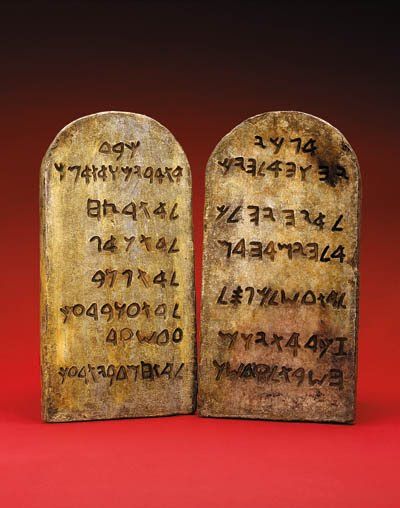
Someone asked during a Parsha Bmidbar discussion: “Why did Hashem choose to give the commandments on Sinai and not in the land of Israel?”
I have a couple of thoughts on this.

YHWH chose Sinai because Israel had to leave idolatrous Egypt before they could have an atmosphere where they could hear the Voice of God. 

Israel needed to receive the commandments before they entered the land and learned to obey. If they had entered the land in their idolatrous state they would not have followed the instruction to wipe out the inhabitants of the land–they would not have had discernment to understand what was so bad about their practices and might have chosen to join them.

Israel needed to be a Holy Nation, they needed to learn to walk with God in the wilderness before they could walk with God in the Land. Unfortunately, there is no desert in the transition from the Diaspora today. And yes, there has been a lot of learned nonsense from the nations–nonsense that comes with the baggage of Aliya to Israel.

The desert of Sinai, a place completely desolate, was a place for learning. No distractions or false teachings. Only the voice of the Eternal could be heard. 

The wilderness represents the idea that these commandments are not location bound. They are for the entire world and, no, I don’t embrace Noahide laws.

Sinai, where the Eternal Covenant was made, was a place beyond time and space. Thus the Eternal Covenant is a Mystical Covenant. The 10 commandments are not limited to several thousand years for a certain people in a certain land. They are Eternal. 

The Covenant people had to be separate from those who were not willing to embrace the covenant. This took 40 years. The Covenant was not to be trusted to those who would not follow it–notwithstanding their Jewish (Hebrew) blood. The same thing goes for today. The idea of being a descendant of the Chosen People has nothing to do with obligational entitlement to blessings. It is mandatory that we spend time at Sinai and “become” the Chosen People. 

Lev 20:26 – “And ye shall be holy unto me; for I YHWH am holy, and have separated you from the peoples to be mine.”

So the Covenant of YHWH is given in a Place outside any nation and in a time that is not time-bound. No one knows the date of the giving of the commandments, other than an approximation.  

The Shavuot holiday also is a little bit mysterious. Each year in Israel we count the Omer rather than basing the Holy Day of Shavuot upon a set calendar. The Holy Days of Pesach and then Shavuot are determined each year after the Barley is seen and the New Moon of the first month opens the door to Pesach. From the day after the Sabbath of Pesach, we count day by day to determine Shavuot. It is a personal counting. And Shavuot occurs only around the time the 10 commandments were given, which are even more mysterious as to time relativity. Shavuot requires us to follow the real signs of the Heavens plus Torah specified math calculation to determine when it falls. There can be no preset calendar. The counting is an individual application, that without it, you would miss some of the mitzvoth of Shavuot. 

Then the day of commandments, which was never specified, happens a few days or weeks later. And that is why! Because it is for all time.
Follow Take Hold the Tzitzit on WordPress.com

La Traición, Las Oraciones y ahora ¿Dónde está Dios?

Por Ariella Casey

La semana pasada, Hezbollah inició incendios en el norte de Israel con drones suicidas. Parece que quieren quemar nuestros campos y destruir nuestras cosechas. Se quemó toda una cosecha de trigo. Supongo que eso simbólicamente ataca al la fiesta de Shavuot.

¿Es este cambio una nueva estrategia para intimidarnos? Antes había bombas que caían en los campos, pero nunca hacían mucho. Así que ahora están atacando los campos y prendiéndoles fuego. ¡El gobierno amenaza nuevamente con evacuar las pequeñas ciudades! Yo digo ¿dónde pondrán a todas las personas que ya tienen más de 60.000 sin hogar? ¿Iremos todos a hoteles a costa del gobierno? ¿Cómo viviríamos? ¿Qué pasa con nuestras mascotas?

En este Shabat pasado, cuatro de nuestros rehenes fueron rescatados milagrosamente gracias a la habilidad y maniobras de ejército Israelí, quienes tuvieron el desafío de distraer a los captores mientras liberaban a los rehenes que estaban retenidos en dos edificios diferentes. Lo lograron, pero perdieron a un héroe: un oficial de las Fuerzas Especiales. ¡Que su recuerdo sea de bendición!

El país y muchas personas en todo el mundo se regocijaron con la noticia del rescate. Pero en cuestión de horas, varios funcionarios gubernamentales de alto rango renunciaron al gobierno de Israel, dejándonos completamente expuestos a la desunión y a una aparente fatalidad. La intención declarada es obligar a Israel a adoptar una solución de dos Estados y permitir que Biden y Blinken controlen el país mediante la manipulación de estos traidores. Esto es motivo de preocupación, y si no es porque la Mano de Hashem lidera y empuja hacia adelante, no habrá victoria, ¡y estaremos mucho más atrás que cuando abrimos nuestros oídos por primera vez a las noticias del 7 de octubre!

Leí el Salmo 57 esta mañana, donde David clama a YHWH pidiendo ayuda para protegerlo y guiarlo contra sus enemigos, ya sean de adentro o de afuera. David corrió de un lado a otro, escondiéndose en diferentes lugares. Reúne aspirantes a guerreros para que le ayuden en su lucha contra los ejércitos que vienen contra él. Parece que con todo esto se le pone a prueba para el puesto de liderar el país. Parece que todo, incluso salvar su propia vida, es su responsabilidad, que nadie lo observa desde arriba. Al menos eso parece.

Mi mente pasa a la historia bíblica de los tres valientes hebreos que fueron arrojados al horno de fuego en Babilonia. ¿Había alguien con ellos? ¡No lo sabían en ese momento, pero había alguien allí y salieron ilesos!

Incluso ahora nos encontramos en una situación oscura, similar. ¿Lo lograremos? ¿Derrotará Hashem a nuestros enemigos, incluso si son aquellos entre nosotros que odian la tierra de Israel lo suficiente como para hacer una alianza con nuestros enemigos? Cualquier persona sensata sabe que tenemos mucho que perder si aceptamos los “acuerdos” propuestos por la administración Biden. Parece que el Dios al que servimos de alguna manera nos anima a veces, pero tiene muy poco que ver con la guerra. Pero luego, cuando pensamos en retrospectiva, ha habido claros milagros, como cuando 350 bombas cayeron en el norte de Israel y no se destruyó nada más que un panel solar en un techo y un agujero en el suelo. Luego se produjo el accidente de helicóptero que acabó con la vida del presidente de Irán. La semana pasada se inició un incendio a causa de las bombas cerca de nuestra ciudad, llegó hasta las afueras de la ciudad pero no cruzó la carretera hacia donde están las casas. Y ahora, el rescate de cuatro de nuestros rehenes. A veces el Eterno parece muy presente en esta guerra, pero luego sucede algo y vemos que estamos condenados si no se hace algo. Que ahora el gran Dios del Cielo vea y frustre sus planes de dividir este país. Espero noticias de lo que sucederá en las próximas horas o días.

Emocionalmente, he estado oscilando entre la esperanza y el pánico, la resignación y la depresión. Intento entender la voluntad del Todopoderoso en todo esto, que Él está más interesado en el futuro de Israel que cualquiera de nosotros, y admito que ayuda recordar que Su Mano está ahí, debajo, dirigiendo y trabajando las cosas para cumplir Su Plan Divino. ¿Pero dónde encajo yo en todo esto? ¿Dónde encaja cualquiera de nosotros? Necesitamos una lupa para ver el plan de juego real.

Quizás lo único que queda es la oración, la oración sincera y sincera, ¡no las oraciones preprogramadas de las que todos estamos cansados! ¿Qué pensamos? ¿Que el Todopoderoso es una computadora y que la entrada (oración) debe decirse en momentos específicos y de una manera específica para que la computadora reconozca la entrada preprogramada? ¿No servimos a un Dios personal que se preocupa más por Su pueblo y Su tierra que cualquiera de nosotros?

El otro día escuché a alguien decir que espera ansiosamente el día en que terminen las oraciones. Me sorprendió escucharla decir esto, pero cuando lo pienso, lo entiendo. Entonces, ¿por qué rezan estas oraciones específicas? Si no vienen del corazón, entonces sus oraciones serviles se vuelven insípidas para YHWH. ¿Dónde está la oración sincera del corazón humilde y contrito? ¿Por qué murmurar un montón de palabras memorizadas en una lengua que el corazón humano no entiende a un dios que no conoces? Suena muy parecido a la esclavitud. ¿Somos realmente esclavos? ¿De nuevo? ¿Todavía necesitamos que nos saquen de Egipto? ¿Fuera de Babilonia? ¿Dónde y cuándo empezó todo esto?

Ciertamente, no pretendo tener las respuestas, pero siento que todos debemos acercarnos más al Dios del Cielo que tiene un pacto con el pueblo y la tierra de Israel. Y ya sea que lo veamos obrar o no, debemos confiar en que Él está allí, detrás de escena, determinando lo que debe suceder para separar a aquellos que no están unidos con el propósito Divino, o al menos incitarlos a unirse.

¡Que todos aguantemos con un poco más de confianza por un tiempo más, independientemente de esos detractores que nos traicionen o nos acusen falsamente!

Follow Take Hold the Tzitzit on WordPress.com

¡Favor de gustar, seguir con clic arriba, y compartir en sus grupos!

Crying “Wolf”– Prayers, and Where is God?

By Ariella Casey

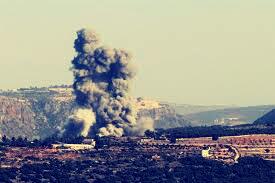
Last week, Hezbollah started fires in the North of Israel with suicide drones. It seems they want to burn our fields and destroy our crops. An entire wheat crop was burned. I guess that symbolically strikes against Shavuot and the wheat harvest. 

Hezbollah’s attack on North Israel

Is this change a new strategy to intimidate us? Before there were bombs that landed in fields but never did much. So now they are hitting the fields and setting them on fire. The government threatens to evacuate the small towns, again! I say where will they put all the people with over 60,000 already without homes? Will we all go to hotels at the government’s expense? How would we live? What about our pets? 

Continue reading

Shavuot no es Un Shabat

Observancia de Shavuot y las Fiestas

Para receta:
https://theloopywhisk.com/2021/05/12/white-chocolate-cheesecake/

Hablemos de las reglas, rabínicas o no, de guardar Yom Tov y su relación con la observancia del Shabat. Mis amigos judíos rabínicos no encenderán ninguna luz en Shabat ni en Yom Tov. Y en caso de que te lo preguntes, Yom Tov significa “un buen día” y es el nombre usado para los Días Santos que la Torá requiere como festivales para YHWH. 

¡De hecho, existen muchas reglas sobre cómo cumplir estos días!

Los judíos observantes deben abstenerse de conducir en Shabat o Yom Tov. No encienden un fuego original. Es decir, en Yom Tovs, pueden transferir un fuego pero no encender uno nuevo. No hay nada en la Torá que prohíba el uso del fuego en un festival (Yom Tov) que no sea Shabat o Yom Kipur. 

Se puede cocinar u hornear en Yom Tov, pero sólo para aquellos que comen de la comida. (Eso por cierto es bíblico). Básicamente, las reglas para Yom Tovs son casi las mismas que para los sábados, pero enfatizan que el día debe celebrarse incluso más que el Shabat. Está prohibido trabajar o ganar dinero. También está prohibido el manejo de dinero (aquí no se especifica ninguna ley). Supongamos que mi familia quisiera ir a un buen restaurante. Se nos prohibiría pagar la comida, o al menos pagar antes del día. No veo nada en la Torá que prohíba conducir un vehículo o comer en un restaurante en Yom Tov. Escribir también está prohibido porque supuestamente implica crear algo de la nada. No puedes encender la televisión pero puedes leer novelas. ¿En realidad? Además, dado que el requisito de no llevar una carga en sábado incluye ni siquiera llevar un pañuelo si no es parte de su vestimenta, ¡esta regla también se aplica a Yom Tovs! (Para verificar algunas de estas reglas que he establecido, consulte lo que dice Jabad. 

¿Cómo podemos simplificar todo esto? ¡Primero comience comparando lo que realmente dice la Torá!

Las normas en la diáspora (en cualquier lugar fuera de Israel) incluyen mantener dos días para los días santos como Rosh Hashaná, y en realidad 4 días santos para Pesaj (dos al principio y dos al final), Shemini Atzeret y Sucot también tienen 2 días cuando sólo se especifica uno. Sin embargo, y aquí la cosa se pone complicada: algunos de estos Días Santos no deben guardarse fuera de la tierra de Israel. Investiga por ti mismo. Encuentro que tanto Shavuot como Sucot son días santos de la cosecha y solo están destinados a Israel. Cada vez que la Torá dice “y cuando entres en la tierra” refiriéndose a un día santo, entonces date cuenta de que ese día santo es solo para Israel. Pero no muchos siguen esto. A veces los judíos observantes se cansan de guardar tantos días y de decir tantas oraciones específicas, para las cuales cada día santo tiene su propio libro de oraciones. ¡Ciertamente YHWH también se cansa de esto!

Echemos un vistazo a Shavuot. Aquí están los versículos de la Torá:

Lev.  23:10-22 Busca el pasaje. Nota del versículo 10: “… Cuando entréis en la tierra que yo os doy, y seguéis su mies, y llevéis la gavilla, principio de vuestra siega, al sacerdote”,

Entonces, como ven, Shavuot no debe celebrarse en su totalidad fuera de la tierra y, de hecho, hasta que no haya sacrificios y un templo, incluso en la tierra, es muy limitado.


Éxo 34:22 YLT – “`Y harás para ti una fiesta de las semanas; las primicias de la cosecha del trigo; y la fiesta de la recolección, al cambio del año.”


Deu 16:10 RVR – Y harás la fiesta de las semanas a Jehová tu Dios, como tributo de la ofrenda voluntaria de tu mano, que darás, según te bendiga Jehová tu Dios.


Deu 16:16 BLA – “‘Tres veces al año cada uno de tus varones se presentará delante de Jehová tu Dios en el lugar que él escoja: en la fiesta de los sin levadura, y en la fiesta de las semanas, y en la  fiesta de enramadas; y no se presenten vacías delante de Jehová;”


Para descubrir qué se debe hacer en Shavuot o cualquier otro día santo, lea todo Levítico 23. Puede descubrir algunas cosas interesantes que cambiarán su perspectiva. 

Básicamente debemos declarar que comer pastel de queso no es un mandamiento para Shavuot.  Por supuesto, no está prohibido, pero la tradición casi lo exige.  ¿Por qué?  La mayoría de las ramas del judaísmo, excepto los caraítas, especifican que los 10 mandamientos fueron dados en Shavuot, con lo cual no estoy de acuerdo.  En ningún lado dice eso.  De hecho, Shavuot no está conectado al sistema de meses, sino al conteo semanal del sábado de Pesaj, que también es algo que los ortodoxos han cambiado.  Dado que para ellos cualquier Día Santo es Shabat, entonces cuentan desde el día después del primer Día Santo de Pesaj, lo que explica por qué mantienen el 12 de junio de este año y los caraítas, que cuentan correctamente a partir del Shabat semanal que cae durante  Pesaj, siete semanas de días que terminan en domingo (Yom Rishon), el primer día después de 7 semanas completas.  Eso significa que celebraremos el día 16, pero comenzando al atardecer del día 15.  Es muy difícil vivir con dos sistemas de Días Santos, especialmente cuando el calendario en Israel está fijado para acomodar los días rabínicos en lugar de los días de la Torá.  Por lo tanto, todas las tiendas estarán cerradas de lunes por la noche a martes, pero abrirán en el verdadero día santo de Shavuot.  


O?

Shavuot is not a Shabbat

Shavuot and Holy Day Observance

Let’s talk about the rules, Rabbinic or not, of keeping Yom Tov’s and their relation to the observance of Shabbat. My Rabbinic Jewish friends will not turn on a light on Shabbat nor on Yom Tov. And in case you were wondering, a Yom Tov means “a good day” and is the name used for the Holy Days that are required by the Torah as festivals to YHWH. 

Picture from the Jewish Federation of New Jersey

There are indeed a lot of rules about keeping these days!

Observant Jews must refrain from driving on any Shabbat or Yom Tov. They do not light an original fire. That is, on Yom Tovs, they can transfer a fire but not light a new one. There is nothing in the Torah that prohibits the use of fire on a Festival (Yom Tov) other than Shabbat or Yom Kippur. 

Cooking or baking may be done on a Yom Tov, but only for those who eat of the meal. (That by the way is biblical). Basically the rules for Yom Tovs are almost the same as for Sabbaths, but they stress that the day must be celebrated even more than the Shabbat. Employment at a job or making any money is forbidden. The handling of money also is forbidden (No law was specified in the Torah here). Suppose my family wanted to go to a good restaurant. We would be forbidden to pay for the meal, or at least pay in advance of the day. I see nothing in the Torah that forbids driving a vehicle or eating at a restaurant on a Yom Tov. Writing is also forbidden because  it involves creating something from nothing, supposedly. You can’t turn the TV on but you can read novels. Really? Also, since the requirement to not carry a burden on the Sabbath includes not even carrying a handkerchief if it is not part of your attire, then also this rule applies to Yom Tovs! (To verify some of these rules I have stated, check out what Chabad says here. 

How can we simplify all of this? First start by comparing what the Torah really says!

Rulings in the Diaspora (anywhere outside of Israel) include keeping two days for Holy Days such as Rosh Hashanah, and actually 4 Holy days for Pesach (two at the beginning and two at the end), Shemini Atzeret and Sukkot also have 2 days when only one is specified. However, and here it gets sticky: some of these Holy Days are not to be kept outside the land of Israel. Research for yourself. I find that both Shavuot and Sukkot are harvest Holy Days and are only meant for Israel. Any time the Torah says, “and when you come into the land” referring to a Holy Day, then realize that that Holy Day is for Israel only. But not many follow this. Sometimes observant Jews get tired of keeping so many days as well as saying so many specified prayers, for which each Holy day has it’s own prayer book. Certainly, YHWH gets tired of it too!

Let us take a look at Shavuot. Here are the Torah verses:

Lev. 23:10-22 Read here. Note from verse 10: “… When ye come in unto the land which I am giving to you, and have reaped its harvest, and have brought in the sheaf, the beginning of your harvest unto the priest,”

So you see Shavuot is not to be celebrated in its entirety outside the land, and actually, until there are sacrifices and a temple, even in the land, it is very limited.

Exo 34:22 YLT – “`And a feast of weeks thou dost observe for thyself; first-fruits of wheat-harvest; and the feast of in-gathering, at the revolution of the year.”

Deu 16:10 YLT – “and thou hast made the feast of weeks to Jehovah thy God, a tribute of a free-will offering of thy hand, which thou dost give, as Jehovah thy God doth bless thee.”

Deu 16:16 YLT – “‘Three times in a year doth every one of thy males appear before Jehovah thy God in the place which He doth choose — in the feast of unleavened things, and in the feast of weeks, and in the feast of booths; and they do not appear before Jehovah empty;”

To discover what is to be done on Shavuot or any other Holy Day, please read all of Leviticus 23. You may discover some interesting things that will change your outlook. 

Basically we must admit that eating cheesecake is not a commandment for Shavuot. Of course, it is not forbidden, but the tradition comes close to requiring it. Why? Most branches of Judaism other than Karaites specify that the 10 commandments were given on Shavuot, which I take issue with. Nowhere does it say that. In fact Shavuot is not connected to the month system, rather to the weekly counting from the Sabbath of Pesach which is also something the Orthodox have changed. Since to them, any Holy Day is a Shabbat, they then count from the day after the first Holy Day of Pesach, which explains why those in Israel they are keeping from the 11th at Sundown through the 12th of June this year and Karaites, who count correctly from the weekly Shabbat that falls during Pesach, seven weeks of days ending on a Sunday (Yom Rishon) the first day after 7 full weeks. That means we will celebrate on the 16th, but beginning at Sundown on the 15th. Very difficult to live with two Holy Day systems, especially when the calendar in Israel is fixed to accommodate the Rabbinic days rather than the Torah days. So the stores will all be closed Monday night through Tuesday but open on the real Holy Day of Shavuot.  

Happy researching, my friends! What is really required and when?